
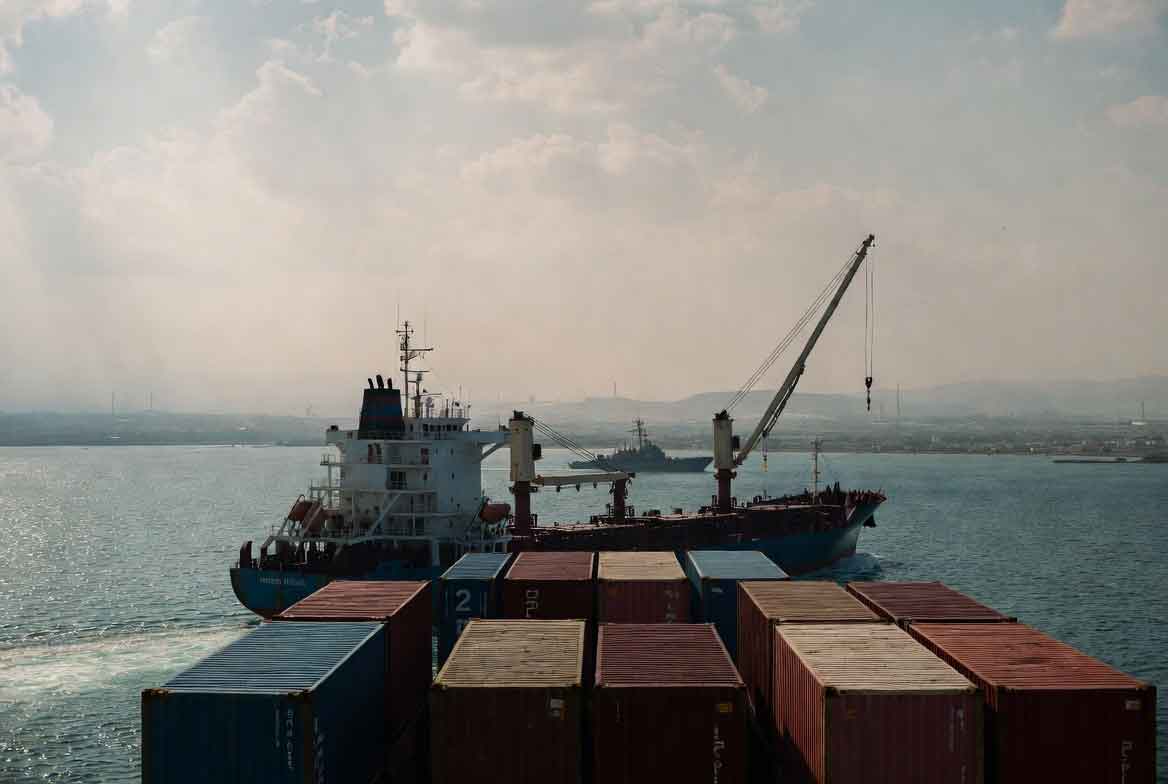

The recent attempt to collect tolls in the Strait of Hormuz has sparked widespread concern among the international community, with the United States, Great Britain, and the International Maritime Organization (IMO) rejecting the possibility of Iran imposing tolls on ships passing through the strategic waterway. The Strait of Hormuz, a vital shipping lane, has been paralyzed since the US and Israel launched attacks on Iran in late February, resulting in a significant reduction in oil and gas shipments and a subsequent surge in prices.
International reactions to the crisis
The US Secretary of State, Marco Rubio, has affirmed that Washington will not tolerate any attempt to hold international shipping lanes hostage, stating that “we cannot tolerate a system in which the Iranians decide who can use an international shipping lane and how much they have to pay to use it.” The head of the IMO, Arsenio Domínguez, has also reiterated that there is no legal basis for imposing tolls on ships traversing the area, while expressing concern over the plight of approximately 20,000 mariners and 2,000 vessels trapped in the Persian Gulf due to the dual blockade.
Security and well-being of mariners
Domínguez emphasized that the primary concern of the UN agency remains the safety and well-being of the crew members, stressing that “maritime transport and seafarers should never be used as bargaining chips in geopolitical conflicts.” He also reminded that Iran and the US are signatories to the International Convention for the Safety of Life at Sea, which underscores the importance of ensuring the security of maritime trade.
The United Nations Secretary-General, Antonio Guterres, has called for the reopening of the Strait of Hormuz, highlighting the far-reaching consequences of the blockade, including empty fuel tanks, bare shelves, and empty plates. In a social media message, he emphasized that the waterway is one of the most critical maritime chokepoints in the world, with approximately one-fifth of global oil trade, one-fifth of liquefied natural gas, and nearly one-third of internationally traded fertilizers passing through it.
In a surprising development, a Russian superyacht linked to the sanctioned billionaire Alexey Mordashov was reportedly allowed to cross the Strait of Hormuz, sparking questions about how the luxury vessel obtained permission to use the route. The incident has raised eyebrows, given Mordashov’s close ties to Russian President Vladimir Putin and the fact that the yacht is valued at over $500 million.
The attempt to collect tolls in the Strait of Hormuz has significant implications for global trade, energy security, and the well-being of mariners. As the international community continues to navigate this complex crisis, it is essential to prioritize the safety and security of maritime trade, while seeking a durable and peaceful resolution to the conflict.