
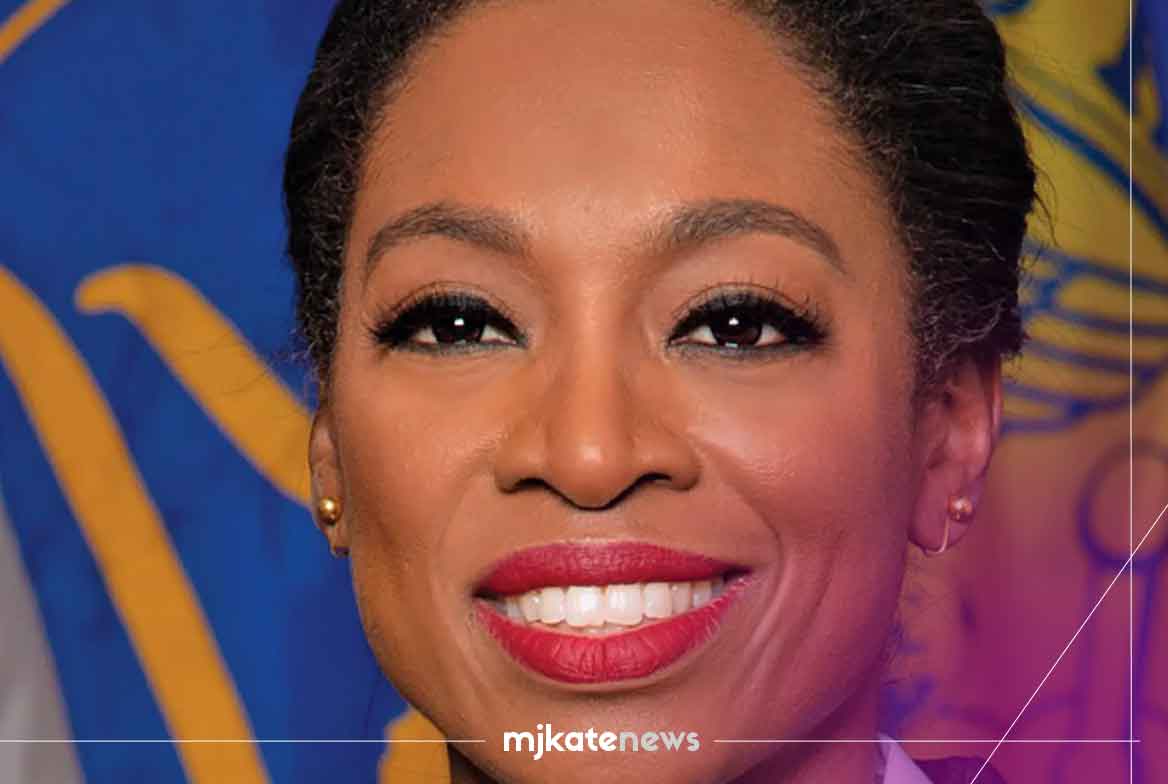

WASHINGTON, D.C. — During a contentious Senate hearing on Tuesday, Dr. Erica Schwartz, President Donald Trump’s nominee to head the Centers for Disease Control and Prevention (CDC), defended the administration’s decision to withdraw the United States from the World Health Organization (WHO) and outlined her vision for prioritizing American science and public health policies.
Schwartz, a former CDC official and longtime critic of global health governance structures, framed the U.S. exit from the WHO as a necessary step to reclaim sovereignty over public health decision-making. “The United States must lead by example in protecting its citizens and ensuring that scientific integrity remains the foundation of public health policy,” she told senators. “We cannot allow international bureaucracies to dictate our national priorities.”
The move to withdraw from the WHO, announced by the Trump administration in January 2020 and finalized last month, has drawn sharp criticism from global health experts and foreign policy analysts. Many argue that disengaging from the world’s leading public health agency during a pandemic undermines international cooperation and weakens the U.S. ability to respond to global health crises. Others, however, have praised the decision as a long-overdue rejection of what they describe as WHO overreach and undue influence from China and other powerful member states.
Schwartz, who previously served as the CDC’s deputy director under the Trump administration, emphasized that the withdrawal was not an abandonment of global health efforts but a reorientation toward “American-first science.” She argued that the U.S. should redirect resources toward domestic research initiatives and build partnerships with like-minded nations rather than relying on a multilateral framework that she described as “burdened by inefficiency and ideological bias.”
When asked about the potential consequences of the U.S. disengagement from the WHO, Schwartz acknowledged that the decision would complicate coordination on issues such as vaccine distribution and pandemic preparedness. However, she maintained that the U.S. could still play a constructive role in global health through bilateral agreements and by leading initiatives outside the WHO’s structure. “We are not turning our backs on the world,” she said. “We are turning our attention to what works best for America and our allies who share our values.”
Her nomination has also raised concerns among public health officials about the future direction of the CDC. Critics have questioned whether Schwartz’s hardline stance on global health governance aligns with the agency’s traditional role in promoting evidence-based policies and international collaboration. During the hearing, she faced tough questions from Democratic senators about her approach to issues such as climate change, health disparities, and the regulation of pharmaceutical companies.
Schwartz defended her record, stating that her focus would be on ensuring the CDC remains a “nonpartisan, science-driven institution” that serves the public interest. She pledged to protect the integrity of public health data and resist political interference in scientific research. “The CDC must be a trusted voice for Americans, and that requires maintaining independence from short-term political agendas,” she said.
The hearing concluded with a bipartisan group of senators urging Schwartz to clarify how she would balance the administration’s “America First” rhetoric with the need for global public health cooperation. While some Republicans expressed support for her nomination, others called for greater transparency about her plans for the CDC and the U.S. role in international health initiatives.
Schwartz’s confirmation hearing is expected to continue in the coming days, with final votes likely to follow. If confirmed, she would become the first CDC director in nearly a decade to face a Senate confirmation process, as the agency has operated under acting leadership since 2018. Her leadership will be closely watched as the U.S. navigates the ongoing challenges of the pandemic and prepares for future public health threats.
As the debate over the U.S. withdrawal from the WHO continues, Schwartz’s nomination represents a pivotal moment in the evolution of American public health policy. Whether her vision for a more independent, science-focused CDC can bridge the divide between national sovereignty and global cooperation remains an open question — one that will shape the future of U.S. health security for years to come.