
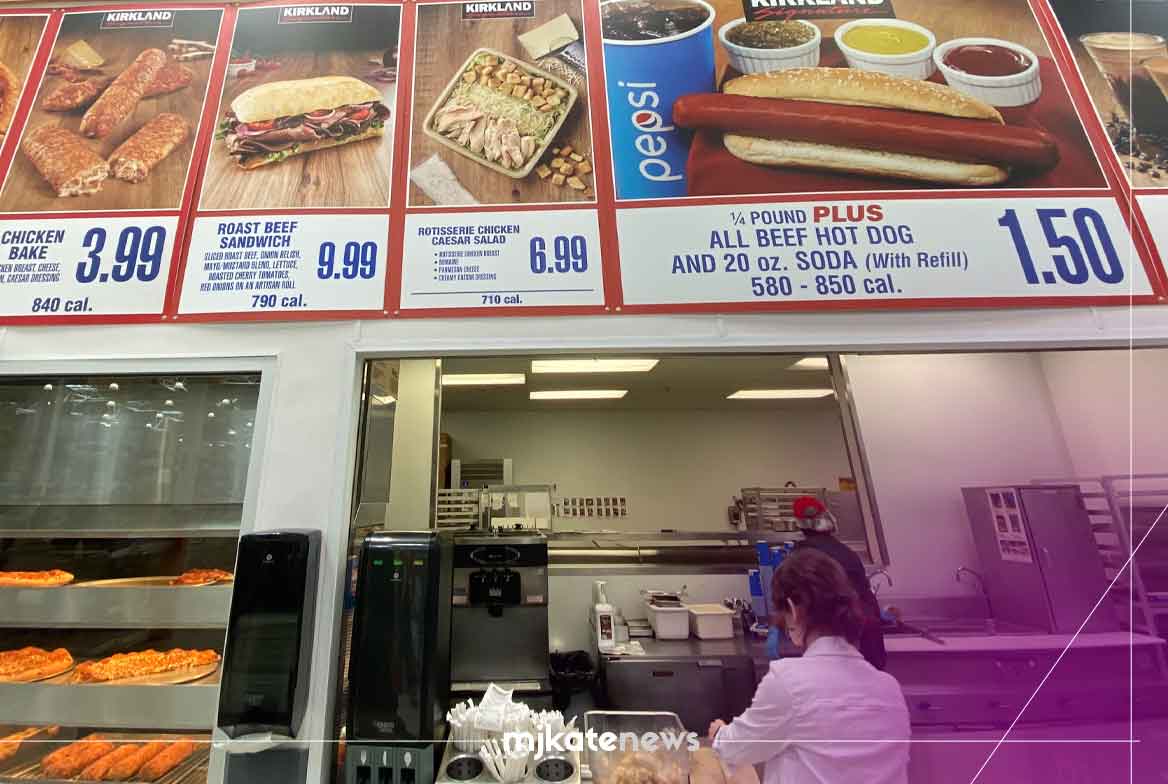

For millions of loyal members, the Costco food court is a staple of the warehouse shopping experience. The aroma of freshly baked rotisserie chickens and the sight of massive trays of hot dogs and pizza are iconic hallmarks of the retail giant’s business model. However, beneath the surface of this high-volume dining operation, a lack of standardized corporate policy regarding surplus food has sparked questions about how the company manages its leftovers.
Recent accounts from frontline employees suggest that Costco lacks a unified, public-facing protocol for handling unsold items from its food service department. While many large-scale retailers have moved toward more transparent sustainability initiatives, the reality inside Costco warehouses appears to vary significantly depending on the specific location. This inconsistency raises significant questions regarding food waste management and the company’s environmental footprint.
According to various reports from staff members working within different branches, the fate of unsold food is often left to the discretion of local management. In some locations, leftover prepared foods are reportedly donated to local charities or food banks, a practice that aligns with modern ESG (Environmental, Social, and Governance) goals. Such donations serve a dual purpose: reducing the volume of waste sent to landfills and providing essential nutrition to underserved communities in the warehouse’s vicinity.
However, the lack of a centralized mandate means that these charitable efforts are not guaranteed. Employees have indicated that in certain regions, the surplus food may simply be discarded. This lack of uniformity creates a fragmented landscape where a warehouse in one state might be a leader in community support, while a warehouse just a few hundred miles away may be contributing to the growing global issue of organic waste in landfills.
The implications of inconsistent food waste management are twofold: environmental and reputational. From an environmental standpoint, food waste is a major contributor to greenhouse gas emissions. When organic matter decomposes in a landfill, it produces methane, a potent driver of climate change. As consumer awareness regarding corporate sustainability continues to climb, shoppers are increasingly looking for brands that can demonstrate a clear, measurable commitment to reducing their ecological impact.
From a reputational perspective, the “patchwork” approach to food disposal presents a challenge for a global corporation like Costco. In an era of heightened social media scrutiny, discrepancies in how different branches handle waste can lead to accusations of “greenwashing”—the practice of making misleading claims about the environmental benefits of a company’s products or practices. If a company promotes a brand image of efficiency and community care, but fails to standardize its waste reduction efforts, it risks losing the trust of a more conscious consumer base.
Industry analysts suggest that the complexity of managing perishable goods at scale makes standardized policies difficult to implement. Food safety regulations are incredibly stringent; once a prepared item has been held for a certain period, it can no longer be legally or safely donated. Therefore, even if Costco were to implement a global donation policy, the logistics of ensuring food safety during the hand-off to third-party charities would require a massive, highly coordinated infrastructure.
As the retail landscape evolves, the pressure on warehouse clubs to formalize their sustainability metrics is mounting. While Costco has long been praised for its membership model and high-quality bulk goods, the “hidden” side of its operations—the management of the food court surplus—remains a gray area. Whether the company will eventually move toward a standardized, transparent protocol for food waste or continue to allow local managers to dictate disposal methods remains to be seen.
For now, the inconsistency remains a point of contention for employees and a curiosity for sustainability advocates. As the global conversation around food security and waste continues to intensify, the way a giant like Costco manages its leftovers could become a significant indicator of its true commitment to corporate responsibility.