
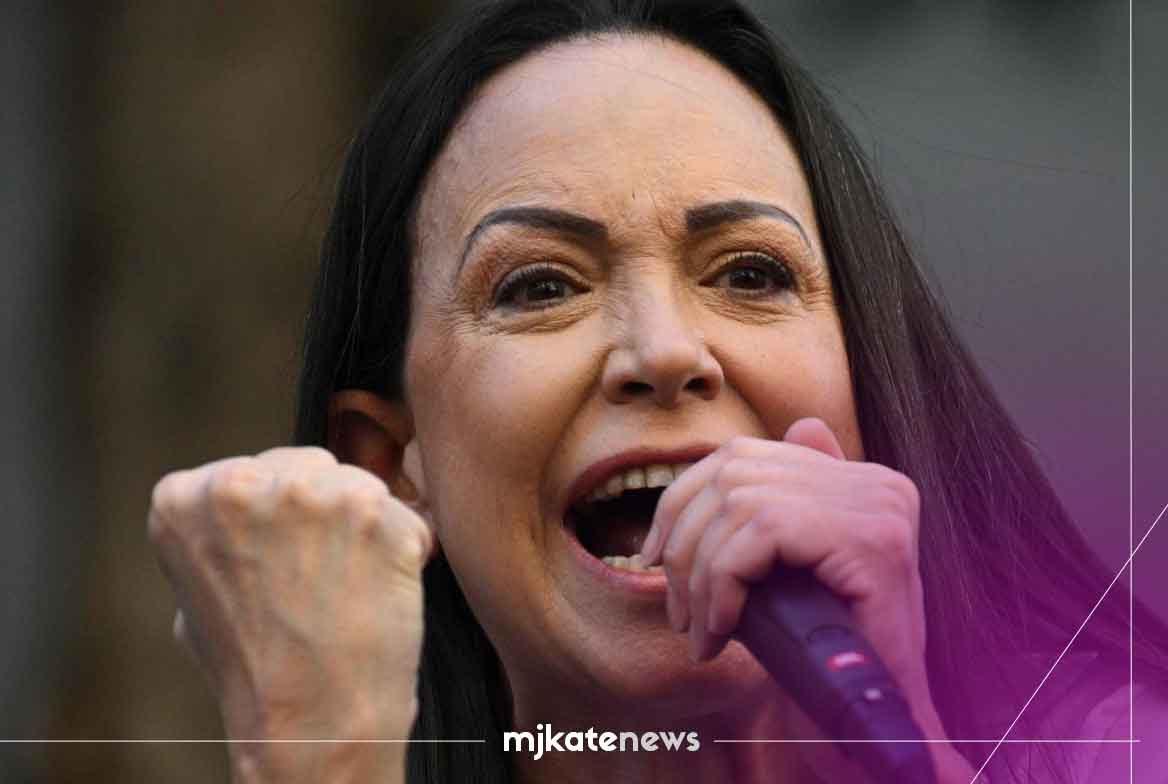

Venezuelan opposition figure María Corina Machado has reiterated her plans to return to her home country soon, while urging the international community to provide support for rebuilding democratic institutions in Venezuela. Her statements come at a critical time when the nation continues to grapple with political tensions and economic challenges that have persisted for years.
In a recent statement, Machado emphasized that natural disasters have actually strengthened the unity of Venezuelans and highlighted their collective desire for a change in government and a transition toward democratic governance. This perspective suggests that even in the face of adversity, the Venezuelan people remain committed to democratic principles and peaceful political transformation.
The former opposition leader’s commitment to returning to Venezuela carries significant implications for the country’s political landscape. Her statements indicate that despite ongoing challenges, there remains a strong opposition movement ready to pursue democratic reforms through whatever means necessary. This development could potentially shift the dynamics within Venezuela’s complex political environment.
Machado’s call for international assistance in reconstructing Venezuela’s democracy reflects the understanding that the country’s political transformation will require substantial external support. The request underscores the recognition that Venezuela’s challenges extend beyond domestic control and require coordinated international engagement to ensure a successful democratic transition.
The Venezuelan opposition’s view that natural disasters have reinforced national unity presents an interesting parallel to the country’s political situation. Just as natural catastrophes have demonstrated the resilience and solidarity of the Venezuelan people, the opposition believes these same qualities can be channeled toward building stronger democratic institutions and governance structures.
Experts note that Machado’s position reflects a broader trend among opposition leaders who are seeking to build coalitions both within Venezuela and internationally. Her emphasis on unity and democratic transition suggests a strategic approach that seeks to bridge divides within the opposition movement while simultaneously engaging with the international community.
The political situation in Venezuela has been characterized by years of economic crisis, political polarization, and limited democratic freedoms. Machado’s reaffirmation of her plans to return, coupled with her call for international support, indicates that the opposition movement continues to pursue strategies for political change despite significant obstacles.
International observers have noted that Venezuela’s democratic transition will likely require a multifaceted approach involving both domestic political processes and international engagement. Machado’s statements reflect this understanding, calling for assistance while also emphasizing the agency of Venezuelans themselves in driving democratic change.
The opposition’s framing of natural disasters as strengthening national unity offers a unique perspective on how Venezuela’s challenges might be reframed as opportunities for democratic development. This narrative suggests that shared hardships can serve as catalysts for political solidarity and democratic aspirations.
As Machado prepares for her return to Venezuela, the international community continues to monitor the situation closely. Her leadership and the opposition’s strategy will likely remain central to discussions about Venezuela’s political future and the prospects for democratic transition in the coming months and years.
The combination of Machado’s personal commitment to returning and her call for international assistance illustrates the complex interplay between domestic political dynamics and international engagement that characterizes Venezuela’s current situation. Whether her return will significantly alter the political trajectory remains to be seen, but her statements have certainly added another dimension to the ongoing conversation about Venezuela’s democratic future.
Analysts suggest that the success of any democratic transition in Venezuela will depend on multiple factors, including domestic political unity, economic stabilization, and sustained international support. Machado’s emphasis on these elements in her recent statements indicates her understanding of the multifaceted nature of Venezuela’s challenges and the comprehensive approach required to address them.
Regardless of the ultimate outcome, the opposition’s continued efforts to build coalitions both domestically and internationally represent an important component of Venezuela’s ongoing political evolution. Their persistence in calling for democratic reforms and international assistance suggests a long-term commitment to achieving meaningful political change in the country.