
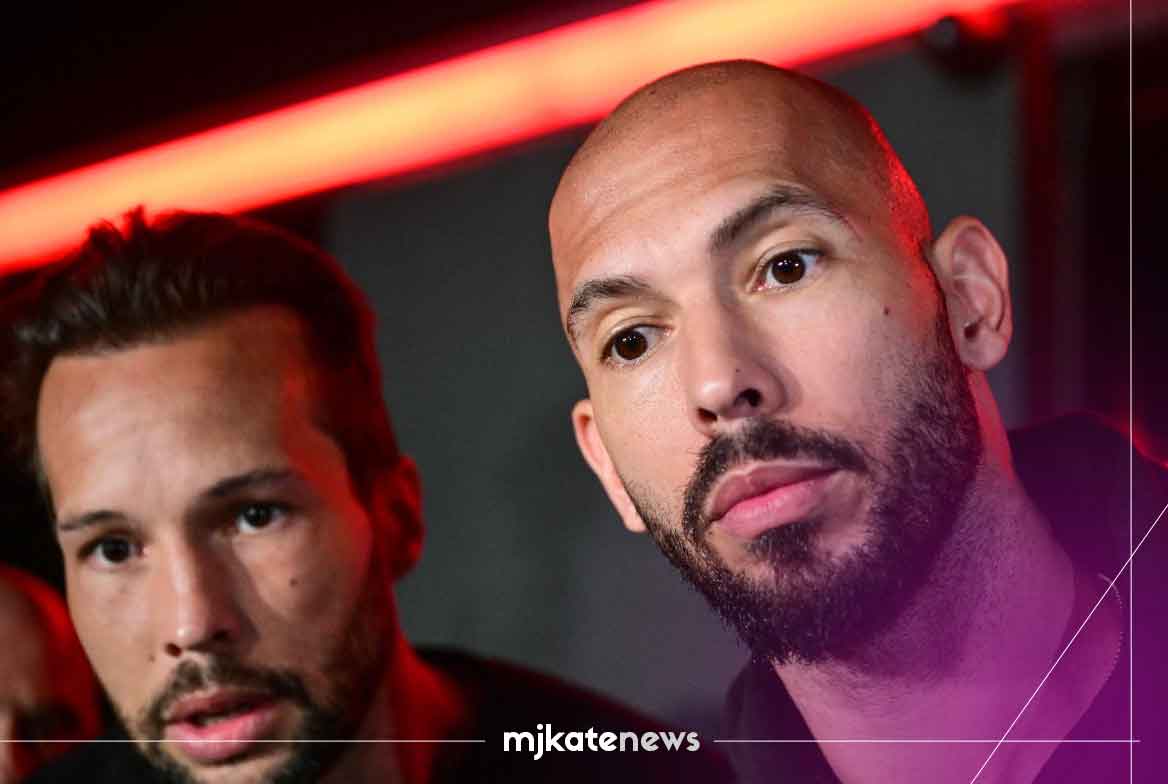

The legal troubles surrounding controversial internet personalities Andrew and Tristan Tate have escalated to a new and more severe level following their recent arrest in Miami. Law enforcement officials have taken the brothers into custody, facing a sweeping indictment that includes allegations of rape, aggravated assault, and human trafficking. The nature of these new charges marks a significant escalation in the ongoing legal battles that have defined the brothers’ public lives in recent years.
According to reports regarding the arrest, the charges brought against the Tate brothers are exceptionally grave. In addition to the primary allegations of sexual violence and human trafficking, the indictment includes counts related to the possession and distribution of indecent images involving minors and extreme pornography. This development suggests that investigators have uncovered new evidence or have expanded their scope of inquiry into the brothers’ business and personal conduct, moving beyond previous investigations into financial irregularities and sexual misconduct.
The arrest in Miami marks a pivotal moment for the brothers, who have built a massive global following through various social media platforms. Known for their polarizing rhetoric and “alpha male” lifestyle branding, the Tates have become synonymous with a specific brand of hyper-masculinity that has frequently drawn criticism from advocacy groups and law enforcement agencies alike. While their followers often view them as champions of free speech and traditional values, authorities have increasingly focused on the methods used to build their influence and the conduct of their operations.
Human trafficking, one of the core components of the new charges, is a felony that carries heavy penalties under both state and federal laws. The allegations suggest a pattern of behavior involving the exploitation of individuals for profit, a claim that aligns with the broader pattern of scrutiny the brothers have faced in other jurisdictions. Investigators are reportedly looking into whether the brothers utilized their vast digital reach to recruit or manipulate victims, a tactic that would represent a modern evolution of organized exploitation.
The inclusion of charges related to the exploitation of minors adds a particularly dark dimension to this latest legal chapter. The investigation into indecent images and extreme pornography indicates that the scope of the law enforcement probe extends into the digital footprints and private communications of the suspects. This aspect of the case is likely to be highly sensitive, involving complex forensic digital analysis to determine the origin and distribution of the material in question.
This arrest does not occur in a vacuum. The Tate brothers have been embroiled in a complex web of legal proceedings across multiple continents for several years. They have previously faced intense scrutiny in various European jurisdictions regarding allegations of racketeering and sexual assault, often fighting these battles through aggressive public relations campaigns and legal maneuvers. The transition of these legal challenges to a high-profile setting like Miami underscores the international reach of their influence and the corresponding scale of the law enforcement response.
As the legal proceedings begin, the impact on their digital empire is expected to be profound. The Tate brand relies heavily on visibility and the perception of strength and untouchability. However, the severity of these new charges—specifically those involving rape and the exploitation of minors—poses a fundamental threat to their ability to maintain their social media presence and their lucrative subscription-based content models. Many platforms have already taken steps in the past to de-platform or restrict the reach of the brothers following previous controversies.
Legal experts suggest that the prosecution will likely focus on establishing a direct link between the brothers’ business operations and the alleged criminal activities. In cases involving human trafficking and organized exploitation, the ability to prove intent and a structured hierarchy is crucial. Given the scale of the Tate brothers’ operations, the prosecution may seek to demonstrate that these were not isolated incidents but part of a coordinated effort to exploit individuals for financial gain.
As the case moves toward the courtroom, the public eye remains fixed on the outcome. The Tate brothers’ defense is expected to challenge the validity of the evidence and the legality of the investigative procedures used by authorities. For now, however, the brothers remain in custody as the judicial process begins to untangle the complex web of allegations that now define their legacy.