

ALBANY — New York City officials are proposing major changes to reduce regulatory hurdles for street and sidewalk projects, aiming to accelerate infrastructure improvements and outdoor dining expansions across the five boroughs.
The proposed reforms, spearheaded by Mayor Zohran Mamdani’s efficiency task force, would eliminate redundant reviews that have caused delays in construction projects and restaurant permit approvals. The plan is part of a broader initiative to modernize city governance and address chronic bottlenecks in public works and small business operations.
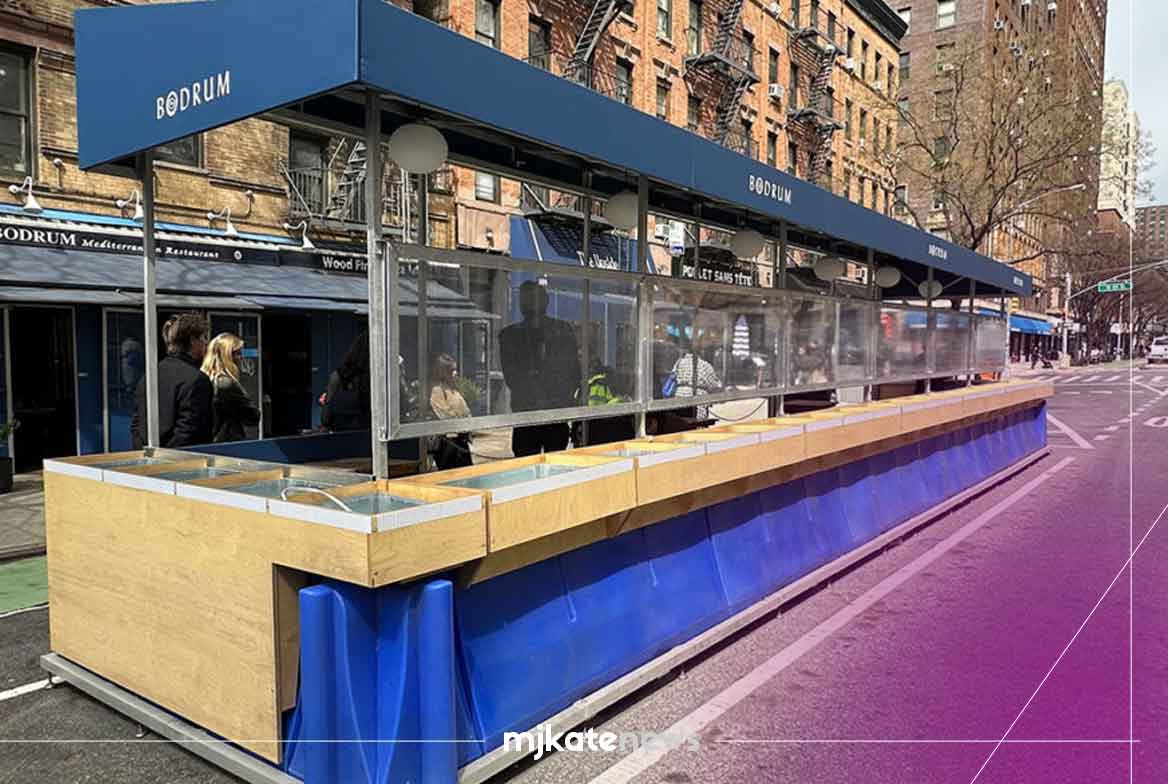
Under the proposed changes, the Department of Transportation and the Department of Health and Mental Hygiene would coordinate more closely on outdoor dining permits, which have become increasingly popular in recent years as restaurants seek to capitalize on limited indoor space and the lingering effects of pandemic-era restrictions.
“Too many New Yorkers are frustrated by the red tape that slows down improvements to our streets and sidewalks, and that keeps small business owners from opening their doors,” said a senior administration official. “Our goal is to make New York City more agile and responsive to the needs of residents and businesses alike.”
The proposed streamlining comes as the city faces mounting pressure to address aging infrastructure, particularly in transportation and pedestrian safety. Recent data shows that nearly 30% of the city’s bridges and tunnels require urgent repairs, while pedestrian fatalities have risen 18% over the past five years despite increased enforcement efforts.
Advocates for the changes argue that reducing bureaucratic delays could help the city meet its aggressive climate goals by enabling faster deployment of pedestrian-friendly infrastructure like bike lanes, wider sidewalks, and protected bus lanes. The proposed reforms could also help small restaurants recover from the financial setbacks caused by the pandemic and rising operating costs.
However, some community groups have raised concerns about potential unintended consequences, particularly around safety standards. The New York City Coalition for Safe Streets has called for a “balanced approach” that maintains essential protections while modernizing the permitting process.
“We support efforts to make the system more efficient, but we can’t sacrifice public safety for speed,” said coalition representative Maria Gonzalez. “We need to ensure that any changes don’t compromise the rigorous safety checks that protect pedestrians and cyclists.”
The proposed changes would utilize digital platforms to track permit applications in real time, create centralized review teams for related projects, and reduce the number of required approvals for certain types of sidewalk and street work. Officials estimate the reforms could cut processing times by as much as 40% for qualifying projects.
The efficiency task force has scheduled public hearings in all five boroughs to gather feedback before finalizing the proposed changes. City Comptroller Michael Gross has expressed support for the initiative, noting that faster permitting could lead to significant cost savings through reduced project overruns and labor costs.
“This isn’t just about convenience,” Gross said. “When we speed up approvals for critical infrastructure and small business operations, we’re investing in the economic vitality and quality of life for all New Yorkers.”
The proposed regulatory changes come at a pivotal moment for the city. With post-pandemic recovery efforts ongoing and climate resilience projects accelerating, officials believe that streamlining bureaucracy could be a key lever for achieving multiple policy goals simultaneously.
Transportation advocates have praised the initiative but emphasized the importance of maintaining community engagement in the planning process. The proposed reforms would include new requirements for public notification and input on major sidewalk and street projects, particularly in neighborhoods historically affected by infrastructure decisions.
“Speed shouldn’t come at the expense of transparency,” said transportation policy expert Dr. Jennifer Lee. “We need to ensure that the streamlined process still allows for meaningful community participation, especially in areas that have been disproportionately impacted by past infrastructure projects.”
As the debate continues, city officials have indicated they are prepared to move forward with pilot programs in select neighborhoods to test the effectiveness of the proposed changes. The first phase of the initiative could begin as early as next spring, with full implementation targeted for 2025.
The proposed reforms reflect a broader trend in urban governance, with cities across the country reevaluating their regulatory frameworks to adapt to changing economic and social conditions. For New York City, the stakes are particularly high given its status as a global hub for both commerce and innovation.
“This is about more than just moving faster,” said Mayor Mamdani in a statement. “It’s about moving smarter. By removing unnecessary obstacles, we can build a city that works better for everyone, from the smallest business owner to the daily commuter.”
With implementation expected to begin within the next year, all eyes will be on whether New York City can successfully balance efficiency with safety and community needs in its ambitious regulatory overhaul.