Physical Address
304 North Cardinal St.
Dorchester Center, MA 02124
Physical Address
304 North Cardinal St.
Dorchester Center, MA 02124

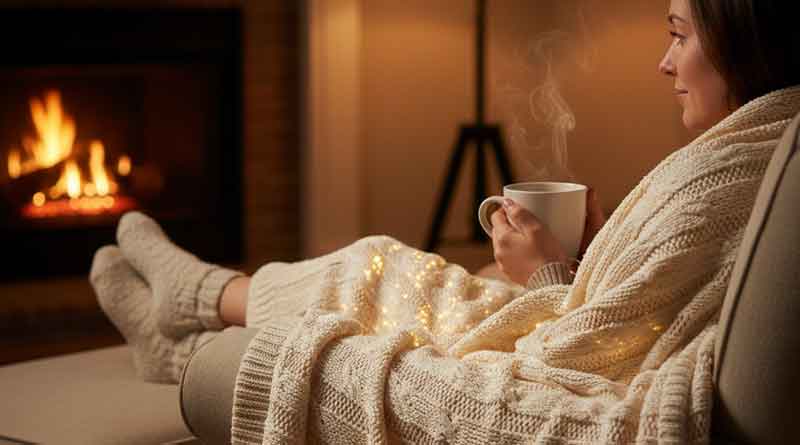
Are heated blankets safe? This question crosses the minds of millions considering these cozy companions for cold nights, chronic pain relief, or simply cutting down on heating bills. The reassuring answer is yes—modern heated blankets are remarkably safe when you choose certified products and follow basic guidelines. Unlike the electric blankets of decades past, today’s versions incorporate sophisticated safety technologies that make them one of the most reliable home comfort devices you can own. This comprehensive guide will walk you through the evolution of heated blanket safety, debunk persistent myths about cancer risks, and equip you with everything you need to confidently select and use these therapeutic warmth providers.
The heated blankets your grandparents used bear little resemblance to what’s available today. Early electric blankets from the 1940s through 1980s operated with rudimentary heating wires, minimal insulation, and virtually no fail-safe mechanisms. These vintage models consumed significantly more power and lacked the intelligent systems that prevent overheating—which understandably created legitimate safety concerns.
Fast forward to the present, and the transformation is dramatic. Modern heated blankets consume between 50 and 115 watts of electricity—roughly equivalent to a standard laptop and a fraction of what a space heater demands. This fundamental reduction in power consumption isn’t just about energy efficiency; it represents a core safety advantage. Lower wattage means less heat generation, which inherently reduces fire risk before any additional safety features even activate.
But the real revolution lies in the engineering. Today’s blankets incorporate multiple, redundant safety systems that work together as an integrated network. These aren’t single-point protections but rather layered defenses designed with the understanding that safety requires backup plans for backup plans. The result is a product category that has evolved from questionable to thoroughly dependable.
Understanding what makes your heated blanket safe transforms it from a mysterious electrical device into a trustworthy piece of engineered comfort. Here are the four critical safety technologies built into quality modern blankets.
Auto-shutoff timers represent your first line of defense against the most common user error: falling asleep with the blanket on. These programmable systems automatically power down your blanket after a preset duration, typically ranging from two to ten hours depending on your model and settings. This means even if you drift off during a movie or forget to turn off your blanket before bed, the device will shut itself down, preventing any possibility of prolonged overheating. Many newer models also feature graduated shutoff, where the blanket reduces heat incrementally before turning off completely, ensuring you don’t wake up cold.
Self-regulating heating elements, often utilizing Positive Temperature Coefficient (PTC) technology, might be the most ingenious safety feature you’ve never heard of. These specialized heating wires automatically adjust their resistance based on temperature. When a section of the blanket gets too warm, that specific area’s electrical resistance increases, naturally reducing current flow and heat output in that zone. This prevents dangerous hotspots even if the blanket bunches up or if something blocks airflow. The beauty of PTC technology is that it requires no computer control or sensors—the physics of the material itself provides the protection.
The shift to low-voltage systems operating at 12 to 24 volts represents another paradigm change in heated blanket safety. While your home electrical system runs at 120 volts (or 240 volts in some countries), modern heated blankets step this down dramatically through a transformer built into the controller. This low-voltage design means that even in the highly unlikely event of wire exposure or blanket damage, the risk of electric shock is virtually eliminated. You could theoretically touch exposed low-voltage wiring and experience nothing more than mild warmth—though you should obviously never test this in practice.
Finally, rigorous manufacturing standards and certifications provide external validation that your blanket meets strict safety criteria. Before any heated blanket reaches store shelves, it must undergo extensive testing for electrical shorts, insulation failures, and thermal runaway scenarios. Look for certification seals from recognized testing laboratories: UL (Underwriters Laboratories), ETL (Intertek), CE (European Conformity), or RoHS (Restriction of Hazardous Substances). These aren’t mere stickers—they represent hundreds of hours of stress testing and indicate that independent engineers have verified the product won’t fail under normal use conditions.
Perhaps the most persistent and anxiety-inducing myth surrounding heated blankets is the supposed cancer risk. Let’s address this directly and definitively: there is no scientific evidence linking heated blankets or heating pads to cancer. This misconception stems from a fundamental misunderstanding about radiation types.
Heated blankets emit far-infrared radiation, which is simply another term for heat. This is non-ionizing radiation—the same type emitted by your own body, a warm bath, or sunlight’s heat component. Non-ionizing radiation cannot damage DNA or cause cellular mutations. What does cause cancer is ionizing radiation like X-rays, gamma rays, and ultraviolet light, which carry enough energy to break molecular bonds. The electromagnetic spectrum is vast, and conflating these different radiation types is like confusing a flashlight with a laser cutting torch because both emit light.
In fact, the medical community recognizes therapeutic benefits from controlled heat application. Clinical studies have documented that heated blankets increase patient comfort, reduce the need for pain medication, and promote therapeutic vasodilation—the widening of blood vessels that enhances blood flow and accelerates healing. Hospitals routinely use medical-grade warming blankets for post-operative patients precisely because the benefits are well-established and the technology is considered safe even for vulnerable populations.
The confusion may also stem from vintage studies examining electromagnetic field (EMF) exposure from old electric blankets. While early research suggested possible correlations worth investigating, decades of subsequent studies have failed to establish any causal link between the low-level EMFs from electric blankets and health problems. Modern blankets, with their improved wiring and shielding, emit even lower EMF levels than their predecessors.
Even the safest product requires proper use. Following these guidelines ensures your heated blanket remains a source of comfort rather than concern.
Always inspect your blanket before each use, especially at the start of the season. Look for frayed wires, scorch marks, or damaged controllers. Run your hands along the entire surface to feel for unusual lumps or hard spots that might indicate wire damage. If you detect any damage whatsoever, replace the blanket immediately—repairs are not advisable for electrical products designed to contact your body.
Use your blanket on a flat surface and avoid folding or bunching it while in operation. Heating elements need proper airflow to dissipate heat evenly. When wires overlap due to folding, heat can concentrate in those areas, overwhelming even the best safety systems. Similarly, never place additional heavy blankets or comforters on top of an operating heated blanket, as this traps heat and creates the very conditions auto-shutoff systems are designed to prevent.
If you have pets, exercise caution. While the blanket itself poses no toxicity risk to animals, pet claws can puncture fabric and damage internal wiring. A cat kneading on your heated blanket might create microscopic perforations that compromise safety over time. Consider using a protective cover or simply keeping the blanket off when pets are on the bed.
Follow manufacturer washing instructions meticulously. Most modern heated blankets are machine-washable, but they require specific settings—typically gentle cycles with cold or lukewarm water. Never dry clean a heated blanket, as the chemicals can degrade insulation. Always ensure the blanket is completely dry before storing or using it again. Dampness and electricity make dangerous companions.
For therapeutic use targeting pain relief, limit sessions to 20 to 30 minutes at a time. This duration provides the vasodilation and muscle relaxation benefits without risking skin irritation or burns. Those with conditions affecting nerve sensation, including diabetes or peripheral neuropathy, should consult their physician before using heated blankets, as impaired sensation can prevent you from detecting excessive heat before skin damage occurs.
Armed with knowledge about what makes heated blankets safe, you’re ready to make an informed purchase. Start by verifying certifications—any blanket you consider should display at least one of the major safety certification marks mentioned earlier. If the product listing doesn’t prominently feature UL, ETL, CE, or similar credentials, keep shopping.
Prioritize models with auto-shutoff features and multiple heat settings. The ability to fine-tune your comfort level and know the blanket will power down automatically provides both convenience and peace of mind. Read reviews specifically mentioning controller quality—a well-designed controller with intuitive buttons and clear display contributes to proper use.
Consider sizing carefully. While king-sized heated blankets exist, many safety experts recommend choosing a blanket sized for one person rather than spanning an entire mattress. Individual blankets allow for personalized temperature control and reduce the total area of electrical components in your bed.
Material matters for both comfort and safety. Look for soft, breathable fabrics like micro-fleece or micro-plush that feel pleasant against skin without trapping excessive heat. The outer material should be durable enough to withstand regular washing while protecting the internal components.
Finally, check the warranty. Reputable manufacturers confident in their safety engineering typically offer warranties of three to five years. A solid warranty signals the company stands behind their product and expects it to perform safely over time.
The evidence is clear: modern heated blankets are safe, effective, and thoroughly engineered comfort devices that bear no resemblance to the primitive electric blankets that earned the category its questionable reputation decades ago. With consumption rates lower than your laptop, multiple redundant safety systems, and rigorous third-party testing, today’s certified heated blankets represent one of the most scrutinized and reliable home products available.
By choosing a certified product, following basic use guidelines, and performing simple inspections, you’re selecting a therapeutic warmth source that can provide pain relief, reduce heating costs, and deliver cozy comfort throughout cold months. The question isn’t really whether heated blankets are safe—it’s whether you’re ready to experience the worry-free warmth that modern technology has made possible.