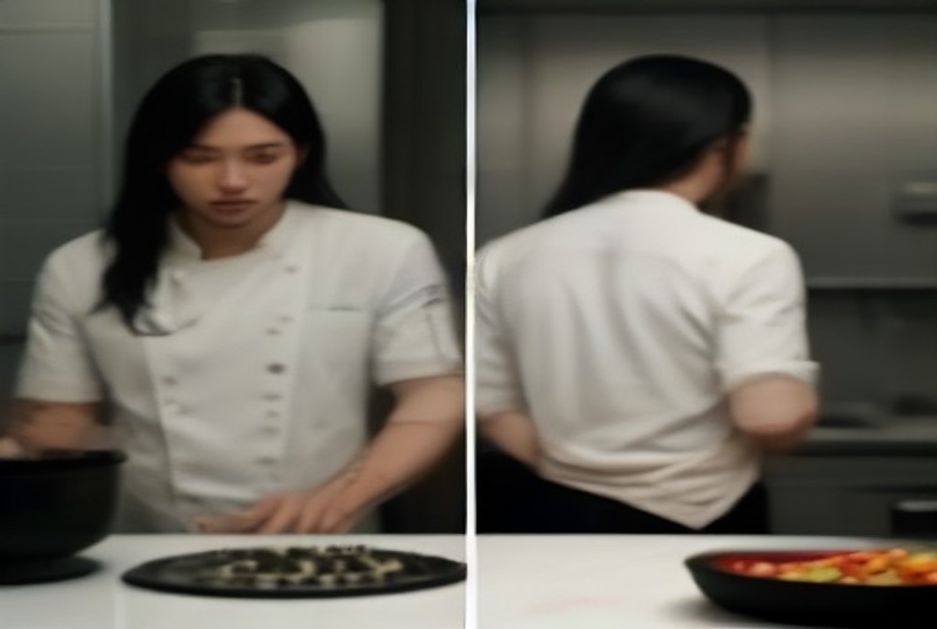

MIAMI — The debut of Chef Yisus’s first episode on Telemundo’s popular home-cooking series “En Casa con Telemundo” has sparked a heated debate among viewers, with reactions sharply divided between admiration for his energetic style and criticism of the chaotic atmosphere that emerged during the cooking segment. The controversy has ignited discussions about the balance between creativity and professionalism in televised culinary programming.
In the episode, which aired last week, Chef Yisus — known for his vibrant personality and viral cooking tutorials — attempted to prepare a traditional Cuban dish while engaging with viewers through a live-streamed format. However, the broadcast was marred by technical glitches, including a malfunctioning camera that left the kitchen in disarray, and a rushed timeline that left viewers frustrated. Social media platforms erupted with mixed opinions, with some praising his authenticity and others condemning the lack of preparation.
The backlash intensified when a video clip surfaced showing a spilled pot of rice and a chef struggling to stabilize a wobbly cutting board. Viewers on Twitter and Instagram criticized the production team for allowing the segment to proceed without proper oversight. “It’s one thing to be spontaneous, but this was just sloppy,” wrote one user. Others, however, defended the chef, arguing that the show’s informal tone was part of its charm. “I’ve seen worse in my own kitchen,” another viewer tweeted, adding that the episode felt “relatable” despite its flaws.
Telemundo has not yet issued an official statement, but insiders suggest the network is reviewing the episode’s production process. A source close to the show noted that the segment was filmed in a single take, a decision made to maintain the “authentic, unscripted” vibe that the program is known for. However, this approach has drawn scrutiny from industry experts who argue that live cooking shows require stricter logistical planning to avoid technical and culinary mishaps.
Chef Yisus, whose real name is José Méndez, has built a loyal following through his YouTube channel and social media presence, where he often shares quick, budget-friendly recipes. His transition to television has been highly anticipated, but the negative feedback has raised questions about his readiness for the spotlight. “I’m not perfect, but I’m passionate,” Méndez said in a brief interview with a local outlet. “This is just part of the journey.”
Despite the criticism, the episode’s viewership numbers suggest a strong audience interest. According to Telemundo’s internal metrics, the segment reached over 2 million viewers, surpassing the average for similar shows in the same time slot. This indicates that while some viewers are dissatisfied, the chef’s unique style continues to resonate with a broad demographic. The network may be weighing whether to address the backlash publicly or maintain its current strategy of prioritizing spontaneity over polished execution.
The controversy also highlights broader trends in the culinary entertainment industry, where audiences increasingly demand both authenticity and professionalism. Shows like “Chopped” and “MasterChef” have set high standards for technical precision, while newer platforms like TikTok and Instagram prioritize raw, unfiltered content. Chef Yisus’s approach seems to straddle this divide, appealing to viewers who crave a more personal connection with their favorite chefs. However, the incident has sparked a debate about the responsibilities of influencers when transitioning to traditional media.
Industry analysts suggest that the episode’s mixed reception could serve as a learning opportunity for both the chef and the network. “There’s a fine line between being relatable and being unprofessional,” said Maria Gonzalez, a media consultant specializing in food programming. “If the show wants to maintain its casual tone, it needs to invest in better production support. If it wants to compete with established cooking shows, it has to raise the bar.”
For now, Chef Yisus remains undeterred. His team has announced plans to address viewer concerns in upcoming episodes, including a segment on kitchen safety and a behind-the-scenes look at the production process. Whether these efforts will restore his reputation remains to be seen, but one thing is clear: the chef’s ability to spark conversation — even when it’s contentious — has solidified his place in the evolving landscape of culinary television.