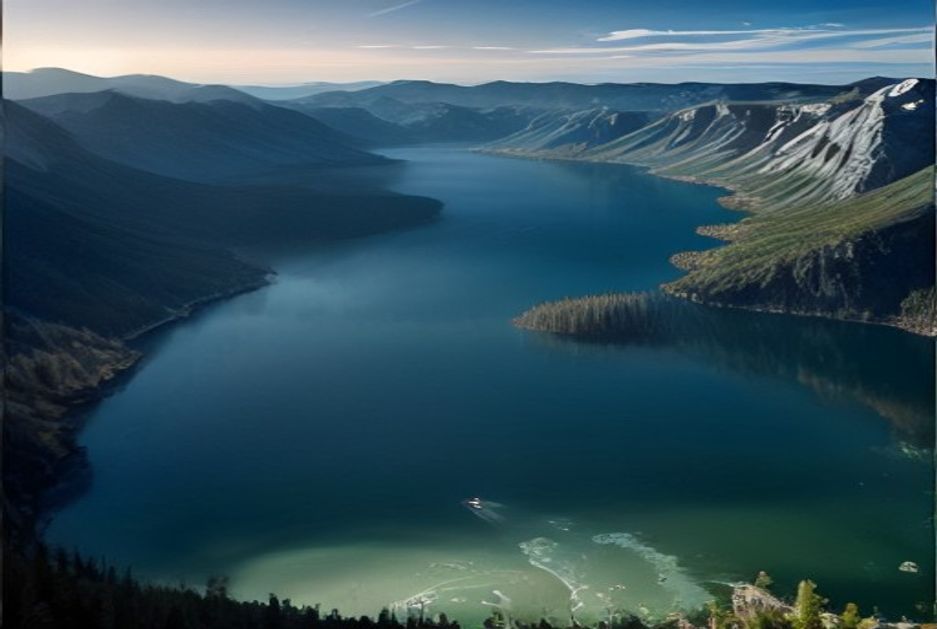

A quiet cartographic shift on Google Maps has erupted into a cross-border controversy, underscoring how digital mapping platforms can become flashpoints in geopolitical discourse. In recent weeks, searches for the large body of water between New York State and the Canadian province of Ontario have returned the name “Lake America” within United States-based results, replacing the historically recognized designation of Lake Ontario. The change, which does not appear in Canadian versions of the service, has drawn sharp criticism from Canadian officials and citizens alike, many of whom view the renaming as a politically motivated erasure of Indigenous and colonial history.
The renaming appears to stem from a broader initiative aligned with the policies promoted during the administration of former U.S. President Donald Trump, who frequently advocated for what he described as a restoration of “traditional American names” across public and cultural institutions. While Google has not issued a detailed public explanation for the specific case of Lake Ontario, internal documents leaked to several news outlets suggest that the company consulted with U.S. government historians and regional stakeholders before implementing the change in its American-facing interface.
Canadian Prime Minister’s Office responded swiftly, with a spokesperson emphasizing that Lake Ontario carries deep cultural significance for First Nations communities, including the Haudenosaunee Confederacy, whose oral traditions and territorial mappings reference the lake by names that predate European colonization by centuries. “The waters known to Indigenous peoples as *Karenni* or *Gananoque* are part of our shared heritage, and any attempt to unilaterally rename such landmarks diminishes the rich tapestry of our collective history,” the statement read.
The backlash intensified on social media, where Canadian users shared screenshots of the altered labeling and expressed disbelief at the apparent lack of consultation. Hashtags such as #SaveLakeOntario and #MapsAreNotPolitics trended north of the border for several days, drawing responses from academics, artists, and even local tourism boards who warned that the rebranding could confuse visitors and harm regional identity.
Cartography experts note that while mapmakers have long grappled with the challenge of representing politically sensitive or contested place names, the influence of major tech companies like Google has elevated these decisions to matters of international concern. “When a single corporation controls how billions of people perceive geography, every label becomes a statement,” said Dr. Elena Vasquez, a professor of digital geography at the University of Toronto. “Renaming a landmark without input from affected communities isn’t just inaccurate—it’s disrespectful.”
Google’s parent company, Alphabet, has faced mounting pressure to reverse the decision. A petition calling for the restoration of “Lake Ontario” garnered over 200,000 signatures within its first week, while the Canadian government reportedly summoned the U.S. ambassador to discuss the matter. Diplomatic sources indicate that talks are underway between Ottawa and Washington to address what Canadian officials described as “an unnecessary source of friction.”
In a brief statement released late Thursday, Google acknowledged the concerns raised and said it was reviewing the naming convention in coordination with its global content policies team. “We recognize that place names carry profound meaning and reflect the lived experiences of communities around the world,” the company wrote. “Our goal is to provide accurate and respectful information, and we are actively evaluating this change to ensure alignment with those values.”
The incident highlights ongoing tensions surrounding the power of technology firms to shape public understanding of geography and history. As digital maps increasingly serve as the primary navigational tool for travelers, activists, and researchers, questions about editorial oversight and cultural sensitivity continue to grow. For now, users in both countries are left to navigate not just physical landscapes, but also the complex terrain of digital diplomacy.
Industry analysts predict that the fallout may prompt renewed calls for international guidelines governing how multinational corporations manage geographic data. Whether Google will restore the original name remains uncertain, but the episode has already cemented its place as a cautionary tale about the intersection of technology, politics, and identity in the modern age.