

The already tense relationship between Canada and the United States has descended further into open ridicule after Ontario Premier Doug Ford took to social media to mock a reported proposal by U.S. President Donald Trump to rename Lake Ontario as “Lake America.” Ford’s response, posted across his official accounts and quickly amplified by Canadian officials and citizens alike, declared in both English and French that the great lake would remain “Lake Ontario — now and forever.”
The episode marks yet another flashpoint in a trade and diplomatic dispute that has escalated steadily over the course of the year, with tariffs, territorial rhetoric, and public posturing replacing what had historically been one of the most stable bilateral relationships in the Western Hemisphere. Ford’s defiant slogan touched a nerve not only with those watching the Canada-U.S. relationship but also with residents of border communities who have watched the deterioration unfold in real time.
According to the statement shared by Ford’s office, the Premier chose to respond publicly and theatrically because he believed Canadians needed to see their leaders standing firm against what he characterized as repeated attempts to undermine Canadian sovereignty and identity. The use of both English and French was deliberate, he said, given that Ontario is officially a bilingual province and that Lake Ontario itself forms part of the border that defines the linguistic and cultural divide between English-speaking Canada and the United States.
Lake Ontario, the easternmost of the five Great Lakes, has carried its current name for centuries. The designation derives from the Iroquoian word “ontari:io,” meaning “beautiful lake” or “great lake,” and the body of water has long been a shared resource between Canada and the United States. Communities on both sides of the border rely on it for drinking water, commercial shipping, and recreation. The idea of unilaterally renaming such a prominent geographic feature, which straddles the international boundary, was widely viewed in Canada as not only absurd but also emblematic of a broader American posture toward its northern neighbor.
The Trump administration’s reported proposal to rebrand the lake appears to fit within a pattern of increasingly aggressive rhetoric directed at Canada. Over the past year, the U.S. President has suggested that Canada could become the “51st state,” floated the idea of acquiring Canadian territory through economic pressure, and imposed a series of tariffs on Canadian goods that have drawn retaliatory measures from Ottawa. The renaming proposal, while more symbolic than substantive, struck many Canadians as a further provocation that warranted a public response.
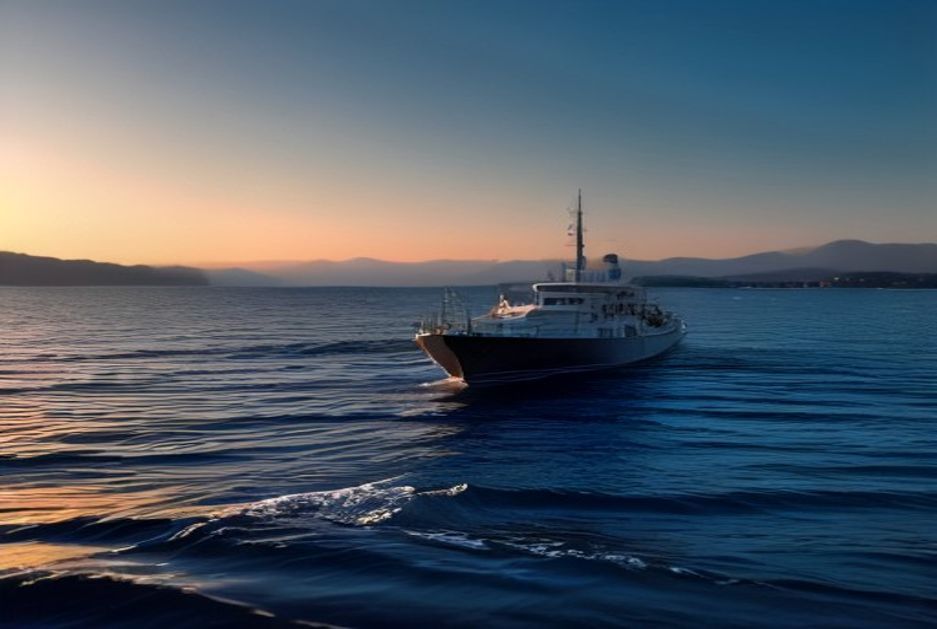
Ford, who leads the Progressive Conservative Party of Ontario and has positioned himself as one of the most vocal defenders of Canadian interests during the ongoing dispute, has not shied away from confrontational language. His social media post was accompanied by imagery of the lakeshore and a tone that blended humor and defiance. Within hours, the phrase “Lake Ontario, now and forever” had been adopted by users across platforms, turned into memes, and printed on merchandise by enterprising Canadians eager to express their displeasure.
Political analysts noted that Ford’s choice to mock the proposal rather than ignore it reflects a calculated strategy. By leaning into humor, Canadian leaders have been able to galvanize domestic support while avoiding the appearance of overreacting to what many believe is a deliberate provocation designed to test Canadian resolve. The response also serves to underline a growing sense of national unity in Canada, where opposition to U.S. pressure has united figures across the political spectrum, from the federal government in Ottawa to provincial leaders like Ford.
Canadian federal officials have not publicly confirmed whether they lodged any formal diplomatic complaint regarding the renaming suggestion. However, sources familiar with bilateral discussions have indicated that the matter was raised in private communications. U.S. officials, for their part, have been characteristically opaque about whether the proposal was ever an official policy or merely an offhand remark that nonetheless captured international attention.
The Great Lakes themselves have been a point of cooperation and occasional tension between the two countries for generations. Various binational bodies oversee water quality, fisheries management, and navigational rights on the lakes. Renaming one of them, even symbolically, would have no legal force and would not alter any of the treaties or agreements that govern their shared use. Nonetheless, the symbolic weight of geographic naming cannot be underestimated, and Canadian leaders appear determined to make clear that the sovereignty and identity embedded in the names of these shared landscapes will not be casually erased.
As the trade war continues and diplomatic ties remain strained, the “Lake America” episode is likely to be remembered as a moment when humor served a serious purpose. For many Canadians, Ford’s quip was not merely a joke but a declaration that the country’s symbols, including the names of the great lakes that have defined its geography and history, are not up for negotiation.