
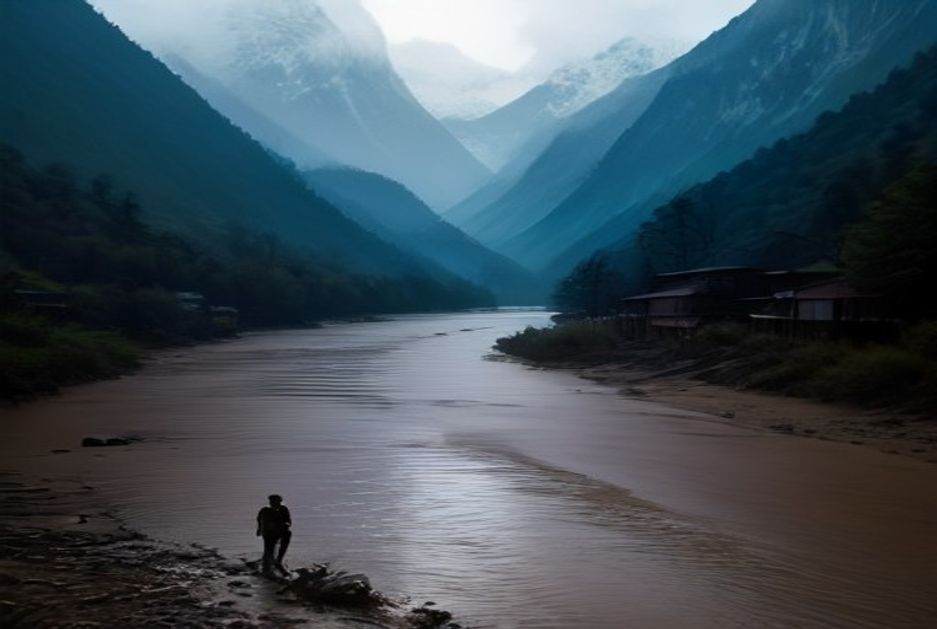

Rescue teams in Nepal are racing against time to locate at least three American tourists who remain missing following severe flooding that has swept through popular trekking areas in the Himalayan nation. The incident has cast a spotlight on the dangers facing foreign visitors in Nepal during the annual monsoon season, when heavy rains trigger deadly landslides and flash floods across the mountainous terrain.
Nepal’s Tourism Board confirmed that rescue operations are underway, with teams working to verify the whereabouts of the missing Americans while assessing the overall security situation for travelers in affected regions. The flooding has disrupted travel throughout several districts, stranding other tourists and damaging infrastructure along some of Nepal’s most famous trekking routes.
The disappeared Americans were reportedly traveling in areas that experienced the brunt of the flooding, which authorities say was intensified by weeks of relentless monsoon rains. Villages along rivers and in valley bottoms bore the worst impact, with floodwaters rushing through narrow gorges and engulfing entire communities with little warning.
Nepal experiences annual monsoon flooding that claims dozens of lives each year, but the scale of destruction varies significantly depending on rainfall intensity and geographical factors. This year’s flooding has been particularly severe in certain regions, with rivers swelling to dangerous levels and washing away bridges, trails, and entire settlements.
Foreign tourists frequently venture into Nepal’s remote regions during the post-monsoon months, drawn by the promise of spectacular mountain views and cultural experiences in traditional villages. The trekking industry is a vital component of Nepal’s economy, generating hundreds of millions of dollars annually and providing livelihoods for hundreds of thousands of people across the country.
However, the combination of inaccessible terrain, limited communication infrastructure in remote areas, and the unpredictable nature of mountain weather creates significant challenges when emergencies occur. Rescue operations often require coordination between Nepalese army units, local police, and international assistance in severe cases.
The U.S. Embassy in Kathmandu has indicated it is monitoring the situation closely and stands ready to provide consular assistance to the families of the missing Americans. Embassy officials have urged all U.S. citizens in affected areas to register with the embassy and follow guidance from local authorities.
Nepal’s tourism ministry has temporarily suspended access to certain trekking routes while rescue and recovery operations continue. Officials have also called for greater emphasis on safety protocols for tour operators, particularly those guiding foreigners through areas prone to flooding and landslides.
The incident serves as a sobering reminder of the risks inherent in exploring Nepal’s wild landscapes. While the country’s mountains and trails offer unparalleled experiences for adventurous travelers, the same geographical features that make Nepal spectacular also create conditions for natural disasters with little margin for error.
Meteorologists have noted that climate patterns appear to be intensifying monsoon extremes across South Asia, potentially making such flooding events more frequent and severe in coming years. Nepal’s government has faced increasing calls to improve early warning systems and emergency response capabilities, particularly in remote areas popular with international tourists.
Local communities in affected areas have joined rescue efforts, with residents using boats and whatever resources available to search for survivors and assess damage to their villages. The flooding has destroyed homes, crops, and livestock, compounding the difficulties faced by families already struggling with the economic aftermath of the pandemic.
Authorities have established temporary shelters for displaced residents and stranded travelers, though access remains difficult due to damaged roads and ongoing concerns about additional landslides. Medical teams have been deployed to treat injuries sustained during the flooding, and aid organizations are mobilizing resources to provide essential supplies.
For many of Nepal’s rural communities, the flooding represents not only an immediate humanitarian crisis but also a long-term setback to development progress. Roads, schools, and health facilities damaged by the floods will require significant investment to rebuild, and the disruption to tourism could have lasting economic consequences for families who depend on trekkers for income.
As rescue operations continue, officials have not yet provided a timeline for when they expect to have confirmation of the missing Americans’ status. The challenging terrain and ongoing risks of additional flooding have complicated search efforts, though authorities have expressed determination to continue until all missing persons are accounted for.