
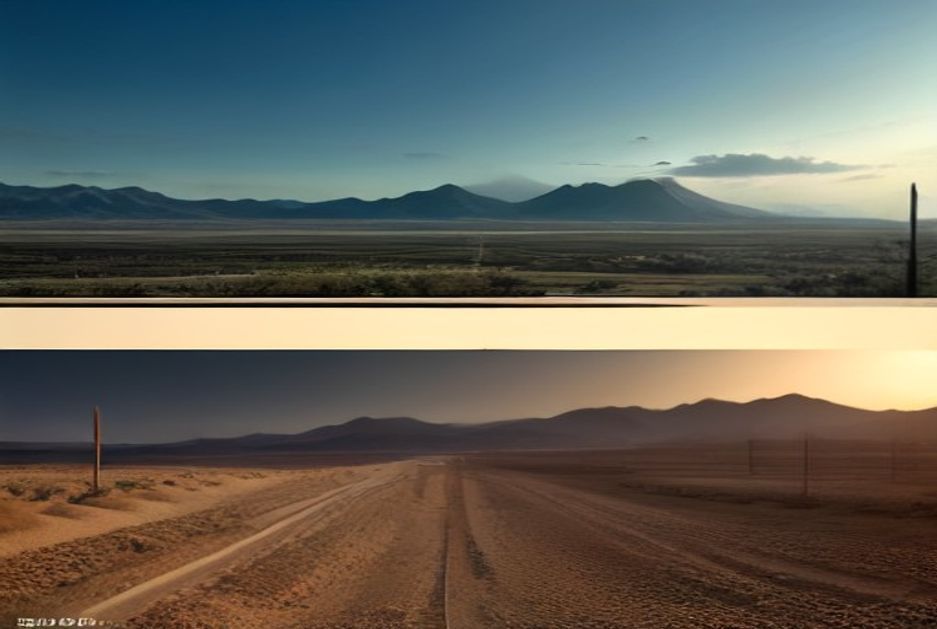

The United States government is moving forward with plans to extend the existing border barrier infrastructure in southern Arizona, specifically targeting a stretch of frontier that authorities say has become a major corridor for illegal border crossings and smuggling operations. The initiative, known as Project Tucson 5, represents the latest chapter in a decades-long effort to secure the porous boundary between the United States and Mexico.
According to information emerging from border enforcement agencies, the project aims to close a critical gap in the barrier system near the Tucson sector, an area that has historically seen some of the highest volumes of unauthorized migration and drug trafficking activity along the southwest frontier. Officials have argued that completing this section of physical barrier is essential to regaining operational control of the border in the region.
However, the advancement of the project has reignited tensions with indigenous communities whose ancestral territories and cultural sites lie in the proposed construction zones. Native American tribes, particularly those with members and lands straddling the international boundary, have voiced strong opposition to the barrier expansion, warning of devastating consequences for their communities, traditional practices, and sacred sites.
The Tohono O’odham Nation, whose reservation spans approximately 2.8 million acres and bisects the border region, has been among the most vocal critics of increased border fortifications. Tribal leaders have argued that the barriers do little to address the root causes of migration and drug trafficking while simultaneously fragmenting wildlife corridors, disrupting traditional ceremonial routes, and dividing families who have crossed the boundary freely for generations before modern fencing existed.
Border security proponents counter that physical barriers, when combined with technology and personnel, provide essential detection capabilities and act as a deterrent to opportunistic crossing attempts. They point to statistics suggesting that areas where barriers have been completed experience significant reductions in successful illegal entries. Supporters of the Tucson 5 project argue that the corridor targeted by the expansion has been particularly problematic, with smuggling organizations exploiting the gap to move narcotics and human cargo into the United States.
The legal landscape surrounding border wall construction remains complex, with various provisions, court orders, and environmental regulations creating a patchwork of requirements that project managers must navigate. Previous administrations have encountered lawsuits from environmental groups, private landowners, and indigenous nations challenging the authority to construct barriers without comprehensive environmental impact assessments or proper consultation with affected tribes.
Environmental advocates have also raised concerns about the ecological consequences of barrier construction in the Sonoran Desert region, which supports a diverse array of species, many of which are already threatened or endangered. The desert landscape presents unique construction challenges, and critics argue that the environmental disruption caused by heavy equipment and permanent infrastructure outweighs any security benefits.
The Tucson sector has long been considered one of the most challenging regions for border enforcement. Its rugged terrain, extreme temperatures, and vast expanses of remote desert have historically made surveillance and patrol difficult. Despite significant investments in surveillance technology and additional personnel over the years, the area continues to attract those attempting to cross illegally.
Indigenous communities in the region have proposed alternative approaches to border security that emphasize cooperation, community policing, and addressing the economic and violence-related factors that drive migration. They argue that their expertise in land management and understanding of the border region’s dynamics could contribute to more effective and less destructive security strategies.
As construction equipment begins mobilizing for the Tucson 5 project, tribal leaders have indicated they will continue their advocacy through legal channels and public awareness campaigns. The conflict highlights the ongoing tension between national security priorities and the rights and concerns of communities whose lives are directly affected by border enforcement policies.
The outcome of this particular project may set precedents for how similar disputes are handled in the future, particularly regarding the balance between barrier construction and indigenous rights. Both sides acknowledge that the underlying issues driving illegal border crossings and trafficking remain unsolved, raising questions about whether physical barriers alone can achieve the comprehensive border security that officials have promised.
The debate over the Tucson 5 project reflects broader national conversations about immigration policy, border security effectiveness, and the treatment of indigenous peoples whose historical presence in border regions predates the existence of either nation-state by centuries. As construction progresses, the human and cultural costs of the barrier will continue to weigh against arguments for enhanced security measures.




