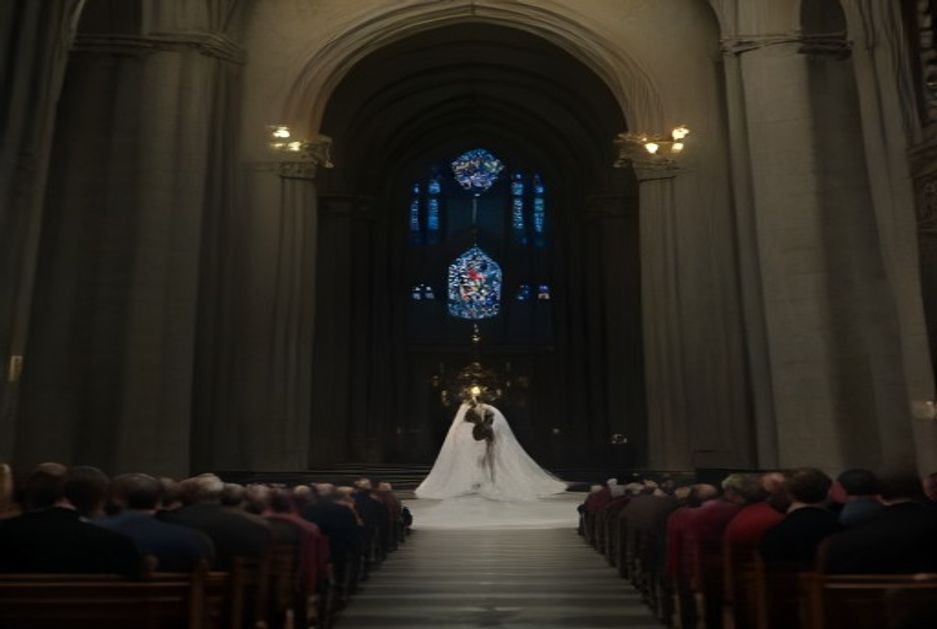

The streets surrounding the Funchal Cathedral in Madeira were transformed into a scene of unexpected fervor this week as hundreds of fans descended upon the historic site. The sudden influx of supporters was driven by swirling rumors and social media speculation suggesting that football icon Cristiano Ronaldo was set to exchange vows in a high-profile ceremony at the landmark cathedral.
For hours, onlookers and devotees gathered near the religious site, many hoping to catch a glimpse of the Portuguese superstar or his partner, Georgina Rodríguez. The atmosphere was one of anticipation and excitement, as fans from across the globe seemed to act on unverified reports that a private ceremony was imminent. However, as the day progressed, it became increasingly clear that the anticipated nuptials were nothing more than a digital phantom.
Despite the massive turnout and the logistical challenges posed by the crowds, neither Cristiano Ronaldo nor Georgina Rodríguez has issued any official confirmation regarding a wedding date or location. The lack of formal communication from the athlete’s representatives has left fans and onlookers in a state of confusion, highlighting the complex relationship between celebrity culture and the rapid spread of misinformation in the social media age.
The phenomenon of “fake news” regarding the private lives of global icons like Ronaldo has become a recurring challenge for the star’s inner circle. Ronaldo, who has built a massive digital footprint with one of the highest follower counts on Instagram, is a constant subject of speculation. Every movement, social media post, or even a coincidental sighting in a specific city can be weaponized by speculative outlets to generate clicks, often leading to large-scale public gatherings based on falsehoods.
For the residents of Funchal, the sudden surge of tourists has been a double-edged sword. While the influx of visitors provides a significant boost to local businesses, the sudden, uncoordinated movement of crowds toward the cathedral can create tension with local authorities and disrupt the solemnity of the religious site. The cathedral, a symbol of Madeiran heritage, is not typically equipped to handle the sudden, spontaneous gatherings of hundreds of people motivated by unconfirmed celebrity gossip.
The situation in Madeira serves as a stark reminder of the power of digital rumors to manifest into physical reality. In an era where a single viral post can trigger a localized phenomenon, the line between celebrity news and urban disruption has become increasingly blurred. For the fans who traveled to Funchal, the experience was a mixture of disappointment and awe, as the reality of the situation failed to meet the digital hype.
As of now, the status of Ronaldo and Rodríguez’s relationship remains a matter of private business. While the couple is frequently seen together and has shared much of their lives with the public, they have remained notably tight-lipped regarding the specifics of a formal marriage ceremony. This strategic privacy, while common among the elite, often creates a vacuum that is quickly filled by speculation and unfounded rumors.
As the crowds slowly disperse from the streets of Funchal, the incident leaves behind a lingering question about the responsibility of social media platforms and news outlets in managing the flow of information regarding public figures. Until an official announcement is made by the athlete himself, the bells of the Funchal Cathedral will continue to ring without the fanfare of a royal-style wedding, leaving the fans to wait for a truth that has yet to be officially told.