
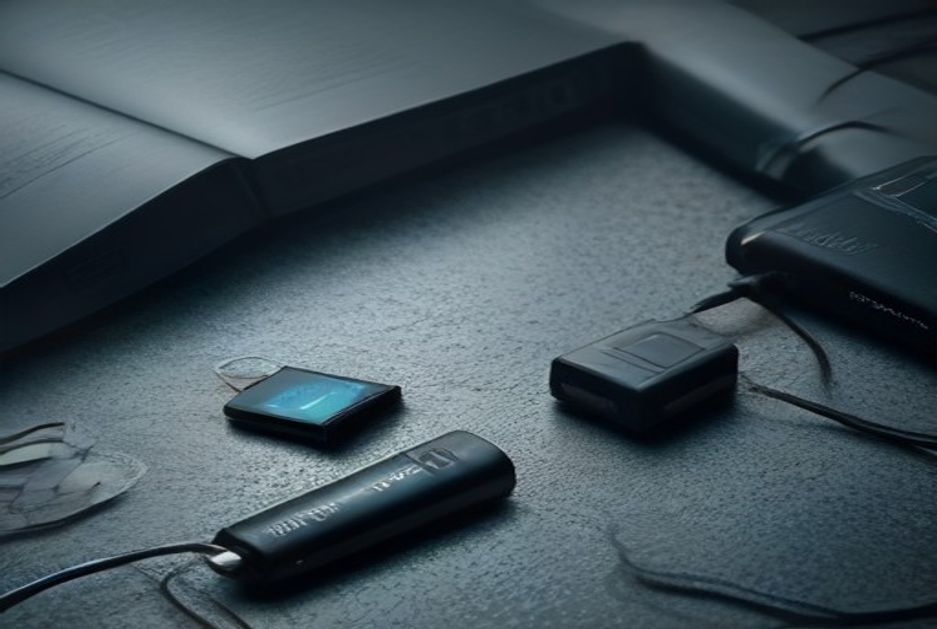

When shoppers browse the aisle of portable chargers, the first figure that usually catches the eye is the mAh rating, a measure of total energy storage. While capacity is certainly important for determining how many full charges a device can provide, it tells only part of the story. A power bank with a high mAh but limited output may leave users waiting longer than necessary for their phones or tablets to reach a usable level, especially when the connected device supports faster charging technologies. Understanding the role of USB Power Delivery becomes essential because it defines how quickly energy can be transferred from the bank to the device, shaping the overall charging experience.
USB Power Delivery, often abbreviated as PD, is a universal charging protocol developed by the USB Implementers Forum that allows power to be negotiated between the source and the sink. Unlike older standards that fixed the voltage and current at set levels, PD can dynamically adjust voltage and current to match what the device requires, delivering higher wattage when possible. This flexibility means a single charger can handle a smartphone, a tablet, or even a laptop, provided the hardware supports the appropriate PD profile. The protocol also supports bidirectional flow, enabling devices to charge each other, which adds versatility beyond simple one‑way power transfer.
The real impact of PD shows up in the speed at which a device can draw energy. A power bank that can supply 18 watts will charge a typical phone much faster than one limited to 5 watts, even if both have the same mAh capacity. Higher wattage reduces the time needed to move from a low battery state to a fully charged condition, which is especially valuable when time is limited. Moreover, PD enables devices to charge at their optimal rate without overheating, as the protocol continuously monitors temperature and adjusts the power accordingly, enhancing safety and prolonging battery health.
Choosing a power bank that emphasizes PD over raw capacity also influences compatibility with a broader range of modern electronics. Many recent smartphones, tablets, and ultrabooks list USB Power Delivery as a supported charging method, and manufacturers often recommend using PD‑capable accessories to achieve the fastest possible charge. A bank that lacks PD may work with older devices that only accept standard 5‑volt input, but it will not leverage the faster charging capabilities of newer hardware, potentially leaving users with a slower experience than they expect.
Practical considerations for consumers include checking the output specifications on the power bank’s label or product page. Look for the wattage rating associated with the USB‑C port, as this indicates the maximum power the bank can deliver via PD. Additionally, ensure that the included cable is rated for the intended power level, since a low‑quality cable can become a bottleneck, limiting the speed regardless of the bank’s capabilities. Some models also offer multiple ports with separate PD profiles, allowing a user to charge a phone at high speed while simultaneously providing a lower‑power charge to a pair of earbuds.
In summary, while mAh remains a useful metric for estimating how long a power bank can sustain a charge, the true determinant of a satisfying charging experience lies in USB Power Delivery. By prioritizing PD‑enabled banks with appropriate wattage and compatible cables, shoppers can ensure faster, safer, and more versatile charging that aligns with the capabilities of today’s devices. This shift in focus from raw storage to intelligent power delivery represents a more informed approach to purchasing portable energy solutions.