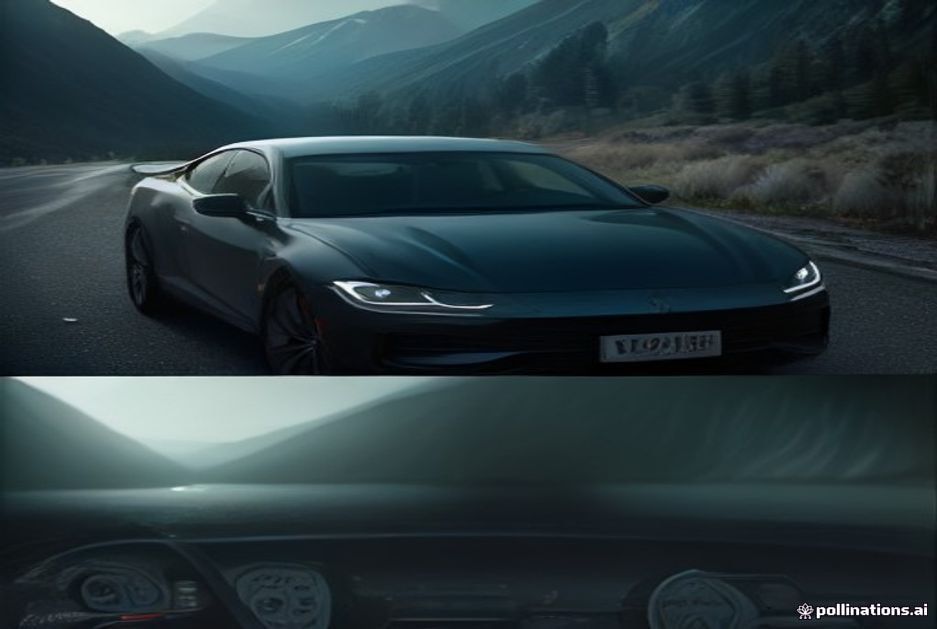

Volkswagen is preparing to integrate video game functionality directly into its vehicles, marking the latest move by a major automaker to transform cars into entertainment hubs. However, unlike many built-in features, the company intends to charge drivers for access to the gaming service, according to reports from European automotive publications.
The feature, which is expected to debut on several 2027 model year vehicles, will allow passengers to play games using their personal smartphones as controllers while the vehicle is parked. This approach leverages the widespread ownership of smartphones and avoids the need for dedicated gaming hardware within the car, potentially reducing manufacturing costs while still delivering an interactive experience.
The decision reflects a broader industry trend as automakers seek new revenue streams beyond traditional vehicle sales. With the automotive market becoming increasingly saturated and profit margins under pressure, manufacturers are exploring software-based services that can generate recurring income throughout a vehicle’s lifecycle. Gaming represents one of the most lucrative segments in digital entertainment, and embedding it into cars aligns with consumer expectations for connectivity and convenience.
Volkswagen’s strategy appears to mirror efforts by competitors such as BMW and Mercedes-Benz, both of which have introduced or announced in-car gaming platforms in recent years. BMW launched its “BMW Gaming” service in 2023, offering a selection of games accessible through the vehicle’s infotainment system, while Mercedes-Benz has partnered with companies like Zynga to bring popular mobile titles to its cars. Tesla, meanwhile, has long included a built-in arcade feature, though it does not currently charge for access.
By tying access to a subscription model, Volkswagen aims to capitalize on the growing willingness of consumers to pay for digital experiences. The company has not disclosed specific pricing details, but industry analysts suggest that a monthly fee ranging from $5 to $15 would be consistent with other automotive entertainment services. Some observers have raised concerns about whether drivers will embrace paying for a feature that many expect to be included as standard equipment.
“We’re seeing a fundamental shift in how people view their vehicles,” said one automotive technology consultant who requested anonymity due to ongoing discussions with manufacturers. “Cars are no longer just transportation devices—they’re personal spaces where people spend increasing amounts of time. Monetizing that time through entertainment services is a logical next step.”
The gaming functionality will reportedly be available only when the vehicle is stationary, addressing safety concerns that have accompanied earlier attempts to integrate interactive features into moving cars. This limitation is likely to appeal to regulators and insurance groups, who have expressed caution about any activity that could distract drivers or delay their response to road conditions.
Volkswagen has not confirmed which specific models will receive the feature first, though sources indicate that higher trim levels of the ID. series electric vehicles and select variants of the Golf and Passat may be among the early adopters. The integration is expected to work with both iOS and Android smartphones, allowing users to download compatible games through their device’s app store before syncing with the car’s display.
The announcement also underscores Volkswagen’s ongoing investment in software and digital services. The company has been restructuring its technology division in recent years, hiring thousands of software engineers and partnering with major tech firms to enhance its capabilities in areas such as autonomous driving, over-the-air updates, and connected services. These initiatives are part of a larger push to evolve from a traditional automaker into a mobility and technology provider.
While some consumers may question the value proposition of paying to play games in their car, others see potential benefits. For families on long trips, for instance, in-car entertainment can help keep children occupied during rest stops or charging breaks. Similarly, urban drivers who spend extended periods parked—whether in traffic or searching for parking—could find the feature a welcome distraction.
However, critics argue that monetizing basic entertainment functions could alienate budget-conscious buyers, particularly in markets where affordability remains a key consideration. “If you’re already spending tens of thousands of dollars on a car, charging extra for games feels like nickel-and-diming,” noted a consumer advocate familiar with the industry.
As Volkswagen prepares for the 2027 rollout, attention will likely focus on whether other manufacturers follow suit and whether consumers ultimately embrace the paid model. For now, the company appears optimistic that the combination of convenience, variety, and brand integration will justify the cost for tech-savvy drivers looking to maximize their time behind the wheel.
Additional reporting by automotive technology correspondents in Stuttgart and Wolfsburg.