
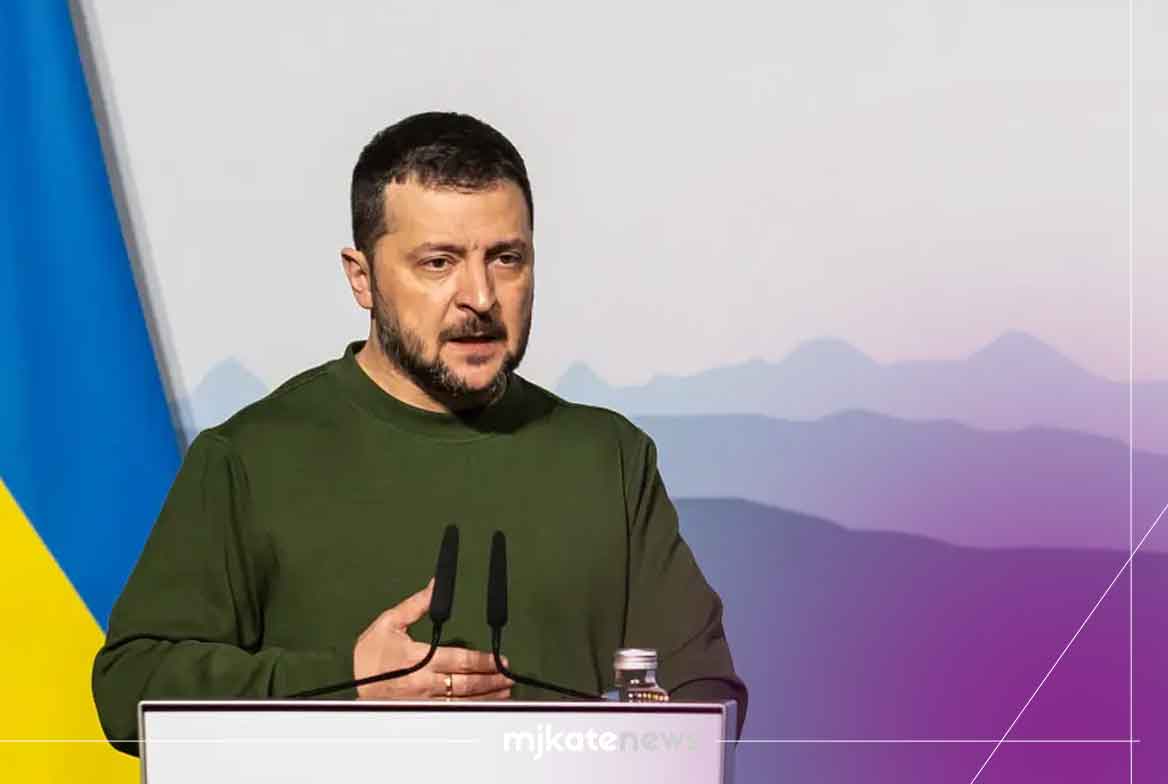

Ukrainian President Volodymyr Zelensky has issued a direct challenge to the international community, promising to present concrete evidence that Russia is actively assisting Iran in targeting United States military installations. According to recent intelligence claims emerging from Kyiv, the Kremlin is allegedly facilitating a dangerous intelligence loop, sharing high-resolution satellite imagery of American bases in the Middle East with Tehran to streamline precision strikes.
The allegations, if substantiated, represent a significant escalation in the geopolitical friction between Moscow, Tehran, and the West. For months, Western intelligence agencies have monitored the growing military cooperation between Russia and Iran, primarily focused on the transfer of Shahed-series loitering munitions used by Russia in its ongoing invasion of Ukraine. However, Zelensky’s latest assertion suggests that this partnership has moved beyond simple hardware transfers into the realm of strategic intelligence coordination.
The core of the accusation lies in the nature of modern warfare, where satellite reconnaissance plays a pivotal role. Zelensky suggests that Russia is providing Iran with detailed geospatial data regarding the exact coordinates and defensive layouts of US-held facilities in the Middle East. This information would allow Iranian-backed proxies or the Iranian military itself to conduct more effective missile and drone strikes, potentially bypassing sophisticated air defense systems like the Patriot missile batteries used by US forces.
If these claims are verified, the implications for Middle Eastern stability are profound. The United States has long been concerned about the “axis of resistance” and the ways in which non-state actors, such as Hezbollah and various militias in Iraq and Syria, utilize Iranian technology. If Russia is providing the “eyes” for these strikes, it would mean the Kremlin is not just a bystander in Middle Eastern conflicts, but a direct facilitator of potential attacks on American personnel and assets.
This development comes at a sensitive time for US foreign policy. The Biden administration has been working to de-escalate tensions in the Middle East while simultaneously managing the massive logistical and military commitments required to support Ukraine. A direct link between Russian intelligence and attacks on US bases would place Washington in a difficult position, potentially necessitating a more aggressive response toward both Moscow and Tehran to deter further provocations.
Military analysts suggest that the motivation for such cooperation is twofold. For Russia, assisting Iran provides a way to distract US military attention and resources away from the European theater. By fueling instability in the Middle East, Moscow can force the United States to redistribute its carrier strike groups and missile defense assets, potentially thinning the support provided to Kyiv. For Iran, the access to Russian satellite imagery—which is often more comprehensive and frequently updated than what is available to non-state actors—would be a massive force multiplier in its strategic rivalry with the United States.
Kyiv’s decision to go public with these claims is seen by many as a strategic move to heighten global awareness of the “globalized” nature of the current conflict. By framing the war in Ukraine not as a localized territorial dispute, but as a catalyst for broader international instability, Zelensky is attempting to secure more advanced surveillance and intelligence-sharing capabilities from his Western allies.
As the international community awaits the specific intelligence dossiers promised by the Ukrainian presidency, the Pentagon has remained cautious, acknowledging the patterns of Russian-Iranian cooperation while waiting for verifiable data. The stakes could not be higher; should the evidence confirm these allegations, the conflict in Ukraine will have effectively bridged the gap between Eastern Europe and the Middle East, creating a new and much more volatile era of global warfare.