

WASHINGTON — A U.S. Navy aircraft carrier under construction may soon carry the name of former President Donald Trump instead of that of a Black naval hero, sparking a heated debate over military tradition, racial justice, and the enduring legacy of service members who shaped America’s maritime history.
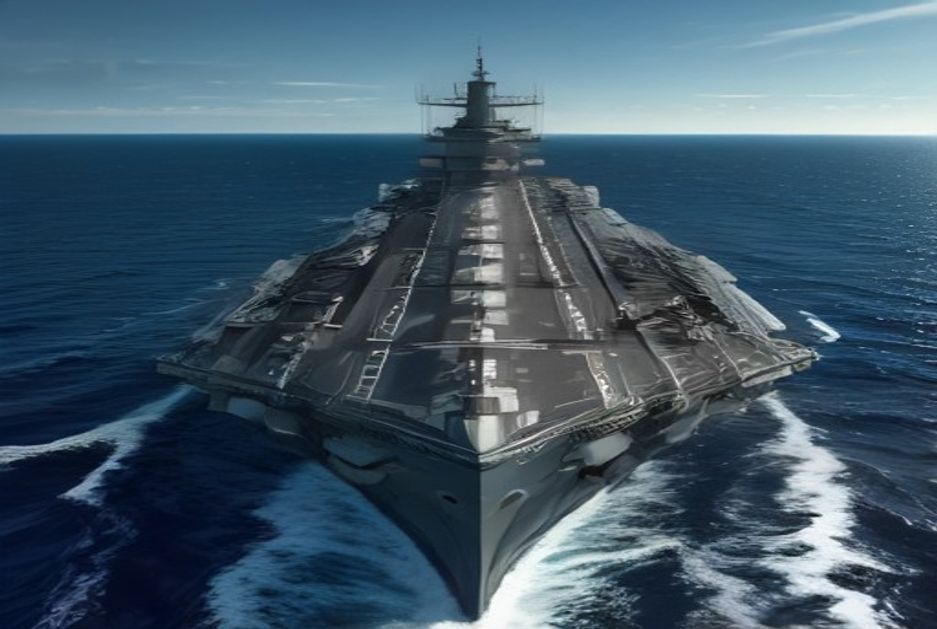
The controversy centers on a new Ford-class aircraft carrier, which is currently being built at Huntington Ingalls Industries’ Newport News Shipbuilding facility in Virginia. Originally planned to honor Doris Miller, the African American messman who became a World War II icon for his courageous actions during the attack on Pearl Harbor, the ship’s namesake has come under scrutiny as political figures and advocacy groups clash over whether the vessel should instead be named after Trump.
Miller, a cook on the USS West Virginia, earned the Navy Cross—the U.S. military’s second-highest decoration—for heroism and distinguished service during the 1941 attack. He helped move a critically damaged gun and later manned an anti-aircraft machine gun despite having no formal training, actions that saved lives and challenged the Navy’s segregation-era policies. Miller was killed in action in 1943 when his ship was torpedoed during the Battle of Coral Sea.
Efforts to name a ship after Miller date back decades. In 2021, the Navy announced that the carrier then known as the Gerald R. Ford-class lead ship would be named the Doris Miller, marking the first time an African American sailor was so honored. The decision was widely praised as a long-overdue acknowledgment of Miller’s contributions and a step toward addressing systemic racism within the military.
But in recent months, conservative lawmakers and Trump allies have pushed to rename the ship after the former president, citing his policies and perceived support from military veterans. Some argue that Trump’s administration prioritized military funding and modernization, making him a fitting namesake for a symbol of American naval power.
“President Trump did more for the military than most people realize,” said Florida Congressman Matt Gaetz, who has publicly supported the renaming effort. “He brought home service members, modernized our fleets, and respected the men and women who serve. Naming a ship after him would honor his legacy and inspire future generations.”
However, civil rights groups and military historians have condemned the proposed change, calling it an affront to Miller’s memory and a dangerous precedent for erasing the contributions of marginalized service members.
“Doris Miller didn’t just serve his country—he broke barriers at a time when African Americans were still fighting for basic rights,” said NAACP President Derrick Johnson. “To replace his name with that of a polarizing political figure is not only disrespectful but a betrayal of the values of equality and service this nation claims to uphold.”
The debate has also reignited broader discussions about how the military balances honoring its past with acknowledging contemporary figures. The U.S. Navy has a long tradition of naming ships after historical figures, including presidents, but such decisions are typically made with careful consideration of a nominee’s impact on national service and civil rights.
Navy officials have remained largely silent on the matter, though sources indicate that the final decision rests with the Secretary of the Navy, who is currently nominated by President Joe Biden’s administration. The Pentagon has emphasized that naming conventions are guided by principles of merit, historical significance, and the values of the armed forces.
Critics of the potential Trump renaming argue that the former president’s tenure was marked by divisive rhetoric, including racially charged remarks and policies that disproportionately affected minority communities. They also note that Trump’s own military service was limited, with a deferment for bone spurs during the Vietnam War era.
Supporters counter that Trump’s economic policies benefited military families and that his administration took steps to improve veterans’ benefits. They also point to his role in brokering the Abraham Accords, which normalized relations between Israel and several Arab nations, as evidence of his diplomatic acumen.
Whatever the outcome, the controversy reflects a growing tension in American society over how history is remembered and who gets to shape the narrative. For some, the ship’s name is a matter of patriotism; for others, it is a symbol of who is included and excluded from the nation’s story of heroism.
As the aircraft carrier nears completion, the debate is expected to intensify. Advocacy groups are mobilizing to defend Miller’s legacy, while Trump supporters continue to push for a name change they view as a tribute to leadership and national pride.
In the end, the decision will likely have lasting implications—not just for the Navy, but for how America reckons with its past and determines which voices are amplified in the telling of its history.