
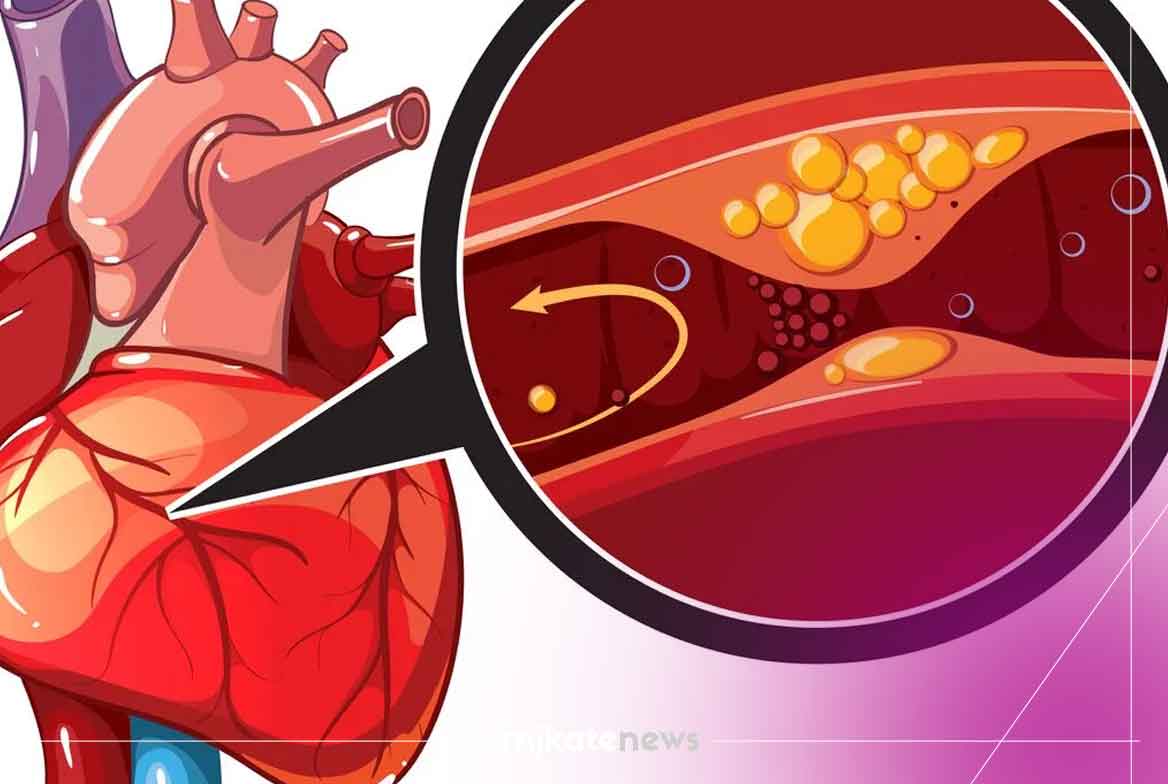

When it comes to cardiovascular health, the foods we eat play a starring role. While many people focus on avoiding certain ingredients, emerging research highlights the power of specific foods that actively work to reduce harmful cholesterol levels and promote arterial health. If you’re looking to support your heart naturally, three foods consistently stand out for their proven benefits in managing LDL cholesterol and helping maintain clear, healthy blood vessels.
Avocados have earned their reputation as a cardiovascular superfood, primarily due to their rich content of monounsaturated fats. These healthy fats, particularly oleic acid, help lower LDL cholesterol while simultaneously raising HDL cholesterol—the “good” variety that transports excess cholesterol out of the body. Beyond their fatty acid profile, avocados also provide potassium, a mineral that helps counteract the effects of sodium and supports healthy blood pressure. Studies have shown that consuming avocados regularly can lead to measurable improvements in cholesterol profiles, with some research indicating up to a 15% reduction in LDL oxidation, which is particularly damaging to arterial walls.
The mechanism by which avocados support arterial health extends beyond simple cholesterol management. Their fiber content, including both soluble and insoluble varieties, helps bind to cholesterol in the digestive system, preventing its absorption into the bloodstream. Additionally, avocados contain various antioxidants like lutein and zeaxanthin, which may help reduce inflammation in the vascular system—an important factor in preventing the development of atherosclerosis, the buildup of plaque in arterial walls.
Oats represent another cornerstone of heart-healthy eating, largely thanks to their unique soluble fiber content known as beta-glucan. When consumed, these fibers bind to bile acids produced by the body, which are then excreted rather than reabsorbed. This process forces the liver to use more cholesterol to produce additional bile acids, effectively pulling excess LDL cholesterol out of circulation. Regular oat consumption has been associated with reductions in LDL cholesterol of 5-10%, making it one of the most well-documented foods for cholesterol management.
What sets oats apart is their ability to work on multiple fronts. The soluble fiber not only helps with cholesterol reduction but also aids in stabilizing blood sugar levels and promoting satiety, which can be particularly beneficial for those managing weight-related cardiovascular risk factors. Steel-cut oats, in particular, provide more sustained benefits than instant varieties due to their less processed nature, allowing for better preservation of the beneficial compounds that support heart health.
Fish, especially oily varieties like salmon, mackerel, and sardines, have long been recommended for cardiovascular protection. Their high omega-3 fatty acid content plays a crucial role in reducing triglyceride levels, preventing blood clots, and decreasing overall cardiovascular risk. EPA and DHA, the primary omega-3s found in fish, help improve the endothelial function of blood vessels, making them more flexible and capable of allowing efficient blood flow. This is particularly important for maintaining arterial health as we age.
The benefits of fish extend beyond omega-3s. Fish naturally contains no saturated fat and is typically low in calories, making it an ideal protein source for those managing cholesterol levels. The phospholipids present in fish also contribute to cholesterol metabolism, helping to transport cholesterol through the lymphatic system more effectively. For maximum benefit, experts recommend consuming fish at least twice weekly, with a preference for wild-caught varieties when possible.
It’s worth noting that these three foods work synergistically when incorporated into a balanced diet. The fiber from oats and avocados, combined with the healthy fats from all three foods, creates an environment that supports optimal cholesterol metabolism. Additionally, the antioxidant properties found in colorful fruits and vegetables can complement these foods’ benefits by reducing oxidative stress throughout the cardiovascular system.
For those looking to incorporate these foods into their daily routine, practical approaches include starting the day with oatmeal topped with sliced avocado, adding fish to lunch or dinner meals, and using avocado as a healthy fat source in salads or as a spread. Consistency matters more than quantity when it comes to cardiovascular benefits, so regular consumption over time yields the best results.
While these foods offer remarkable benefits, it’s important to remember that dietary changes work best as part of a comprehensive approach to heart health that includes regular exercise, stress management, and avoiding tobacco use. Anyone with existing cardiovascular conditions or high cholesterol should consult with healthcare professionals before making significant dietary changes, especially if taking medications that could interact with certain foods.
As research continues to uncover the intricate relationships between diet and cardiovascular health, these three foods—avocados, oats, and fish—stand out as accessible, evidence-based options for those seeking to naturally improve their cholesterol levels and promote arterial health. Their combined benefits make them valuable additions to any heart-healthy eating plan.