
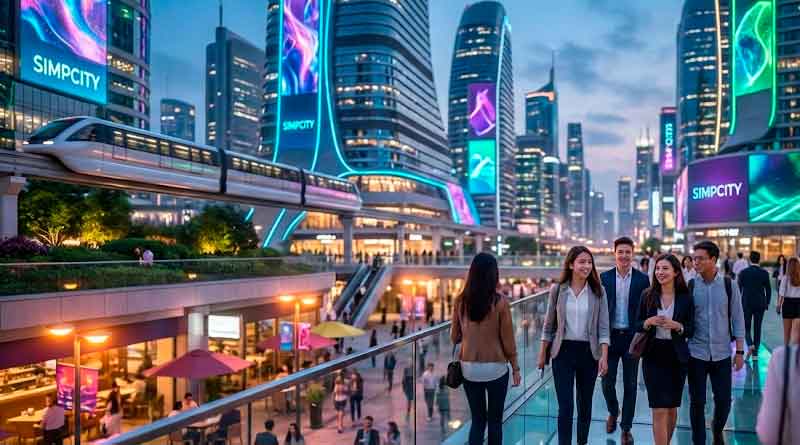
Inside SimpCity: How a “SIMP” became the currency of a 5-million person digital metropolis

SimpCity forum represents one of the internet’s most paradoxical digital communities—a structured, surprisingly orderly platform that has grown to over 5.2 million registered users while operating in a contentious ethical gray area. This isn’t just another anonymous corner of the internet; it’s a comprehensive ecosystem where traditional online dynamics have been deliberately flipped, creating a space where fandom culture thrives through community-driven incentives and a unique social currency system.
Understanding what makes SimpCity tick requires moving beyond surface impressions. The platform has successfully built something rare in digital spaces: a massive, engaged community that defies the chaotic reputation of similar adult content sites, instead offering clean navigation, minimal advertising intrusion, and a meritocratic structure that rewards genuine participation over passive consumption.
Deconstructing the city: What SimpCity really is
The first encounter with SimpCity (website) often surprises newcomers. Rather than the ad-saturated wasteland typical of adult content platforms, users find a forum structured more like Reddit or traditional bulletin board systems—discussion-focused, navigable, and remarkably restrained in its commercial interruptions.
Beyond the back alley: A cleaner forum model
The SimpCity forum distinguishes itself through user experience design that prioritizes community engagement over aggressive monetization. New visitors encounter just one pop-up advertisement every twelve hours, a stark contrast to competitors that bombard users with intrusive ads, redirects, and dubious download buttons. The interface emphasizes conversation threads, community contributions, and organized content categories rather than pure media consumption.
This design philosophy serves a strategic purpose: by creating a more pleasant browsing environment, the platform encourages longer sessions, deeper engagement, and most importantly, active participation in the community’s contribution-based economy.
The “SIMP” rebrand: From insult to badge of honor
Perhaps the platform’s most fascinating cultural innovation lies in its appropriation of terminology. “Simp”—originally internet slang used to mock people who demonstrate excessive devotion to others, particularly online personalities—has been deliberately reclaimed as the SimpCity community’s founding identity.
This linguistic judo transforms what was weaponized as an insult into a unifying badge of honor. Users openly embrace their status as fans and supporters, creating an environment where traditional toxic posturing around masculinity and fandom is diminished. The shared identity provides immediate cohesion, signaling that open enthusiasm for creators and honest fandom is not just accepted but celebrated as the community norm.
This cultural mechanic fundamentally alters typical online dynamics. Instead of users competing to appear the most detached or cynical, SimpCity members bond over shared interests and collaborative content discovery.
The civic structure: Navigation, rankings, and access
What separates SimpCity from simple image boards is its sophisticated gamification system that governs user privileges and community standing.
The meritocratic ladder: Earning your place in the city
The SimpCity forum operates on a contribution-based ranking system that new users must navigate to unlock full platform features. Fresh accounts begin with basic access to public sections, limited viewing capabilities, and encounter those periodic advertisements mentioned earlier.
Advancement comes through genuine engagement: posting quality content, participating in discussions, uploading requested materials, and contributing to the community knowledge base. As users accumulate positive contributions, they climb through ranking tiers that progressively unlock benefits including ad-free browsing, access to premium subforum sections, expanded posting capabilities, and higher download limits.
This meritocratic structure serves multiple functions. It deters spam accounts and low-effort users who might degrade community quality. It creates investment in maintaining good standing, encouraging rule compliance. Most importantly, it transforms passive consumers into active community participants, ensuring the platform’s content ecosystem remains dynamic and user-sustained rather than commercially driven.
A guide for the new resident
Navigating SimpCity successfully requires understanding its unwritten etiquette and technical features. First-time users benefit from choosing usernames that don’t immediately identify them personally, thoroughly reading community guidelines in their specific sections of interest, and utilizing the robust search and tag filtering systems before posting duplicate requests.
The platform’s culture rewards observation before participation. Spending time understanding how established members interact, what content earns appreciation versus criticism, and how specific subforum communities operate prevents newcomers from inadvertently violating norms or wasting effort on already-fulfilled requests.
The neighborhoods of SimpCity: Content and community
Like any metropolis, SimpCity comprises distinct districts, each with its own culture, activity level, and focus areas.
Main streets and cultural hubs
The OnlyFans section functions as the platform’s commercial center, boasting over 437,100 posts dedicated to discussing subscription-based content creators. This isn’t merely a repository for leaked content—though that certainly exists—but rather a comprehensive hub where users analyze creator business strategies, track career trajectories, compile comprehensive creator databases, and share insights about the evolving creator economy landscape.
The Requests forum, with its staggering 724,800+ posts, exemplifies the platform’s collaborative spirit. Users help each other locate specific content, fulfill searches others have conducted, and build collective knowledge around content organization and archiving. This mutual assistance model creates genuine community bonds beyond simple content consumption.
Niche enclaves and global districts
SimpCity’s diversity emerges in its specialized communities. The dedicated Transgender section represents over 114,600 posts of focused discussion, creating space for communities often marginalized on mainstream platforms. The Brazilian community (“Brasileiras”) demonstrates the platform’s international reach with 137,400+ posts conducted largely in Portuguese, operating with distinct cultural norms and regional creator focus.
The platform’s sophisticated tagging system enables micro-communities around increasingly specific interests, body types, content styles, and creator niches. These granular organizational tools transform what could be an overwhelming content firehose into navigable neighborhoods where users can find their specific interests represented.
The shadow side: Ethics, privacy, and legal fault lines
No honest examination of SimpCity can ignore the profound ethical and legal issues inherent to its operation.
The consent and copyright conundrum
The paramount concern surrounding SimpCity forum activities centers on consent and intellectual property rights. Despite platform policies ostensibly prohibiting non-consensual content sharing, the practical reality remains that significant portions of content posted represent leaked materials originally behind paywalls or private accounts.
Content creators—particularly those relying on subscription platforms for income—face an exhausting battle against leak communities. Even with DMCA takedown mechanisms available, the process resembles an endless game of whack-a-mole. Content removed from one account reappears uploaded by another user, often within hours.
The legal ambiguity surrounding SimpCity operations complicates enforcement. The platform operates under safe harbor provisions as a user-generated content host, placing responsibility for posted material on individual users rather than administrators. However, critics argue that communities built fundamentally around sharing content creators intended to remain behind paywalls operate in bad faith regardless of technical legal protections.
Risks for the resident
Users themselves face substantial risks participating in SimpCity. Data breaches could expose usernames, email addresses, and activity patterns, creating potential personal and professional consequences. Even without breaches, digital fingerprints and metadata can sometimes trace activity back to individuals who assumed anonymity.
The reactive moderation tools available—reporting violations, blocking users, requesting content removal—operate at scales that can’t match the platform’s size. With millions of users and posts, comprehensive content policing remains practically impossible, leaving both creators and concerned users frustrated by gaps in protection.
Conclusion: The paradigm and its price
SimpCity represents a genuine innovation in digital community building. By redefining social norms around fandom, implementing gamified contribution systems, and maintaining cleaner user experiences than competitors, it has cultivated a massive, genuinely engaged community that defies expectations for platforms in its category.
The community mechanics work. The cultural innovations succeed. The platform demonstrates that even in controversial spaces, thoughtful design and community-centered incentives can create cohesion, investment, and surprising civility among millions of users.
Yet this success exists inseparably from serious ethical compromises. The same features that create community and engagement operate within frameworks that regularly facilitate consent violations and intellectual property theft. The platform’s vitality depends substantially on content that creators neither authorized for sharing nor receive compensation for redistributing.
This tension poses fundamental questions about digital rights, content ownership, and community ethics in evolving online spaces. As legal frameworks adapt and social attitudes shift around digital consent and creator rights, platforms like SimpCity will increasingly face pressure to reconcile their community innovations with the ethical foundations those communities operate upon—or face consequences from creators, lawmakers, and platforms that host them.