
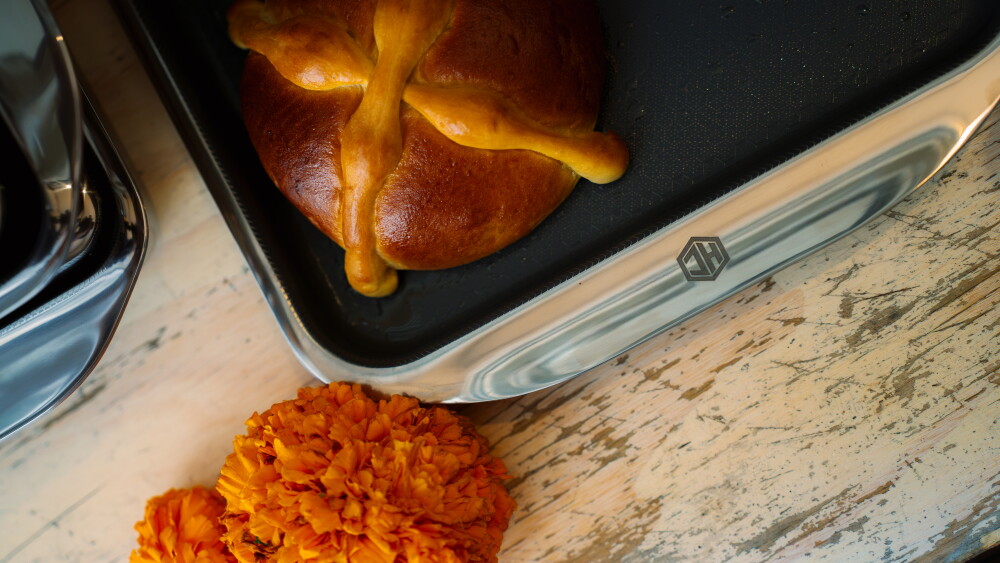

The Day of the Dead celebrations in Mexico are inseparable from the iconic sweet roll known as pan de muerto. This buttery, fragrant bread—sprinkled with sugar and often flavored with orange blossom water—symbolizes the cycle of life and death, its twisted shape representing the bones of loved ones. While the classic recipe has remained largely unchanged for generations, a new wave of pastry chefs is re‑imagining the tradition, blending centuries‑old techniques with contemporary flavors. In Mexico City, three standout bakeries are leading this culinary evolution, each offering a distinct take on the beloved bread that honors its cultural roots while pushing the boundaries of taste and presentation.
Sofía Cortina’s Avant‑Garde Pan de Muerto
Located in the heart of the Roma neighborhood, Sofía Cortina’s version of pan de muerto merges tradition with a modern twist. Working with kitchen‑ware brand HexClad, Cortina introduced a recipe that elevates the classic dough with subtle citrus notes. The base includes a rich, butter‑enriched paste that is finished with a vanilla‑infused pastry cream. Distinctive touches of tangerine and a vibrant splash of green lime add complexity to the familiar orange blossom and sugar coating. By incorporating these unexpected flavors, Cortina demonstrates that pan de muerto can remain a cultural anchor while also being a canvas for innovation. Her approach underscores the idea that culinary traditions should not only be preserved but also transformed—deliciously.
Elena Reygadas’s Panadería Rosetta
For Elena Reygadas, the soul of pan de muerto lies in artisanal process. Panadería Rosetta, one of Mexico City’s most respected bakeries, is renowned for its dedication to traditional techniques, a philosophy that shines through in its seasonal offering. The bread features a slowly fermented dough, butter, orange zest, and a generous splash of orange blossom water—an combination that amplifies the aromatic profile associated with the Day of the Dead. Reygadas’s recipe is a study in simplicity: high‑quality ingredients and meticulous craftsmanship take center stage. The result is a loaf that honors the past while delivering a refined, authentic taste that resonates with both locals and visitors alike. (Instagram: @panaderiarosetta)
Paloma Solano’s Dukkah: Aromatic Experimentation
Paloma Solano’s bakery, Dukkah, invites diners to explore a different facet of pan de muerto through the lens of aromatic herbs. Solano incorporates rosemary into the dough, creating a striking contrast between the herb’s piney notes and the bread’s traditional sweetness. The base—made with butter and orange blossom water—provides a familiar foundation, while the rosemary introduces an unexpected, earthy dimension. This seasonal creation also includes filled variations, allowing guests to experience the classic Mexican pastry in new ways, from handheld bites to elaborate presentations. Solano’s work illustrates how contemporary chefs can respect the cultural significance of pan de muerto while experimenting with flavor pairings that appeal to modern palates. (Instagram: @dukkah__)
Why These Creations Matter
These three bakeries exemplify a broader trend in Mexican gastronomy: the reinterpretation of heritage dishes through a modern, experimental eye. By keeping the symbolic elements of pan de muerto—its shape, its orange blossom fragrance, its sweet‑buttery texture—while introducing innovative flavors, they ensure that the bread remains a living part of the Day of the Dead celebration. Their work also highlights the importance of artisanal methods, such as slow fermentation and careful ingredient selection, which preserve the craft’s authenticity even as the recipes evolve.
As Mexico City’s culinary scene continues to thrive, pan de muerto will likely remain a focal point for both tradition‑keepers and culinary innovators. Whether enjoyed with a cup of hot chocolate at a family altar or presented as a sophisticated dessert at a high‑end restaurant, this iconic bread will continue to bridge generations, reminding us that cultural heritage can be both cherished and reimagined—always with a delicious result
Source: caras.com.mx