Growing Old as a Woman: Health, Autonomy & Quality of Life Guide

Growing old as a woman presents a unique tapestry of challenges and opportunities, demanding a societal shift in how we perceive and support the aging female population. As demographic trends unequivocally show women living longer than men, the global community faces an urgent imperative to address the specific health, autonomy, and quality of life issues that define the female aging experience.
The journey of aging, while universal, is not uniform. For women, this path is often shaped by distinct biological, social, and economic factors that necessitate a tailored approach to care, policy, and personal well-being. Understanding these nuances is not merely an academic exercise; it is a critical step towards fostering a society where longevity for women translates into a life lived with dignity, purpose, and optimal health.
The demographic shift: Why women are living longer
Why do women tend to live longer than men? Statistical data consistently reveals that women enjoy greater longevity compared to men, leading to a significant female majority within the elderly population, particularly in advanced age groups (80 years and older). This phenomenon is complex, rooted in a combination of biological, behavioral, and socio-economic factors.
Biologically, women possess certain protective advantages. Estrogen, for instance, has been linked to cardiovascular protection during reproductive years, though this benefit diminishes post-menopause. Furthermore, women generally exhibit stronger immune responses, which can offer greater resilience against certain infections and diseases. Genetic factors also play a role; women have two X chromosomes, which may offer a protective redundancy against X-linked genetic disorders.
Behaviorally, men are statistically more prone to engaging in risky behaviors, such as smoking, excessive alcohol consumption, and dangerous occupations, which contribute to higher mortality rates at younger ages. They are also less likely to seek timely medical attention for health concerns, often delaying visits to doctors until conditions become more severe. Conversely, women historically have been more proactive in seeking healthcare, participating in preventative screenings, and adhering to medical advice.
Globally, the population is aging at an unprecedented pace. International organizations estimate that the number of people aged 60 or older will surge to over 2 billion by 2050. This demographic transformation is driven by several intertwined factors: remarkable advancements in public health, the development of more effective medical treatments, a significant reduction in infant mortality rates, and an overall increase in life expectancy. Simultaneously, birth rates have been declining in many nations, further skewing the population structure towards older demographics relative to younger generations.
This profound demographic shift carries significant implications for families, communities, and healthcare systems worldwide. It impacts access to essential services, the sustainability of pension systems, the availability of robust social support networks, and the escalating need for chronic disease management. Recognizing these trends is the first step toward building resilient societies that can adequately support their aging populations, particularly the growing cohort of older women.
Distinct challenges of growing old as a woman
Do women age differently than men? Yes, while the biological process of aging is universal, the experience of growing old as a woman often entails distinct challenges that differentiate it from men’s aging journey. This extended longevity, while a testament to human progress, brings with it specific hurdles related to health, financial security, and social well-being.
One of the most prominent challenges is the increased likelihood of living alone. Due to their longer lifespans, women are more likely to experience widowhood and spend more years living independently, which can contribute to social isolation and loneliness. This demographic reality underscores the critical need for robust community support systems and initiatives that foster social connection among older women.
Health challenges unique to aging women
What specific health issues do aging women face? Aging women often face a higher incidence and prevalence of certain chronic diseases. While both men and women are susceptible to age-related ailments, women are disproportionately affected by conditions such as osteoporosis, autoimmune diseases, and certain forms of arthritis. The decline in estrogen levels post-menopause significantly contributes to bone density loss, making women far more vulnerable to fractures.
Furthermore, cardiovascular disease, often perceived as a male affliction, is a leading cause of death for women, though symptoms can present differently and often be misdiagnosed or overlooked. Mental health challenges, including depression and anxiety, can also be more prevalent among older women, exacerbated by factors such as social isolation, chronic pain, and the cumulative stress of caregiving responsibilities throughout their lives. The healthcare system, historically built around male physiology, sometimes struggles to adequately address these gender-specific health nuances, leading to delays in diagnosis or less effective treatments.
Autonomy and financial security
How does aging impact a woman’s autonomy and financial stability? The path of growing old as a woman is frequently marked by greater financial precarity. Throughout their working lives, women often experience lower lifetime earnings due to the gender pay gap, career interruptions for child-rearing or elder care, and a higher propensity to work in part-time or lower-paying sectors. These factors culminate in smaller pensions and fewer accumulated savings, making them more vulnerable to poverty in old age.
The traditional societal role of women as primary caregivers also significantly impacts their autonomy and financial well-being. Many women dedicate substantial portions of their adult lives to caring for children, spouses, or elderly parents, often at the expense of their own career advancement, earning potential, and opportunities to save for retirement. This unpaid labor, while invaluable to families and society, often leaves women economically disadvantaged as they age, limiting their choices and independence.
Beyond finances, autonomy can be challenged by physical limitations or the need for care. For women who have historically been the primary decision-makers or caregivers within their families, the shift to needing assistance can be particularly difficult, impacting their sense of self-reliance and control over their lives. Policies and social structures must evolve to acknowledge and mitigate these long-term economic and social consequences, ensuring that women who have dedicated their lives to caregiving are not left behind in their own elder years.
Quality of life and social roles
What factors affect the quality of life for aging women? The quality of life for aging women is deeply intertwined with their social roles and perceived value within society. Historically, women have often been defined by their roles within the family—as daughters, wives, and mothers. As these roles evolve or diminish with age (e.g., children leave home, widowhood), some women may experience a loss of identity or purpose, contributing to feelings of loneliness or depression.
Societal expectations regarding appearance and aging can also place undue pressure on women, leading to body image issues and a sense of invisibility as they age. This contrasts with the often-celebrated “distinguished” look of aging men. The media’s portrayal of older women, if present at all, often reinforces stereotypes rather than celebrating their wisdom, experience, and continued contributions.
Furthermore, the cumulative impact of discrimination, whether based on gender, race, or socioeconomic status, can compound these challenges, leading to disparities in access to resources, healthcare, and social opportunities. Addressing these systemic issues is crucial for enhancing the quality of life for all aging women, allowing them to thrive and contribute meaningfully to their communities.
Pathways to healthy aging: Empowering women
Can women age healthily? Absolutely. Growing old as a woman does not have to be synonymous with decline and dependence. Instead, it can be a vibrant chapter characterized by quality, engagement, and purpose. Experts in geriatric health and well-being emphasize that while some aspects of aging are inevitable, the trajectory of how we age is largely influenced by lifestyle choices, preventative care, and a supportive environment. Embracing proactive strategies for physical, mental, and social health is key to navigating the aging process with greater autonomy, well-being, and an enhanced quality of life.
Cultivating a sharp mind
How can aging women maintain cognitive health? Keeping the brain active and engaged is paramount for cognitive health. This extends beyond simple puzzles to encompass a rich tapestry of intellectual and creative pursuits. Regularly challenging your mind with new learning experiences, such as mastering a new language, taking up a musical instrument, or enrolling in a community college course, can foster neuroplasticity and strengthen cognitive reserves. Engaging in strategic games like chess, bridge, or even complex video games can also stimulate critical thinking and problem-solving skills.
Social interaction plays a vital role in mental acuity. Maintaining strong connections with family and friends, participating in book clubs, or joining discussion groups can stimulate intellectual exchange and emotional well-being. These interactions provide opportunities for conversation, debate, and empathy, all of which contribute to a healthy brain. Furthermore, mindfulness practices and meditation can reduce stress, improve focus, and enhance emotional regulation, all critical components of a resilient mind.
Embracing regular physical activity
What types of exercise are best for aging women? Moderate and consistent physical activity is a cornerstone of healthy aging for women. It’s not about high-impact workouts but rather finding activities that are enjoyable and sustainable. Walking briskly for 30 minutes most days of the week can significantly boost cardiovascular health, improve circulation, and maintain a healthy weight. Dancing, whether structured or spontaneous, offers excellent cardiovascular benefits while also improving balance and coordination, reducing the risk of falls.
Yoga and Tai Chi are particularly beneficial for older women as they enhance flexibility, balance, and muscle strength while promoting mental calmness. Incorporating strength training with light weights or resistance bands helps maintain muscle mass, which naturally declines with age, and supports bone density, crucial for preventing osteoporosis. Even simple daily movements, like gardening, taking the stairs, or performing household chores with vigor, contribute to overall physical well-being. The goal is to integrate movement into daily life, making it a natural and enjoyable part of the routine.
Prioritizing balanced nutrition
What dietary changes should aging women consider? A well-balanced diet is fundamental for sustaining health and preventing chronic diseases as women age. Prioritize whole, unprocessed foods: a colorful array of fruits and vegetables provides essential vitamins, minerals, and antioxidants. Whole grains, such as oats, quinoa, and brown rice, offer sustained energy and fiber, aiding digestion and heart health. Lean proteins from sources like fish, poultry, beans, and lentils are crucial for maintaining muscle mass and supporting immune function.
Healthy fats, found in avocados, nuts, seeds, and olive oil, are important for brain health and reducing inflammation. It’s crucial to limit excessive intake of sugar, processed foods, and unhealthy saturated and trans fats, which can contribute to chronic conditions like diabetes, heart disease, and hypertension. Adequate hydration is also often overlooked but vital; drinking plenty of water throughout the day supports all bodily functions. Consulting with a nutritionist can help tailor dietary plans to individual needs, especially for those managing specific health conditions or nutrient deficiencies common in older women, such as calcium, Vitamin D, and B12.
The importance of regular check-ups and prevention
Why are preventative health screenings crucial for older women? Regular medical check-ups and preventative screenings are indispensable tools for early detection and effective management of health issues. For women, this includes routine blood pressure checks, cholesterol screenings, and diabetes monitoring. Bone density scans (DEXA scans) are critical for detecting osteoporosis early, allowing for interventions to prevent debilitating fractures.
Mammograms remain vital for breast cancer screening, and cervical cancer screenings (Pap tests) should continue as recommended by your doctor. It’s also important to discuss cardiovascular health comprehensively with your physician, as heart disease symptoms in women can be subtle and differ from those in men. Beyond specific tests, regular doctor visits provide an opportunity to discuss any new symptoms, medication reviews, and lifestyle adjustments. Being an informed advocate for your own health, asking questions, and understanding your medical history empowers you to make proactive decisions about your well-being.
Rest, relaxation, and stress management
How does stress management contribute to healthy aging? Quality sleep is not a luxury but a fundamental pillar of health. Adequate rest strengthens the immune system, supports cognitive function, and improves mood. Establishing a consistent sleep schedule, creating a relaxing bedtime routine, and ensuring a dark, quiet, and cool sleep environment can significantly improve sleep quality. If sleep disturbances persist, seeking medical advice is important, as underlying conditions may be at play.
Managing stress is equally critical. Chronic stress can have detrimental effects on both physical and mental health, contributing to inflammation, high blood pressure, and cognitive decline. Incorporating relaxation techniques into daily life can make a profound difference. Practices such as deep breathing exercises, progressive muscle relaxation, meditation, or spending time in nature can help calm the nervous system. Engaging in hobbies that bring joy and a sense of flow, whether it’s painting, gardening, or listening to music, can also serve as powerful stress reducers. Prioritizing self-care is not selfish; it is essential for long-term health and resilience.
Fostering social connection and community engagement
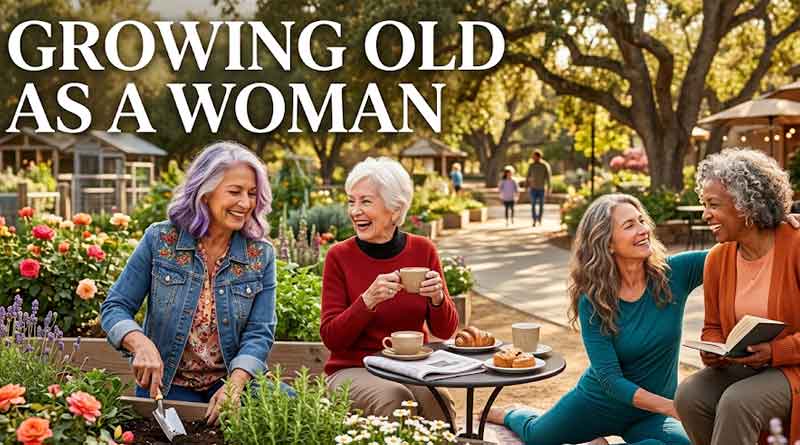
Why is social connection important for aging women? Maintaining robust social connections and actively participating in the community are powerful antidotes to isolation and loneliness, which can severely impact an older woman’s mental and physical health. Engaging in community activities, joining clubs or groups based on shared interests (e.g., gardening clubs, book clubs, walking groups), or participating in volunteer work can provide a sense of purpose and belonging.
These interactions foster new friendships, strengthen existing bonds, and offer opportunities for intellectual stimulation and emotional support. Intergenerational connections are also incredibly valuable, allowing older women to share their wisdom and experiences while learning from younger generations, fostering a sense of continuity and relevance. Staying connected, whether through face-to-face meetings, phone calls, or even modern digital communication, is vital for maintaining self-esteem, combating depression, and ensuring a vibrant quality of life.
A future with more years, and more opportunities
The aging of the global population, and particularly the increase in the number of women living longer, presents both a formidable challenge and an immense opportunity. A society with more individuals living into their later years can be a richer, more diverse, and more experienced one. Older women, with their accumulated wisdom, life experiences, and often unheralded resilience, represent an invaluable resource for families, communities, and the broader economy. They can serve as mentors, caregivers, volunteers, and active participants in cultural and civic life, provided they are supported by adequate health infrastructure and social support systems.
The narrative of growing old as a woman needs to shift from one of decline and burden to one of empowerment and continued contribution. This requires concerted efforts from policymakers, healthcare providers, communities, and individuals. Investing in gender-sensitive healthcare research, promoting financial literacy and security for women throughout their lives, creating accessible and flexible work opportunities for older adults, and strengthening elder care support are all crucial steps. Furthermore, dismantling ageist and sexist stereotypes that diminish older women’s value is essential for fostering a truly inclusive society.
For every woman embarking on this journey of aging, it is an invitation to prioritize personal well-being, to remain informed, to actively connect with others, and to continually build a life rich in health and purpose. It is about more than simply adding years to life; it is about adding life to those years, ensuring that each additional year is lived with vitality, joy, and meaning. By embracing this perspective, we can collectively transform the landscape of aging for women, creating a future where longevity is truly a blessing for all.