
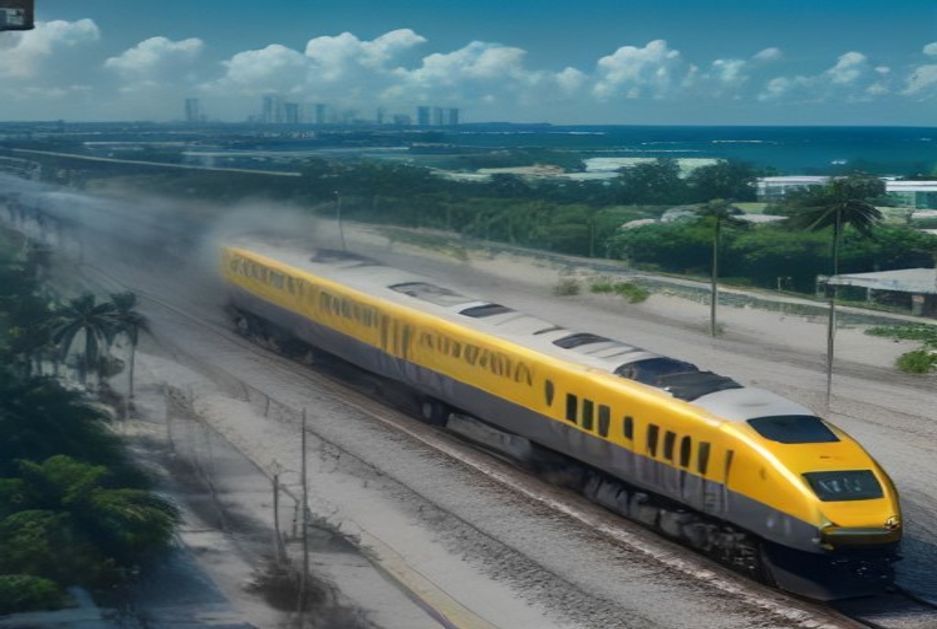

Florida’s Brightline passenger rail service, which connects Miami to Orlando with stops in between, has become the center of growing controversy following a surge in fatalities involving trains along its tracks. The service, launched as a modern solution to ease congestion on the state’s busy highways, now faces intense scrutiny over safety concerns and the human cost of its rapid expansion.
Since its inception, Brightline was marketed as a sleek, efficient alternative to driving or flying across Florida. The high-speed rail line promised to transform transportation in a state where sprawling urban development and long commutes have strained infrastructure. However, recent reports indicate that more than 200 people have died in incidents related to the rail line, making it one of the deadliest passenger rail services in the United States by fatality rate.
The majority of these deaths are not passengers but individuals who have entered the train tracks—often trespassers, pedestrians, or people in crisis. Many of the incidents occur in areas where the tracks run at ground level, particularly in urban zones where barriers and warning systems may be insufficient or bypassed. The high speed at which Brightline trains operate—up to 125 mph in some stretches—leaves little margin for error, and emergency response times can be critical in preventing tragedies.
Local officials and advocacy groups have raised alarms about the accessibility and visibility of the rail corridor. In cities like West Palm Beach and Stuart, sections of the track pass through densely populated neighborhoods where residents live in close proximity to the trains. Community members have expressed frustration over what they describe as a lack of adequate communication from Brightline and state transportation authorities regarding safety improvements.
Brightline officials have acknowledged the challenges and pointed to ongoing efforts to enhance safety infrastructure. These include the installation of additional fencing, improved signage, and upgraded crossing signals. The company has also partnered with mental health organizations to address the issue of suicides, which account for a significant portion of the deaths. In several cases, individuals in emotional distress have intentionally stepped in front of trains, a tragic pattern that has prompted calls for better outreach and intervention programs.
Despite these efforts, critics argue that the pace of expansion has outstripped safety preparations. The extension of service to Orlando, completed in 2023, was celebrated as a major milestone, but it also introduced new stretches of track through areas with varying levels of safety infrastructure. Some local governments have requested federal assistance to fund protective measures, citing the high cost of retrofitting older sections of the corridor.
The Federal Railroad Administration has been monitoring the situation and has urged Brightline to implement more stringent safety protocols. In a statement issued earlier this year, the agency emphasized that while passenger rail is a vital component of sustainable transportation, it must not come at the expense of public safety. Investigations into specific incidents are ongoing, and some families of victims have filed lawsuits alleging negligence on the part of the rail operator.
Transportation experts note that the challenges faced by Brightline reflect broader issues in the United States, where passenger rail systems often share tracks with freight traffic and lack the robust safety networks found in other countries. Unlike many European nations where rail safety is deeply embedded in infrastructure design, American rail systems frequently retrofit existing corridors, creating gaps in protection and response capabilities.
For now, the focus remains on preventing future tragedies while maintaining the momentum of rail development in Florida. State leaders continue to support the project, citing its economic impact and potential to reduce car dependency. But as the death toll climbs, so too does the pressure on all involved to reconcile progress with responsibility.
The ongoing debate underscores a fundamental tension in modern infrastructure development: how to move people quickly and efficiently without compromising the communities through which they pass. As Brightline looks to expand further north toward Tampa and beyond, the lessons learned along the Miami-to-Orlando route will likely shape the future of passenger rail not just in Florida, but across the nation.