
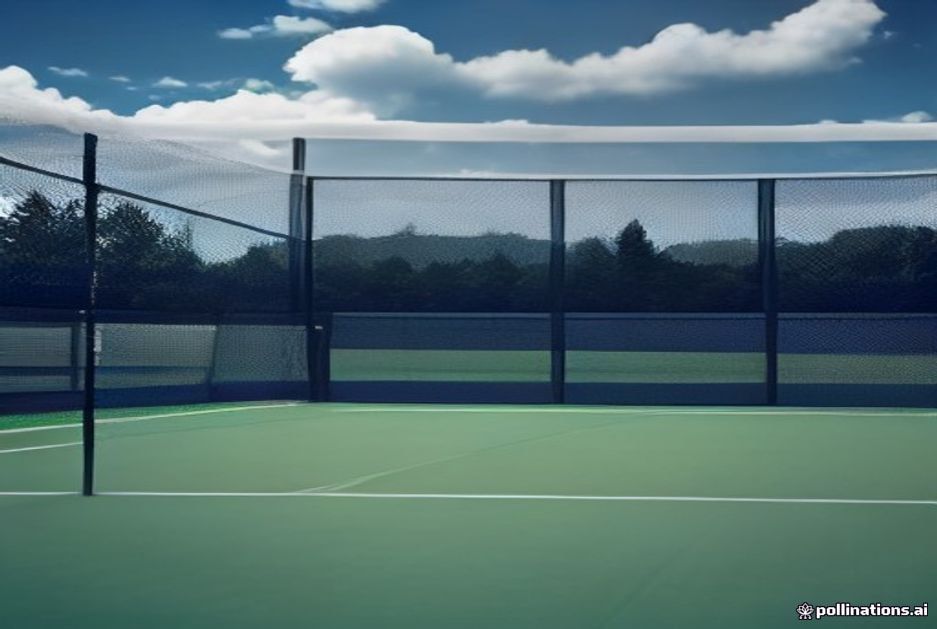

The American sports landscape is experiencing an unexpected transformation, with padel tennis emerging as one of the fastest-growing sports in the country. According to industry leaders, there are now more than one million padel players in the United States—a remarkable achievement for a sport that has deep roots in Latin America but was largely unknown in North America just a few years ago.
Padel, often described as a hybrid between tennis and squash, originated in Mexico in the 1960s before spreading throughout Latin America. The sport is played in enclosed courts with glass walls, using specialized paddles rather than traditional tennis rackets. Despite its growing international following, padel remained a niche activity in the United States until recent years, when a confluence of factors began driving its explosive expansion.
The catalyst for this growth can be traced to several key developments. First, the establishment of the Pro Padel League in 2021 brought professional competition to American audiences, with high-profile matches broadcast across digital platforms. Second, demographic shifts in American society—including increasing Hispanic populations and a growing appetite for accessible, social sports—created fertile ground for padel’s adoption.
“What we’re seeing is a perfect storm of cultural readiness and sports innovation,” explains a league executive who spoke on condition of anonymity. “Padel offers something that American sports culture has been craving: a game that’s both competitive and social, where friendships are forged as much as trophies are won.”
The sport’s accessibility plays a crucial role in its appeal. Unlike tennis, which requires significant equipment investment and court access, padel can be played with relatively affordable gear and in smaller spaces. This accessibility has enabled community centers, parks departments, and private clubs across the country to add padel courts, often converting existing tennis facilities or building multi-use courts that serve both sports.
Interest in padel has been particularly strong in cities with large Latino populations, but growth has extended far beyond these traditional markets. Cities like Dallas, Atlanta, and Portland have reported significant increases in padel court construction and player enrollment. The sport’s social nature—players often form long-term doubles partnerships and gather at courts for extended sessions—resonates with Americans increasingly seeking connection in an increasingly digital world.
The business community has taken notice of this trend. Real estate developers are incorporating padel courts into residential and commercial projects, while sports equipment manufacturers have expanded their padel offerings. Major tennis brands like Wilson and Babolat now produce complete padel lines, and specialized retailers have opened locations in key markets.
Professional development in the sport has accelerated dramatically. The Pro Padel League has attracted international stars while also developing American talent. Collegiate programs have emerged at universities ranging from traditional tennis powerhouses to smaller institutions seeking to differentiate themselves in the competitive sports landscape.
Social media has played an unexpected role in padel’s American expansion. Instagram accounts dedicated to padel lifestyle, YouTube channels featuring match highlights and equipment reviews, and TikTok videos showcasing trick shots have all contributed to the sport’s visibility among younger demographics.
“We’re not just importing a sport; we’re adapting it to American culture,” notes a sports sociologist at the University of Southern California who has studied emerging sports trends. “Padel fits well with American values of accessibility, community, and lifestyle integration. It’s not just about competition—it’s about becoming part of a community.”
The infrastructure investment required for padel has been substantial but manageable. Each court costs approximately $25,000 to $40,000 to build, significantly less than tennis court construction. Municipalities and private clubs have found that padel courts can generate revenue through lessons, court rentals, and tournament hosting—considerably more efficiently than many traditional tennis facilities.
Looking ahead, industry experts anticipate continued growth, with projections suggesting the number of American padel players could double within five years. Plans are already underway for expanded professional leagues, collegiate championships, and international tournaments that will further elevate the sport’s profile.
The transformation from novelty to mainstream phenomenon reflects broader changes in American sports consumption. As traditional sports face questions about relevance and accessibility, padel has successfully bridged generational and cultural divides, creating something entirely new while honoring its roots in community-based sport.
Whether this growth will sustain or if it represents another sports fad remains to be seen. But for the more than one million Americans who have picked up a padel paddle, the sport has already become something far more significant—a connection to community, culture, and a love of sport that transcends traditional boundaries.