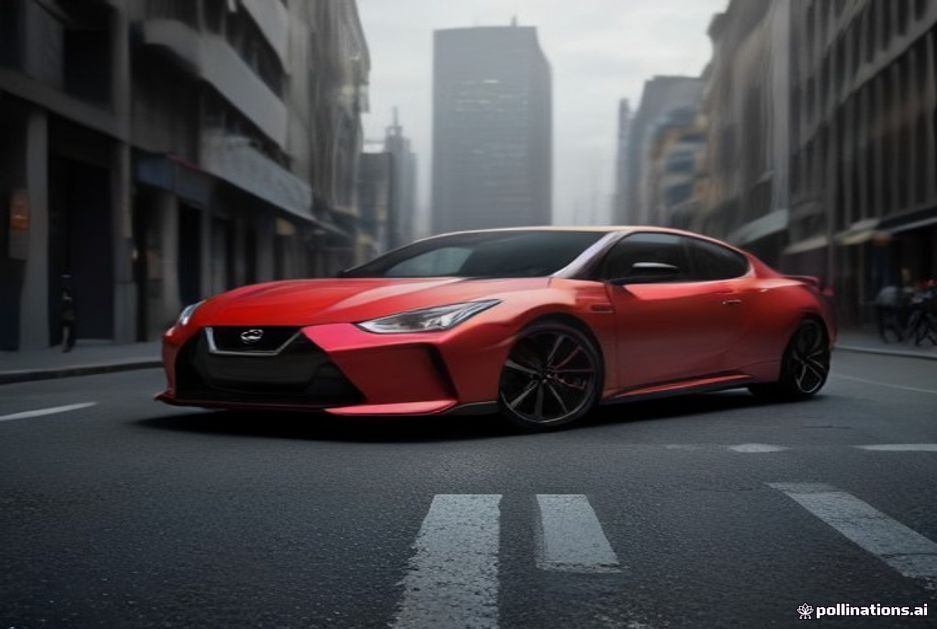

Nissan is developing a compact electric vehicle designed specifically for the narrow, congested streets of European cities, marking a strategic pivot toward affordable urban mobility solutions in its key overseas markets. The vehicle, which automotive analysts speculate may revive the brand’s former “Pico” nameplate under a new electrified identity, represents a clear signal that the Japanese automaker is tailoring its electric ambitions to regional preferences rather than pursuing a one-size-fits-all global strategy.
The project reflects Nissan’s ongoing effort to balance cost considerations with technological advancement as it navigates an increasingly competitive electric vehicle landscape. Industry sources familiar with the development timeline suggest the model will feature lithium iron phosphate battery technology, a chemistry choice that prioritizes safety and longevity over raw energy density. This approach aligns with similar strategies adopted by Chinese manufacturers and signals Nissan’s recognition that European urban drivers may value practicality and affordability over maximum range capabilities.
Incorporating advanced connectivity features, the vehicle is reportedly being developed with integration capabilities for Google’s automotive services platform. This partnership structure mirrors agreements between Google and other established automakers seeking to modernize their infotainment offerings without bearing the full development costs of proprietary systems. For Nissan, which has faced financial pressures in recent years, leveraging existing technology partnerships represents a pragmatic approach to maintaining competitive feature sets while controlling expenses.
The decision to exclude the U.S. market from this particular vehicle’s rollout underscores fundamental differences in how automakers approach electric vehicle deployment across regions. American consumers have generally shown preference for larger vehicles, including SUVs and pickup trucks, even in their electric variants. Additionally, the U.S. market presents unique regulatory requirements and consumer expectations regarding range anxiety that differ significantly from European urban driving patterns.
Nissan’s strategy appears focused on maximizing resource allocation efficiency. Rather than investing heavily in a vehicle category that may struggle to find sufficient demand in North America, the company is concentrating its efforts on markets where small, affordable electric vehicles have demonstrated stronger commercial viability. European cities with strict emissions regulations and low-emission zones create natural demand for compact electric transportation solutions.
The vehicle’s design philosophy emphasizes maneuverability and parking ease, characteristics that resonate strongly with European urban dwellers who often face limited parking spaces and narrow street conditions. Features such as enhanced turning radius, compact overall dimensions, and potentially innovative storage solutions would address specific pain points experienced by city-based drivers across much of Europe.
Battery technology choices further illustrate Nissan’s targeted approach. Lithium iron phosphate batteries typically offer longer cycle life and reduced fire risk compared to other lithium-ion chemistries, making them particularly suitable for urban applications where vehicles may undergo frequent charging cycles. While these batteries generally provide less range per kilowatt-hour, they align well with the typical daily driving distances common in European cities.
Rapid charging capability remains a crucial consideration for any electric vehicle targeting urban markets where private garage access may be limited. The inclusion of fast-charging support addresses range anxiety concerns while accommodating the lifestyle patterns of city residents who rely on public charging infrastructure more heavily than suburban counterparts.
For Nissan, this development represents part of a broader restructuring effort following years of financial challenges and leadership changes. The company has been streamlining its global product lineup while focusing resources on markets and segments where it maintains competitive advantages. Electric vehicles represent both an opportunity for reinvention and a significant financial risk given the substantial investments required for battery supply chains and manufacturing retooling.
The European automotive market presents particular challenges for traditional automakers as Chinese manufacturers introduce increasingly sophisticated yet affordable electric vehicles. Nissan’s approach of combining cost-conscious engineering with proven technology partnerships reflects an understanding that competing solely on price may prove insufficient without matching or exceeding expected technology standards.
Analysts note that success in the European urban electric vehicle segment will depend heavily on timing and pricing strategy. With numerous competitors preparing similar offerings, Nissan faces pressure to deliver its product to market at a competitive price point while maintaining quality standards that preserve brand reputation. The company’s ability to balance these competing demands may well influence its future trajectory in the rapidly evolving electric vehicle industry.
Technical specifications beyond the confirmed battery chemistry and connectivity features remain unclear, though industry observers expect additional details to emerge as the vehicle moves closer to production. For now, the project serves as a concrete example of how traditional automakers are adapting their electrification strategies to accommodate diverse global market conditions rather than pursuing uniform approaches across all regions.