
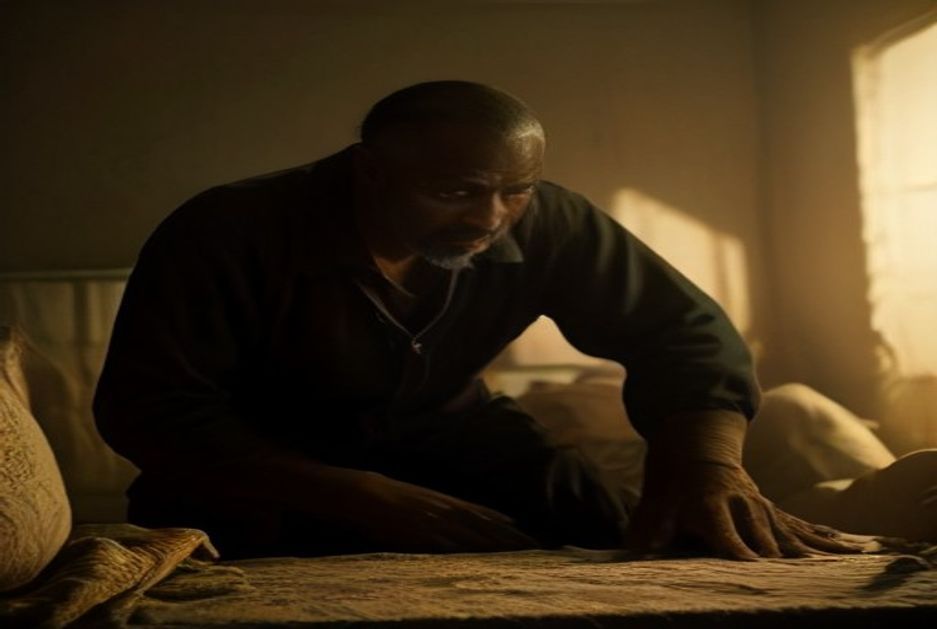

When Carlos Sánchez Villa packed his belongings in early 2026 for what he believed would be a routine check-in with federal immigration authorities, he never imagined the journey would end with him stepping off a plane on a continent where he had never set foot before. Five years of building a life in Texas, raising his children, and holding a work permit suddenly collapsed in a single afternoon, leaving him stranded thousands of miles from the people he loves most.
Sánchez Villa had been living in the United States under Temporary Protected Status, a humanitarian designation the U.S. government grants to citizens of countries experiencing armed conflict, natural disasters, or other extraordinary conditions. The program, established in 1990, has historically offered a legal lifeline to hundreds of thousands of people who would otherwise face deportation to nations overwhelmed by crisis. For Sánchez Villa, the designation had allowed him to work legally, renew his driver’s license, and build the kind of stable household he had dreamed about for years.
Now, from a city in Africa where he is still adjusting to an unfamiliar language, climate, and culture, the father of a Texas family says he refuses to give up. In a recent interview with El Diario NY, he spoke in measured words about the pain of separation and the stubborn hope that he will one day hold his children again.
“I have not lost hope,” Sánchez Villa said softly, his voice steady despite the exhaustion that comes from months of uncertainty. “Every night I think about my wife and my children, and I tell myself that there has to be a way back to them. I cannot accept that this is the end of our story.”
His wife and their children remain in Texas, where the family had built a network of friends, school connections, and community ties over half a decade. According to those familiar with the case, the children have struggled with the sudden absence of their father, and his wife has been working extended hours to keep the household afloat while fielding calls from attorneys, immigration advocates, and family members abroad.
The circumstances of Sánchez Villa’s removal have drawn attention from immigration advocates who argue that his case reflects a broader pattern of confusion and inconsistency in how Temporary Protected Status holders are treated. While the program is, by design, temporary, advocates say many recipients live in the United States for years under its protection, only to face sudden reversals when administrations change or when political priorities shift. The human cost, they say, is rarely reflected in policy debates in Washington.
For Sánchez Villa, the legal terminology matters less than the daily reality of waking up in a foreign country without his family. He describes the difficulty of finding work in an unfamiliar economy, of communicating in a language he never expected to need, and of confronting the loneliness that comes from being separated from the people who define his sense of purpose. The evenings, he says, are the hardest. That is when the children would normally be doing homework at the kitchen table, and he would be asking about their day. Now, instead, he sits in a small rented room and scrolls through old photographs on his phone.
Legal advocates working with deported TPS holders say cases like Sánchez Villa’s are not isolated. Across the country, families are grappling with the fallout of removal proceedings that move quickly and offer limited opportunity to mount a full defense, especially when the individual in question has limited English proficiency, few financial resources, and no prior experience navigating the U.S. immigration court system. Many families report that they were given only hours to say goodbye before their loved one was placed on a charter flight bound for a country they may have left as children or, in some cases, never known at all.
For Sánchez Villa, there are no easy answers. He is exploring whether humanitarian parole, family-based petitions, or other legal avenues might offer a path back to Texas. Attorneys familiar with TPS-related removals caution that such cases can take years to resolve, if they are resolved at all. In the meantime, his family continues to wait, holding onto the same hope he carries across the ocean.
What is certain, Sánchez Villa says, is that he will not stop fighting. His children, he insists, deserve to grow up with their father nearby, and his wife deserves a partner who can sit beside her at the dinner table rather than call her from another continent. The geography may have changed, but the goal, he says, has not.
“They are my reason for everything,” he said. “And as long as I am breathing, I will keep looking for a way home.”