
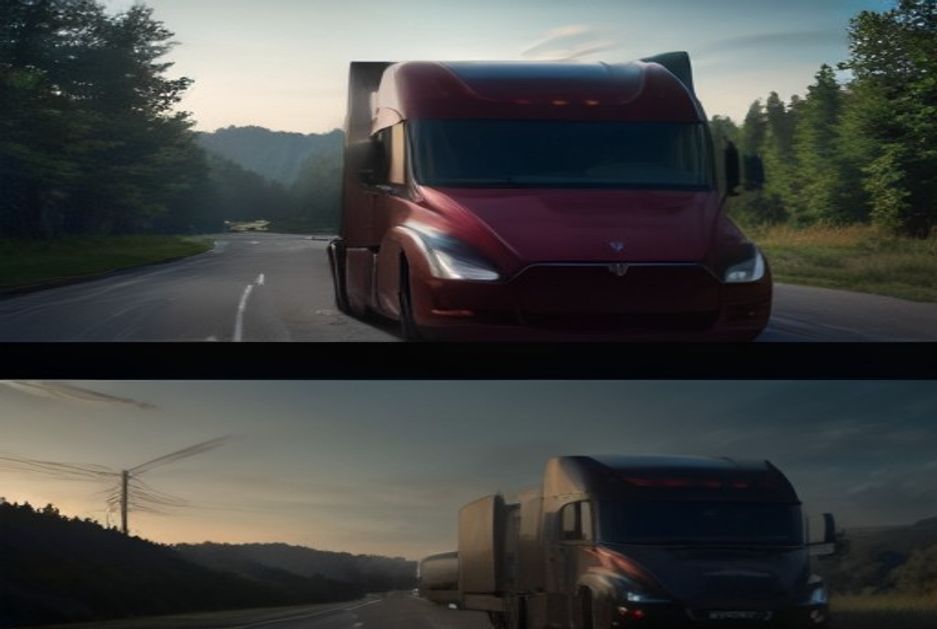

Tesla has finalized what industry analysts are calling its largest commercial agreement for the electric Semi truck program, securing an order for 500 units that will be integrated into Amazon’s growing fleet of delivery vehicles across the United States. The deal represents a significant milestone for Tesla’s alternative-energy trucking division, which has been working to establish a foothold in the heavy-duty commercial transport sector since first unveiling the Semi concept in 2017.
The agreement, announced through Tesla’s official channels this week, marks a pivotal moment for both companies as they navigate the complex landscape of sustainable logistics. Amazon, which has committed billions of dollars to electrifying its delivery operations as part of its Climate Pledge initiative, will deploy the Tesla Semis across various distribution hubs and last-mile delivery routes throughout North America. The first vehicles are expected to begin rolling off production lines later this year, with deliveries scheduled to commence in early 2027.
Industry experts note that the partnership underscores a broader shift in the commercial transportation sector toward zero-emission alternatives. Tesla’s Semi, which promises ranges of up to 500 miles on a single charge and features advanced autopilot capabilities, has been positioned as a solution for companies looking to reduce their carbon footprints while maintaining operational efficiency. The vehicle’s aerodynamic design and proprietary battery technology have drawn attention from fleet operators who have historically been hesitant to transition away from diesel-powered trucks.
For Tesla, the 500-unit order provides a substantial boost to its manufacturing ambitions and offers valuable real-world data that could inform future iterations of the vehicle. The company has faced repeated delays in ramping up Semi production, citing supply chain challenges and the complexity of scaling battery manufacturing for heavy-duty applications. However, recent developments at Tesla’s Gigafactory in Nevada suggest that the company may finally be approaching the production volumes necessary to meet growing demand from major logistics providers.
Amazon’s decision to partner with Tesla comes amid increasing regulatory pressure on large corporations to adopt cleaner transportation methods. The company has previously invested in electric delivery vans from Rivian and has been testing autonomous delivery robots in select markets. The addition of Tesla Semis to its fleet signals a diversification strategy that leverages multiple suppliers rather than relying on a single source for electric commercial vehicles.
Financial analysts estimate that the 500-truck order could be worth several hundred million dollars, depending on final pricing and configuration details. Tesla has not disclosed the specific terms of the agreement, though it is understood that the deal includes service and maintenance provisions as well as access to Tesla’s expanding network of Megachargers designed specifically for the Semi platform.
The collaboration also highlights the growing convergence between technology companies and traditional logistics firms. Tesla’s expertise in battery systems and software integration, combined with Amazon’s vast distribution infrastructure and operational scale, creates a partnership that could accelerate the adoption of electric trucks across the industry. Other major retailers and freight companies are reportedly watching the rollout closely, as successful implementation could pave the way for larger orders and expanded deployment.
Environmental advocates have praised the initiative while cautioning that the true impact will depend on how the vehicles are powered. If the electricity used to charge the Semis comes from renewable sources, the environmental benefits could be substantial. Tesla has indicated plans to power its Megacharger network using solar installations and battery storage systems, though the extent to which this infrastructure will be available along Amazon’s delivery routes remains to be seen.
Both companies face challenges in bringing the vehicles to market at scale. Supply constraints for critical components such as lithium and semiconductors continue to affect production timelines across the automotive industry. Additionally, questions remain about driver training, maintenance protocols, and the readiness of existing infrastructure to support a large influx of electric trucks.
Nevertheless, the agreement represents one of the most significant commitments to electric commercial transport to date. As more companies seek to align their operations with sustainability goals, partnerships like the one between Tesla and Amazon may become increasingly common, potentially reshaping the future of goods movement across North America.
Tesla has not provided a timeline for when additional orders of similar magnitude might be expected, but industry observers suggest that the success of this initial deployment could influence purchasing decisions among other major fleet operators. The company’s ability to deliver on its promises regarding performance, reliability, and charging infrastructure will likely determine whether the Semi can achieve the same level of market disruption that Tesla’s consumer vehicles have enjoyed.




