
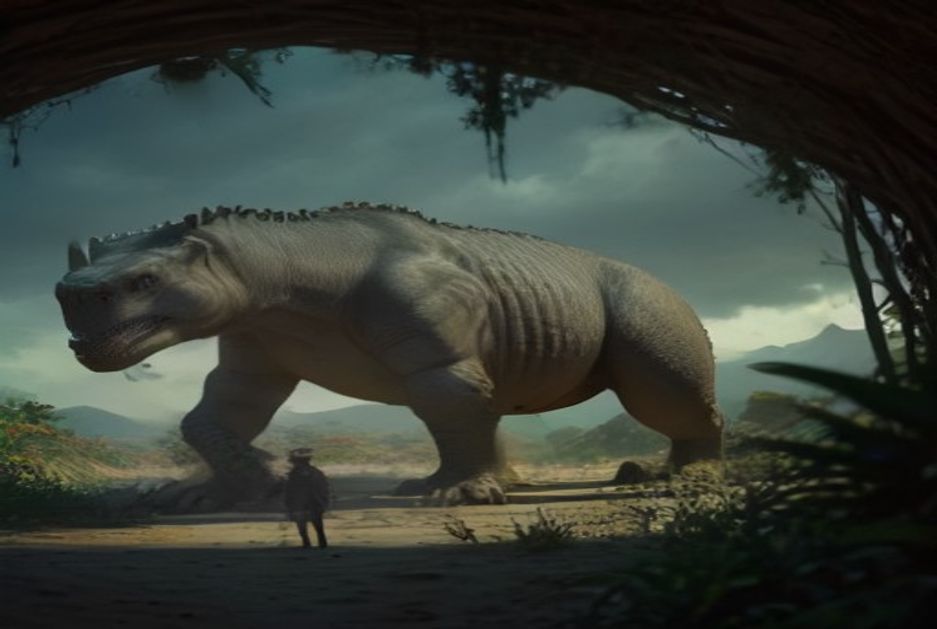

The Natural History Museum of Los Angeles County is preparing to host one of its most popular annual gatherings this Sunday, as Dino Fest transforms the Exposition Park institution into a playground for dinosaur enthusiasts of all ages. The event has become a signature late-summer tradition for families, educators, and amateur paleontologists across Southern California, offering a hands-on way to engage with the museum’s world-renowned fossil collections and ongoing research.
Dino Fest typically features a wide array of activities designed to bring the Mesozoic era to life. Visitors can expect live paleontology demonstrations, fossil preparation workshops, and opportunities to meet the working scientists whose discoveries shape modern understanding of prehistoric life. The museum’s dinosaur halls, which house one of the most extensive collections of Late Cretaceous dinosaur fossils in the United States, serve as the centerpiece of the celebration. Among the most iconic specimens on display is the growth series of Tyrannosaurus rex, a unique exhibit that allows guests to compare the skulls of juvenile, subadult, and fully grown T. rex specimens side by side, illustrating how the apex predator changed dramatically as it matured.
Beyond the permanent galleries, Dino Fest is known for its interactive programming. Children and adults alike can participate in mock digs, examine replica fossils, and attend talks led by museum curators. The event also frequently highlights the institution’s commitment to citizen science, inviting attendees to contribute to ongoing projects such as photographing and cataloging specimens in the field. Such programs reflect a broader trend in natural history institutions nationwide, which have increasingly turned to public participation as a way to expand research capacity and foster deeper connections with local communities.
The Natural History Museum of Los Angeles County, founded in 1913, is the largest natural and historical museum in the western United States, with a collection that includes more than 35 million specimens spanning 4.5 billion years of natural history. Its paleontological holdings are particularly significant, with researchers from the museum having led or contributed to groundbreaking discoveries across the American West, Mexico, and beyond. Events like Dino Fest offer the public a window into this work, demystifying the process of science and highlighting the detective work that goes into reconstructing ancient ecosystems from fragmentary evidence.
Sunday’s celebration arrives at a particularly active moment for dinosaur research in North America. Paleontologists have in recent years announced major finds that have reshaped understanding of dinosaur diversity, behavior, and extinction. New species continue to be described at a steady pace, and advances in imaging technology have allowed researchers to peer inside fossils without damaging them, revealing details about growth, disease, and biomechanics that would have been invisible to earlier generations of scientists. Institutions like the Los Angeles museum have been at the forefront of applying these technologies, using CT scanning and other tools to study specimens already in their collections.
For families planning to attend, the event is also an opportunity to explore the wider offerings of Exposition Park, a cultural hub that includes the California Science Center, the California African American Museum, and the Los Angeles Memorial Coliseum. Many visitors make a day of it, combining Dino Fest with stops at neighboring attractions or simply enjoying the park’s outdoor spaces. Food vendors, educational booths, and activity stations typically line the museum’s plazas during the festival, creating a carnival-like atmosphere that complements the more scholarly programs inside.
Organizers often emphasize accessibility as a core part of Dino Fest’s mission. Discounted or free admission programs are frequently available for low-income families, and the museum has worked to ensure that its programming reaches audiences across the diverse communities of greater Los Angeles. In a city where more than 200 languages are spoken and where economic disparities can limit access to cultural institutions, such efforts are seen as essential to fulfilling the museum’s public mandate.
As interest in paleontology continues to grow — fueled in part by streaming documentaries, viral fossil discoveries, and the enduring appeal of dinosaurs across generations — events like Dino Fest are likely to remain a vital point of entry for curious minds. Whether attendees come for the towering mounted skeletons, the chance to ask a real paleontologist a question, or simply the joy of seeing a child’s face light up at the sight of a life-sized dinosaur, the festival offers something rare: a shared cultural moment that bridges science, education, and wonder.
Those interested in attending this Sunday’s Dino Fest are encouraged to check the Natural History Museum of Los Angeles County’s official website for updated schedules, ticketing information, and any health and safety guidelines that may be in effect for the event.