
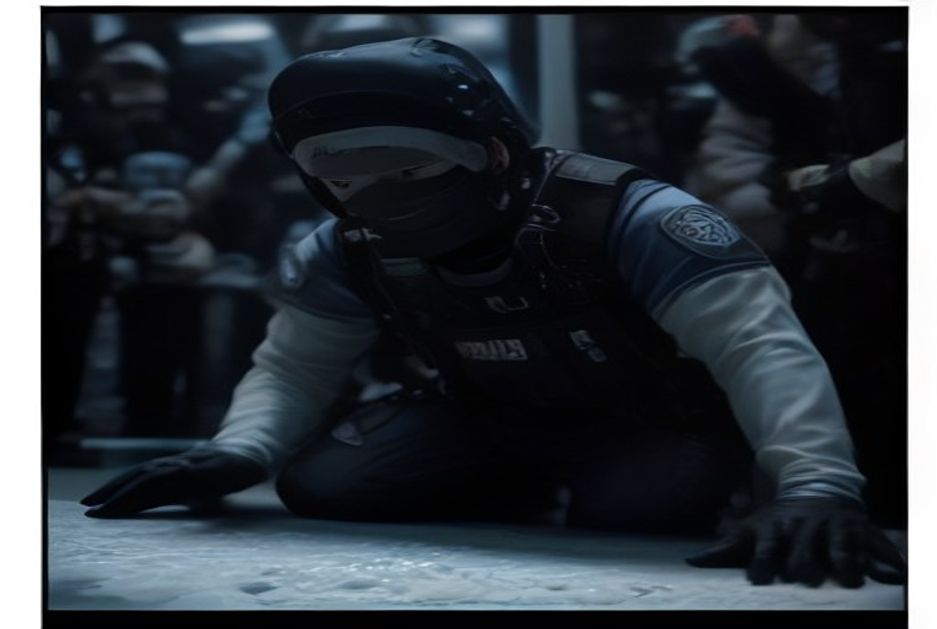

A busy week for U.S. immigration enforcement brought a mix of high-profile arrests, a death in custody, expanded airport operations, and new equipment for Immigration and Customs Enforcement officers, underscoring the breadth of activity across the federal immigration apparatus.
Federal agents carried out several arrests this week that drew attention because some of those detained were U.S. citizens, a detail that immigration attorneys say is increasingly common as enforcement actions expand beyond the usual parameters. Legal experts note that while most immigration raids target non-citizens without valid status, the inclusion of citizens in sweeps has raised questions about due process and the scope of federal authority.
One case that gained traction online involved a citizen who was detained during a workplace raid. According to court documents, the individual was released after authorities confirmed citizenship status, but not before spending time in a local detention facility. Advocates argue that misidentification and rushed field operations are contributing to confusion and unnecessary hardship for American citizens caught in the dragnet.
Tragically, the week also saw a death under custody, prompting renewed scrutiny of conditions inside immigration detention centers. The individual, whose identity has not yet been released pending family notification, died at a facility in the Southwest. A spokesperson for the Department of Homeland Security said the death is under investigation by internal affairs and that “all available resources are being used to determine the circumstances.”
This marks at least the second custody-related death reported in recent months, reigniting debates over medical care, oversight, and transparency within the immigration detention system. Lawmakers from both parties have called for briefings, while immigrant rights groups are demanding independent investigations and structural reforms.
In another development, ICE announced expanded operations at major airports, where agents have stepped up enforcement activities targeting individuals suspected of immigration violations. The agency said the increase in airport arrests reflects a broader strategy to intercept removable aliens before they can travel further into the interior of the country. Officials emphasized that airport operations rely heavily on biometric databases and real-time alerts to identify suspects.
Legal observers say the shift toward airport enforcement mirrors tactics used in previous administrations but appears more frequent under current directives. Critics, however, argue that conducting raids in public spaces like terminals creates fear among immigrant communities and may discourage lawful travelers from exercising their rights during routine encounters.
Perhaps one of the more unusual developments came in the form of new gear issued to ICE field agents: conductive gloves designed to assist in situations requiring control of resistant individuals. The gloves, which deliver a mild electrical current, are intended for use in self-defense scenarios and are part of a broader update to agent equipment standards. DHS confirmed the gloves were distributed to select units earlier this year and are now being rolled out more widely.
“Officer safety remains our top priority,” said a DHS official familiar with the program. “These tools provide agents with additional options when facing potentially dangerous situations.” Civil liberties groups have expressed concern over the use of electro-conductors by immigration officers, citing past incidents where similar devices were involved in contentious arrests. They are calling for strict guidelines and mandatory reporting of all uses.
The week’s developments also included policy-level changes, with U.S. Citizenship and Immigration Services announcing procedural updates aimed at reducing backlogs in asylum applications. Officials said the changes include streamlined interview scheduling and enhanced digital case tracking, though advocacy organizations remain skeptical about whether the adjustments will meaningfully speed up processing times for vulnerable applicants.
Additionally, new directives were issued regarding consular access for detained migrants, requiring field directors to notify local consulates within 48 hours of a foreign national’s arrest. The move follows pressure from diplomatic partners and international human rights bodies urging better communication channels in immigration cases.
Political reactions have been swift and divided. Republican lawmakers have praised the aggressive enforcement posture, calling it necessary to uphold the rule of law. Democrats, meanwhile, have criticized the administration for what they describe as a “culture of intimidation” that targets families and communities without adequate safeguards.
Several court cases stemming from this week’s arrests are expected to move forward in the coming days, potentially setting new precedents around citizen detention, airport enforcement, and the use of force by immigration officers. Legal analysts say the outcomes could influence how federal agencies operate in the months ahead, particularly as Congress continues to debate comprehensive immigration reform.
For now, community leaders are advising residents—especially those with mixed documentation status or citizen family members—to know their rights and seek legal counsel if approached by immigration authorities. As the national conversation around immigration continues to evolve, this week’s events serve as a reminder of the complex intersection between policy, enforcement, and lived experience in America’s ongoing struggle to balance security and humanity.