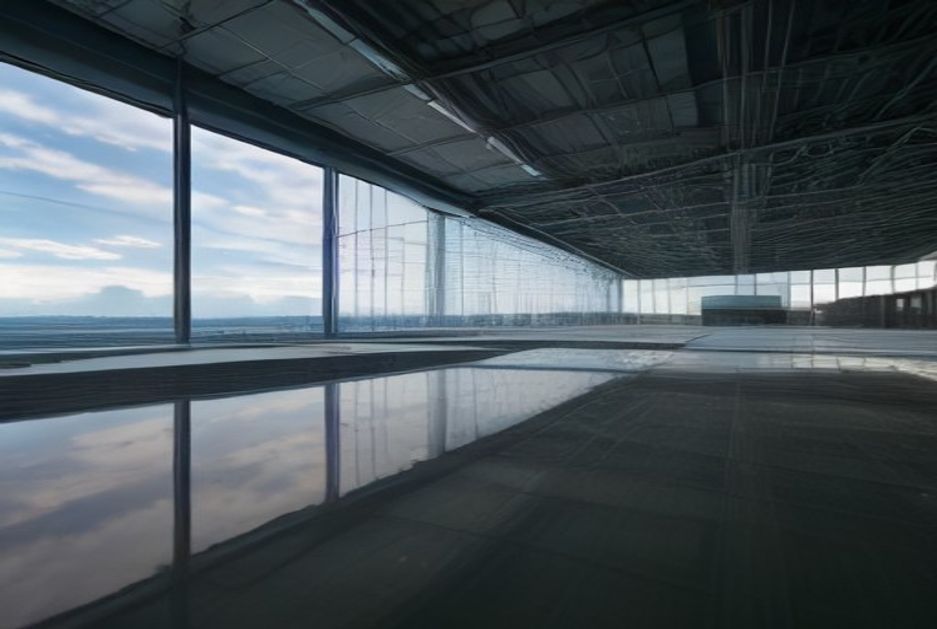

NEW YORK — As the Jacob K. Javits Convention Center in Manhattan celebrates its 40th anniversary this year, the sprawling complex stands as a testament to the evolution of large-scale event spaces in one of the world’s most demanding urban environments. Originally opened in 1986 amid much fanfare, the venue has undergone significant renovations, embraced cutting-edge sustainability practices, and remained a cornerstone of New York City’s economic engine despite shifting trends in how people gather and conduct business.
Spanning over two million square feet along the West Side Highway, the Javits Center is more than just a convention hall — it is a symbol of New York’s adaptability. Over the past four decades, it has hosted thousands of events ranging from trade shows and corporate meetings to political rallies and cultural exhibitions. Its footprint covers 29 acres, making it one of the largest convention centers in the United States, and its impact on local employment and commerce has been substantial.
The center employs hundreds of full-time staff and supports thousands of additional jobs through vendors, contractors, security personnel, and service providers who rely on the steady stream of events held within its walls. From fashion weeks to tech expos, the building pulses with activity that fuels sectors across hospitality, transportation, retail, and food service throughout the region.
In recent years, however, the landscape of conventions and conferences has shifted dramatically. The rise of remote work and virtual meetings has led to a measurable decline in traditional business travel. Many companies have opted for hybrid or fully digital formats, reducing demand for physical gathering spaces. Yet rather than retreating, the Javits Center has doubled down on innovation — particularly in sustainability.
A major renovation project completed in phases over several years modernized the facility’s infrastructure, replacing outdated systems with energy-efficient alternatives. Solar panels now dot portions of the roofline, while smart HVAC systems regulate temperature with greater precision. These upgrades have significantly lowered energy consumption compared to earlier decades, aligning the venue with broader citywide goals around carbon neutrality and green building standards.
The commitment to environmental stewardship extends beyond machinery. The center has implemented waste reduction programs, partnered with local organizations to donate leftover food from events, and worked to reduce single-use materials during large gatherings. It also prioritizes sourcing from minority-owned and women-owned businesses when selecting suppliers and contractors.
“We recognize our role not only as hosts but as stewards,” said a spokesperson familiar with the center’s operations. “Every decision we make impacts the surrounding community and the planet. That responsibility drives many of our choices today.”
Looking ahead, the Javits Center continues to position itself as a leader in sustainable event management. Plans are reportedly underway to further integrate renewable technologies and explore partnerships with clean energy providers. There is also growing interest in developing flexible layouts that can accommodate both massive trade shows and smaller, niche gatherings — a reflection of the changing needs of exhibitors and attendees alike.
City officials have praised the center’s efforts, noting that its continued success contributes meaningfully to New York’s post-pandemic recovery. Tourism revenues tied to major conventions and exhibitions help sustain neighborhoods beyond Midtown, drawing visitors into restaurants, hotels, and shops across boroughs.
Despite ongoing challenges posed by evolving workplace norms and global uncertainty, the Javits Center remains optimistic about its future. As it enters its fifth decade, the facility appears poised to evolve alongside the industries it serves — balancing legacy with forward momentum, and tradition with transformation.
For now, though, there’s reason to pause and reflect. Four decades after first opening its doors, the Javits Center isn’t merely aging — it’s adapting, innovating, and reimagining what a modern convention space can be in an ever-changing world.