

Washington — As the United States navigates an increasingly tense standoff with Iran, a growing number of President Donald Trump’s most ardent supporters are expressing frustration with the administration’s approach to the conflict. While the White House continues to frame its posture toward Tehran as measured and strategic, recent polling data suggests that even core MAGA voters are beginning to show signs of war fatigue.
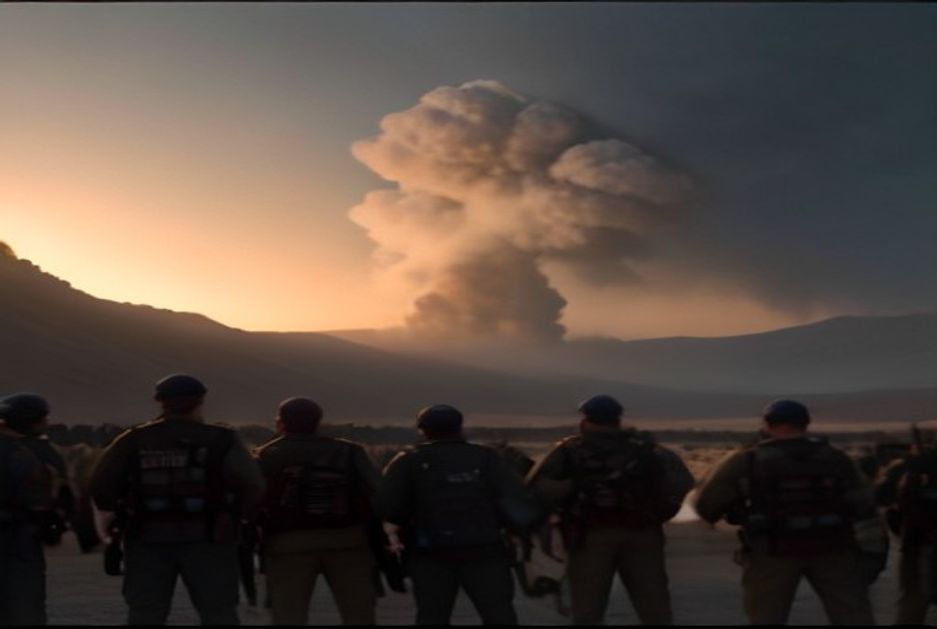
The shift in sentiment comes as the administration faces mounting criticism over its handling of a series of provocative military maneuvers in the Persian Gulf, including naval drills and drone patrols that Iran has repeatedly condemned as threatening. Though the White House maintains that these actions are defensive in nature, the rhetoric from both sides has grown sharper in recent weeks, raising concerns among foreign policy analysts about the potential for miscalculation.
Survey data released this week by a bipartisan research firm indicates that approval ratings for Trump’s Iran policy have slipped notably among Republican-leaning independents and conservative voters who backed him in the previous election. While overall job approval among Republicans remains relatively stable, the margin of support for the administration’s foreign policy decisions has narrowed, particularly in key swing states where economic concerns have begun to overshadow national security messaging.
Political strategists note that the erosion of enthusiasm among MAGA supporters reflects broader unease about the costs — both financial and diplomatic — of sustained military engagement abroad. Many of these voters were drawn to Trump’s campaign promise to end “endless wars,” and the current situation in the Middle East appears to be testing that commitment. Interviews conducted in rural Ohio and Georgia reveal a pattern of voters who feel torn between loyalty to the president and growing skepticism about the direction of U.S. foreign policy.
“I voted for Trump because he said he’d bring our troops home,” said one retiree from Macon, Georgia, who requested anonymity due to his ongoing employment with a defense contractor. “But now it feels like we’re getting pulled into something bigger, and nobody’s really explaining why.”
The administration has attempted to counter criticism by highlighting what it describes as successful deterrence efforts, pointing to a reduction in Iranian-backed attacks on U.S. forces in Iraq and Syria. However, critics argue that the current strategy lacks long-term clarity and risks entangling the country in another protracted conflict without a defined exit strategy.
Senate Foreign Relations Committee Chairman James Risch, a Republican from Idaho, recently called for greater transparency from the White House regarding its objectives in the region. “We need to know what success looks like,” Risch said during a closed-door briefing last week. “And right now, that picture isn’t very clear.”
Meanwhile, Democratic leaders have seized on the apparent divide within the president’s base to press for congressional oversight of military operations in the region. House Speaker Nancy Pelosi has suggested that the administration may be approaching the bounds of its constitutional authority without explicit authorization from Congress, a charge the White House has dismissed as partisan grandstanding.
The tension between maintaining party unity and addressing voter concerns has placed Republican lawmakers in a delicate position. Several senators and representatives have privately expressed worry about the political fallout of a prolonged confrontation with Iran, especially if it leads to a spike in energy prices or disruptions to global supply chains. At the same time, they remain cautious about publicly challenging a president who still commands strong loyalty among the party’s grassroots base.
Foreign policy experts say the current moment underscores the challenges facing any administration seeking to balance assertive diplomacy with domestic political realities. “Presidents often learn the hard way that foreign policy decisions made in the Oval Office don’t always translate smoothly to Main Street,” said Dr. Elena Martinez, a senior fellow at the Brookings Institution. “When voters start questioning whether their leaders are acting in their interest, it can create ripple effects that extend far beyond the ballot box.”
For now, the administration appears intent on maintaining its current course, even as it grapples with signs of restlessness among its most loyal supporters. Whether this dynamic will influence future policy decisions remains to be seen, but it adds another layer of complexity to an already volatile international landscape.