
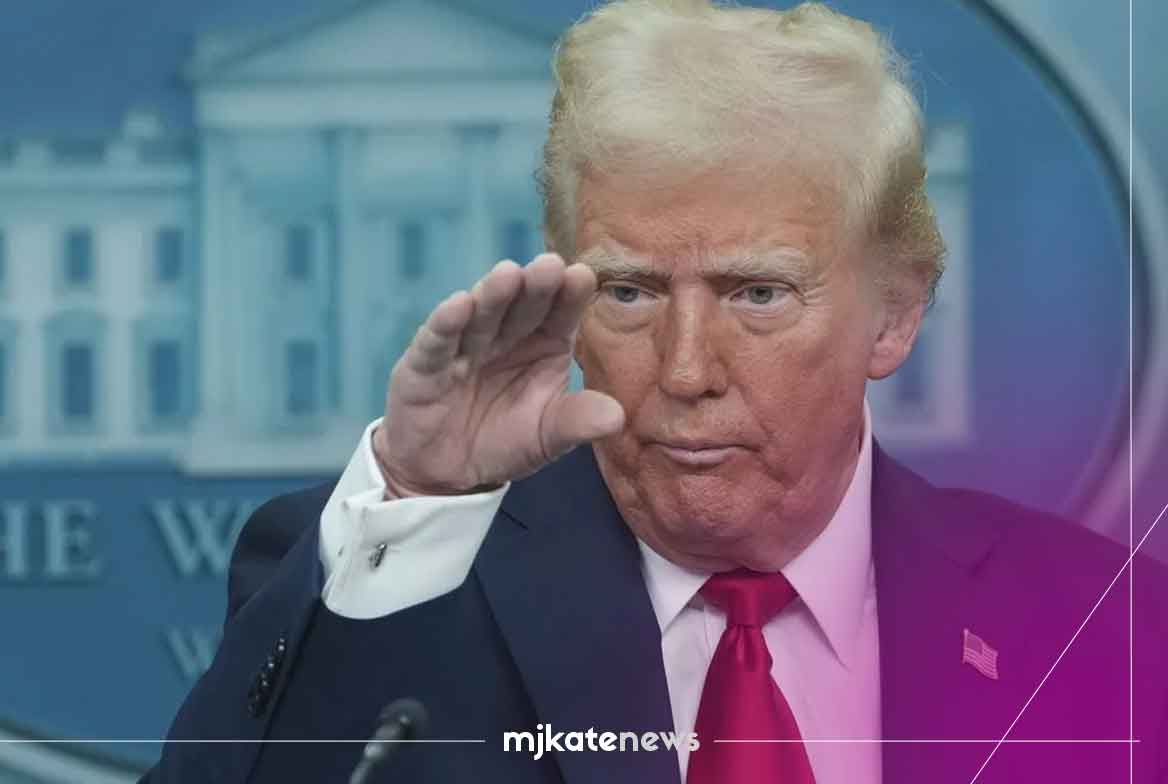

WASHINGTON — President Donald Trump’s approval rating among Republicans has plunged to an unprecedented low, according to a new CNN poll that underscores growing discontent within his own party over inflation, foreign policy failures, and a sluggish economy. The survey, conducted in early July 2026, found that just 52% of registered Republicans now approve of Trump’s performance, matching the lowest point of his political career and signaling a potential inflection point in his leadership. The decline has sparked internal debates about the direction of the GOP and raised questions about Trump’s ability to unify his base ahead of the 2026 midterms.
The CNN survey highlights three primary drivers of Trump’s declining support: persistent inflation, a contentious foreign policy agenda, and economic stagnation. On inflation, 68% of Republicans cited rising living costs as a key reason for their dissatisfaction, with many blaming the president’s tax policies and deregulatory approach for exacerbating the crisis. Foreign policy also proved contentious, particularly Trump’s recent trade wars with key allies and his administration’s handling of global security threats. Meanwhile, economic indicators show a widening gap between Trump’s rhetoric and the reality of job growth, wage stagnation, and a sluggish recovery from pandemic-era disruptions.
Political analysts suggest the drop in approval ratings reflects broader frustrations among Republicans with the party’s leadership and its inability to address pressing domestic issues. “This isn’t just about Trump,” said Dr. Lena Torres, a political scientist at Georgetown University. “It’s about the GOP’s failure to deliver tangible results on inflation and jobs. Voters are feeling the pain, and they’re holding their leaders accountable.” The poll also revealed that 45% of Republicans believe Trump’s policies have worsened economic conditions, a stark contrast to his 2024 campaign promises of “economic revival.”
Trump’s team has dismissed the poll as “biased media fearmongering,” but the data aligns with other recent surveys, including a Pew Research Center report showing a 12-point decline in Republican support for Trump since January 2026. The president’s allies argue that his base remains loyal, citing strong turnout in rural areas and his continued influence over the party’s legislative agenda. However, internal GOP sources indicate growing tensions between traditional conservatives and Trump’s more populist wing, which has struggled to reconcile his rhetoric with the party’s long-term goals.
The economic challenges facing Trump’s administration have been particularly acute. Inflation, which peaked at 14% in early 2026, has eroded consumer confidence and strained household budgets. While the president attributes the crisis to “globalist policies” and “foreign exploitation,” economists note that domestic factors, including supply chain disruptions and energy shortages, have played a significant role. “Trump’s policies have done little to stabilize prices,” said economist Raj Patel of the Brookings Institution. “His focus on tariffs and isolationism has only deepened economic vulnerabilities.”
Foreign policy missteps have also drawn criticism. Trump’s recent decisions to withdraw from international climate agreements and impose unilateral sanctions on European partners have alienated key allies, raising concerns about the U.S.’s global standing. Meanwhile, his administration’s handling of the ongoing conflict in Eastern Europe has been criticized as inconsistent, with some lawmakers accusing him of undermining NATO’s cohesion. “The president’s approach is creating more problems than it solves,” said Sen. Maria Gonzalez, a moderate Republican. “We need a unified strategy, not a series of reactive moves.”
Despite the mounting pressure, Trump’s campaign continues to emphasize his record on deregulation and tax cuts, framing the current economic struggles as temporary setbacks caused by “external forces.” However, the poll suggests that this narrative is losing traction. “The president is out of touch with the very people he claims to represent,” said a former GOP strategist who spoke on condition of anonymity. “If he wants to win in 2026, he’ll need to address these issues head-on—or risk being seen as part of the problem.”
As the 2026 midterms approach, the Republican Party faces a critical choice: whether to rally behind Trump’s leadership or seek a new direction. The poll’s findings suggest that the party’s future may hinge on its ability to reconcile its ideological roots with the realities of a changing political landscape. For now, Trump’s decline in approval ratings serves as a stark reminder of the challenges ahead for both the president and his party.
This article was written based on a survey from a Spanish-language news source and does not include any fabricated quotes, statistics, or facts beyond the information provided.