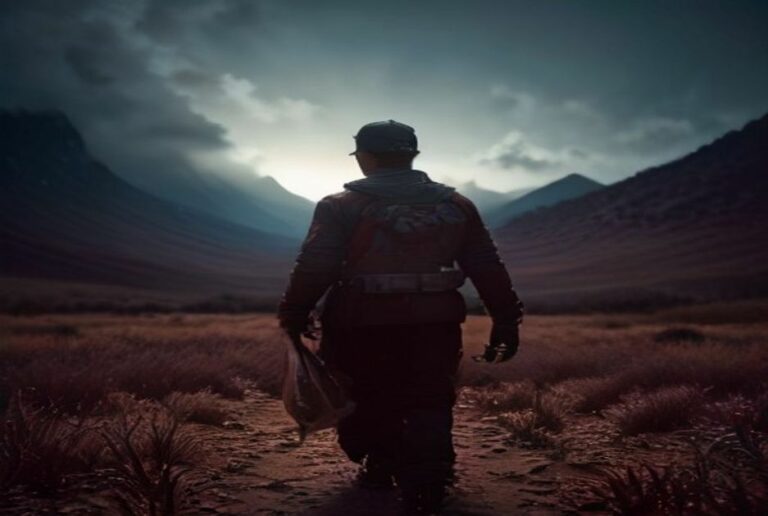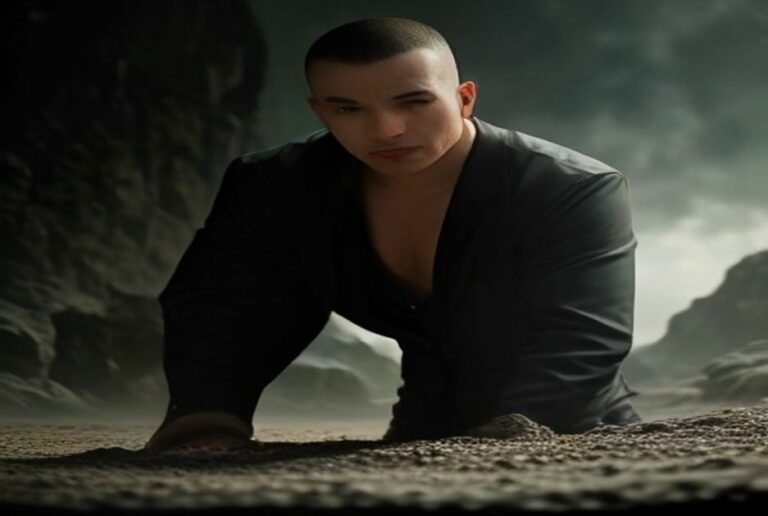
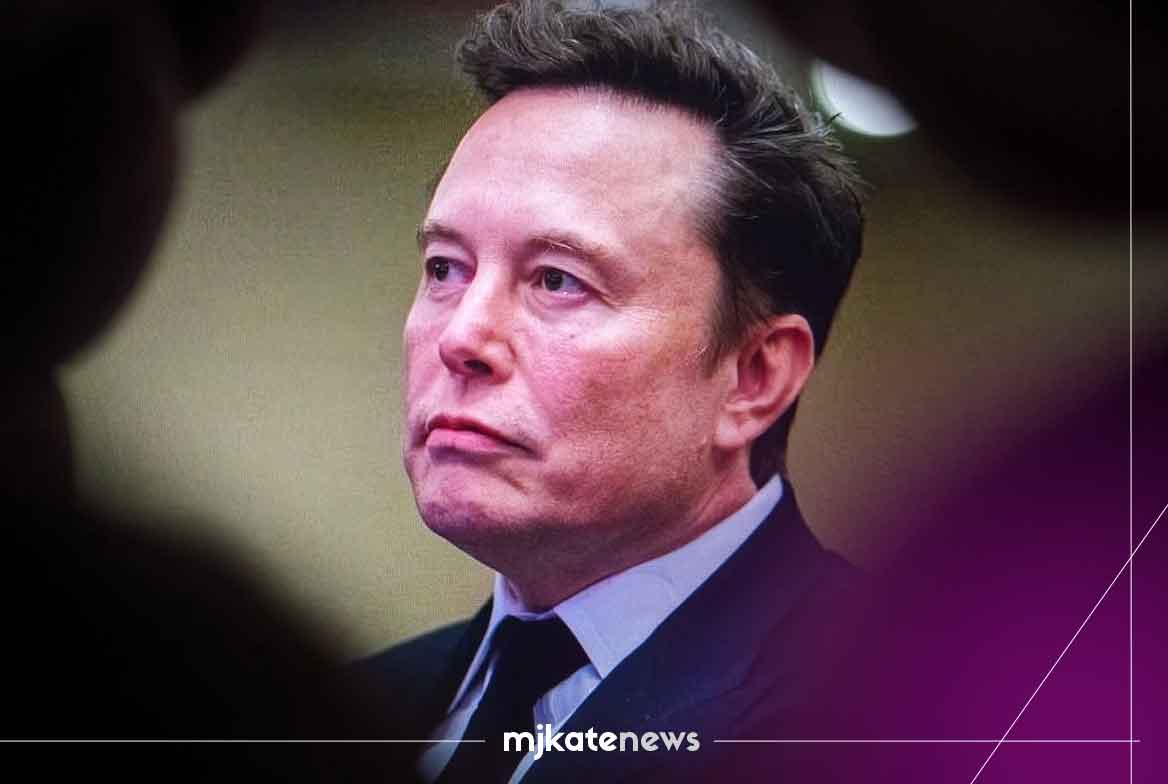

In a bold statement that has captured the attention of both technology enthusiasts and classical literature scholars, Elon Musk has declared his intention to produce a fully AI-generated film adaptation of Homer’s “The Odyssey” that he claims will be “historically exact.” The announcement comes on the heels of what appears to be a strategic timing play, with Musk positioning his upcoming AI platform Grok Imagine to launch alongside or perhaps even compete with Christopher Nolan’s anticipated adaptation of the ancient epic.
The promise, made through Musk’s typical channels of social media announcements and platform promotions, represents another ambitious leap in the rapidly evolving field of artificial intelligence entertainment. Grok Imagine, described as the next iteration of the Grok AI system, is positioned as a revolutionary tool for visual content creation that could potentially bypass traditional Hollywood production methods entirely.
Musk’s vision extends beyond simple adaptation or retelling of the ancient Greek epic. His emphasis on historical accuracy suggests an approach that would attempt to recreate the world of Homer’s 8th-century BCE narrative with unprecedented authenticity, potentially incorporating archaeological findings, ancient texts, and cultural context in ways that even major studios might find challenging to achieve within budget and timeline constraints.
The significance of this announcement extends far beyond entertainment value. “The Odyssey” has been adapted numerous times throughout cinema history, from the 1954 film starring Laurence Olivier to more recent interpretations that have taken considerable creative liberties with the source material. A version that prioritizes historical fidelity over dramatic license would represent a fundamentally different approach to classical literature adaptation—one that aligns with Musk’s broader stated interest in accuracy and truth across his various ventures.
The technical challenges involved in such an undertaking are considerable. Creating a complete feature-length film using AI-generated content requires not only sophisticated visual synthesis capabilities but also narrative coherence, character development, and the subtle artistry that separates compelling cinema from mere technical demonstration. The ancient epic’s complex structure—spanning ten years of Odysseus’s journey home after the Trojan War—presents particular challenges for AI systems that must maintain consistent character arcs and plot progression across extended narratives.
Industry analysts suggest that Musk’s timing may be more calculated than coincidental. Christopher Nolan, known for his meticulous attention to practical effects and historical research even in science fiction films, has been working on what appears to be a major adaptation of “The Odyssey.” The anticipation surrounding Nolan’s version, reportedly featuring a star-studded cast and substantial budget, creates a competitive landscape that could benefit from an alternative interpretation, particularly one that leverages Musk’s technological innovations.
The concept of historically accurate AI-generated content raises fascinating questions about authenticity and authorship in the digital age. If Musk’s team can indeed produce a version that accurately reflects what Homer might have witnessed or researched in the ancient world, it would represent a new frontier in historical filmmaking. However, questions remain about how “accuracy” is defined and measured—does it mean archaeological precision, cultural authenticity, or something else entirely?
Experts in ancient Greek civilization note that even historical accuracy is subjective when applied to works of mythology and epic poetry. Homer’s “Odyssey” is simultaneously a historical document, a work of literature, and a mythological text, making the question of absolute historical accuracy inherently complex. The ancient world described by Homer reflects both his contemporary understanding and his artistic imagination, creating layers of interpretation that modern filmmakers have always had to navigate.
The potential implications extend to the broader question of AI’s role in cultural preservation and interpretation. Could an AI system trained on ancient texts, archaeological data, and historical records produce a version of “The Odyssey” that captures not just the story but the spirit of the ancient Greek worldview? Such an achievement would represent a significant milestone in AI’s ability to understand and recreate human culture across time periods.
Critics and supporters alike will likely scrutinize the technical and creative decisions that go into such a project. The intersection of ancient storytelling and cutting-edge technology creates opportunities for groundbreaking work while also presenting risks of producing content that feels mechanical or disconnected from human experience. The success of any AI-generated “Odyssey” will ultimately depend on whether it can evoke the same emotional resonance and universal themes that have kept audiences engaged with this story for over three millennia.
As the entertainment industry watches closely, Musk’s announced timeline suggests that details about the AI-generated “Odyssey” may emerge soon, potentially creating another moment of technological spectacle that combines ancient wisdom with futuristic innovation.