
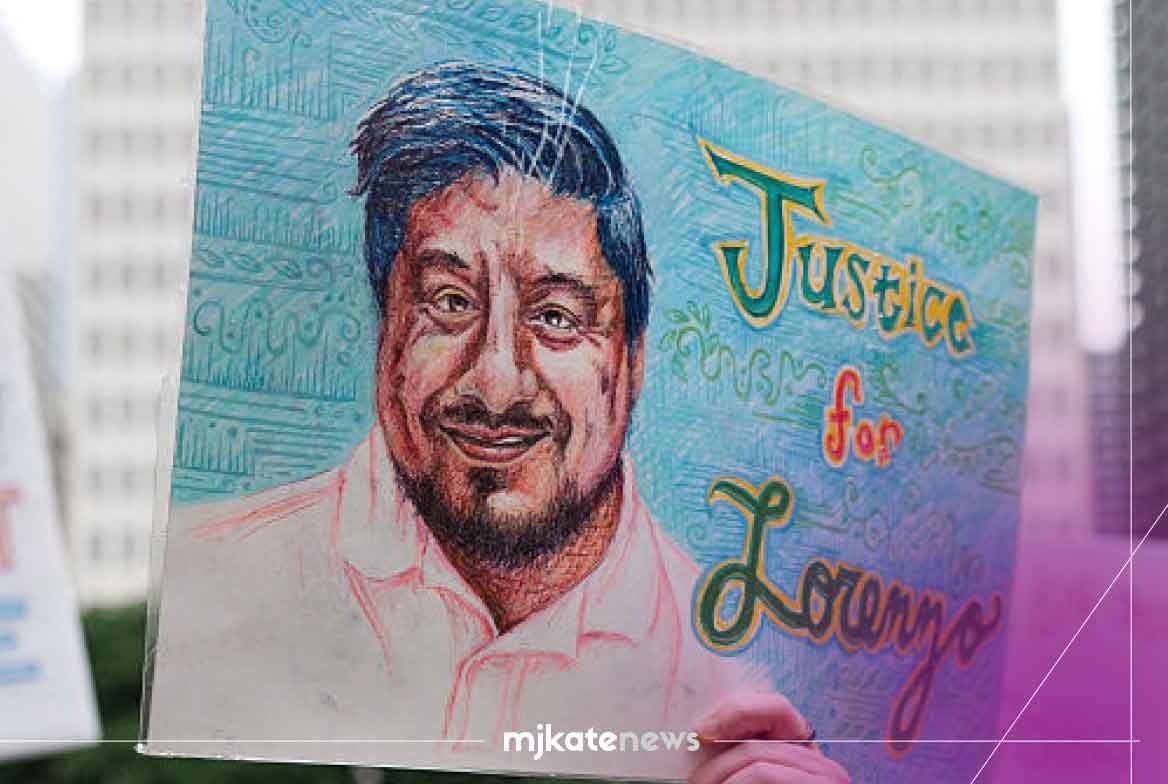

A man described as a central witness to the death of Lorenzo Salgado, a migrant whose case has drawn scrutiny from advocates and relatives alike, remains in the custody of U.S. Immigration and Customs Enforcement (ICE) despite questions raised by his family’s legal representatives. The continued detention of Víctor Salgado, brother of the deceased, has become a flashpoint in a broader conversation about how immigration enforcement intersects with pending investigations involving migrant communities.
According to the limited information made available through Spanish-language reporting, Víctor Salgado’s attorney has publicly challenged the rationale behind the Trump administration’s decision to keep him in federal custody. The lawyer, representing the brother of Lorenzo Salgado, argued that holding a key witness undermines both due process and the ability of the family to seek clarity about the circumstances of Lorenzo’s death.
Lorenzo Salgado’s passing has not received the same level of national attention as some high-profile custody deaths, yet it reflects a pattern that immigration reform organizations have documented for years: migrants and their relatives often find themselves entangled in enforcement actions at moments when they are most vulnerable. When a family member is also a potential source of testimony, detention can create a conflict between immigration objectives and the pursuit of accountability.
The United States has long maintained that ICE detention is a tool for ensuring appearance at immigration proceedings and for removing individuals who lack legal status. However, critics note that the agency’s broad discretion means that people with pending relevance to local or federal investigations can be held without immediate pathway to release, even when their testimony could serve the public interest. In the Salgado matter, the question is not only about immigration status but about whether a witness to a death should remain confined while the facts of that death are still being examined.
Víctor Salgado’s situation also highlights the legal limbo faced by many relatives of migrants who die in U.S. custody or shortly after contact with authorities. Brothers, sisters, and spouses are frequently themselves undocumented, placing them at risk of detention even as they attempt to mourn or advocate. Attorneys who work with such families say the overlap between enforcement and investigation is rarely handled with transparency, leaving communities to speculate about motives and procedures.
The Trump administration’s immigration posture has emphasized expanded detention and reduced tolerance for unauthorized presence, a stance that has drawn both support from enforcement proponents and condemnation from civil rights groups. In this context, the decision to keep Víctor Salgado detained appears consistent with a broader policy framework, though the specific justification for his continued custody has not been detailed in available reporting.
Observers note that witness detention is not unique to this administration, but the volume of ICE holds and the visibility of migrant death cases have increased political sensitivity. Congressional Democrats have previously called for independent review of custody-related deaths, while Republican lawmakers have generally defended ICE’s authority to detain based on status rather than tangential involvement in separate matters.
For the Salgado family, the practical impact is immediate. With Víctor in custody, the surviving relatives must navigate legal representation, potential consular involvement, and the emotional weight of Lorenzo’s death without the presence of a brother who may hold critical knowledge. Legal advocates argue that alternatives to detention, such as ankle monitoring or supervised release, could preserve both immigration compliance and the integrity of any inquiry into Lorenzo’s passing.
As of now, no public timeline has been provided for Víctor Salgado’s release or for the resolution of any immigration proceeding against him. The absence of detailed official comment leaves open the question of whether his detention will be revisited as the investigation into Lorenzo Salgado’s death progresses. What is clear is that the case has become another example of how immigration enforcement can complicate the pursuit of answers for migrant families in the United States.
Advocacy organizations say they will continue to monitor the situation, and some have indicated they may file inquiries with ICE or congressional offices to clarify the legal basis for the hold. Until then, Víctor Salgado remains in federal custody, a witness to a brother’s death who is himself unable to walk free.