
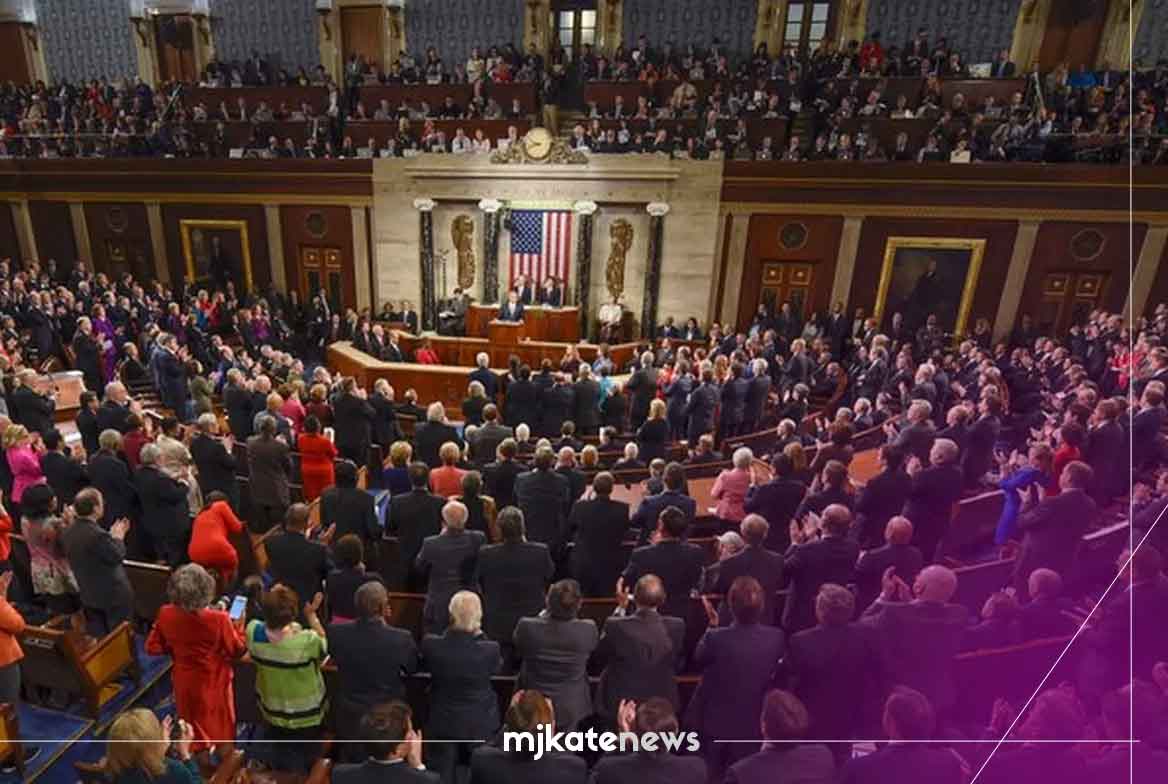

The U.S. House of Representatives has passed a bill aimed at making Daylight Saving Time a year-round observance across the country, a move that has drawn both praise and criticism from lawmakers, businesses, and health experts. The proposed legislation, known as the “Sunlight Protection Act,” would lock in the current schedule of observing Daylight Saving Time from March to November, ending the biannual clock changes that have long been a subject of public debate. The bill now heads to the Senate, where its fate remains uncertain amid partisan divisions and broader questions about federal authority over timekeeping.
The measure, introduced by Republican Representative Greg Murphy of North Carolina, has been framed as a response to growing public frustration with the confusion and disruption caused by switching clocks twice a year. Proponents argue that permanent Daylight Saving Time would align the U.S. with modern lifestyles, where most people are active during daylight hours, and reduce the health risks associated with sleep disruption. However, opponents, including some Democrats and health advocates, warn that the shift could exacerbate issues for night owls, shift workers, and people in regions with extreme seasonal daylight variations.
The bill’s passage in the House follows a similar effort in 2022, when lawmakers in both chambers approved a bipartisan bill to end clock changes permanently, only to see it stall in the Senate. This time, the legislation has gained more momentum, with some senators signaling support for the idea. However, the Senate’s 60-vote threshold for advancing the bill means it could face significant hurdles, particularly if Democratic leaders prioritize other legislative priorities over the issue.
Trump’s connection to the legislation stems from his administration’s 2018 proposal to establish permanent Daylight Saving Time, which was never enacted. While the current bill does not explicitly cite the former president, its backers have highlighted his endorsement of the idea during his presidency as a key selling point. The measure has also been linked to broader discussions about energy efficiency and economic impacts, though studies on the actual energy savings from Daylight Saving Time remain mixed. Some researchers suggest that the practice may have minimal or even negative effects on energy consumption due to increased reliance on air conditioning and lighting in the evenings.
Critics of the bill argue that the U.S. should instead adopt Standard Time year-round, which aligns with natural daylight patterns in many regions. The American Academy of Sleep Medicine has long advocated for ending the practice of clock changes altogether, citing the negative effects of sleep disruption on public health. However, the House bill does not address this alternative, focusing instead on the existing Daylight Saving Time framework. This has led to debates about whether the legislation is a pragmatic compromise or a relic of outdated policies.
If passed by the Senate, the bill would require states to adhere to the new schedule, though it includes a provision allowing states to opt out if they choose to maintain Standard Time. This flexibility has been a point of contention, with some lawmakers arguing that it undermines the bill’s intent, while others see it as a necessary concession to regional differences. The final version of the legislation will likely face amendments in the Senate, where negotiations could reshape its scope or even derail it entirely.
Public opinion on the issue remains divided. A 2023 poll by the Pew Research Center found that 52% of Americans support ending the practice of changing clocks, but the majority of those respondents expressed no strong preference for either Daylight Saving Time or Standard Time. This lack of consensus has made the bill a political tightrope, with lawmakers weighing the potential benefits of consistency against the risks of disrupting established routines. The Senate’s decision could set a precedent for how states approach timekeeping in the future, particularly as climate change alters seasonal daylight patterns in some regions.
As the bill moves to the Senate, its proponents remain optimistic that the momentum from the House vote will carry it forward. However, the path to enactment is fraught with challenges, including the need for bipartisan support and the potential for last-minute amendments. For now, the fate of America’s clocks rests in the hands of a small group of lawmakers, with the clock ticking on a proposal that could redefine how the country navigates the seasons.