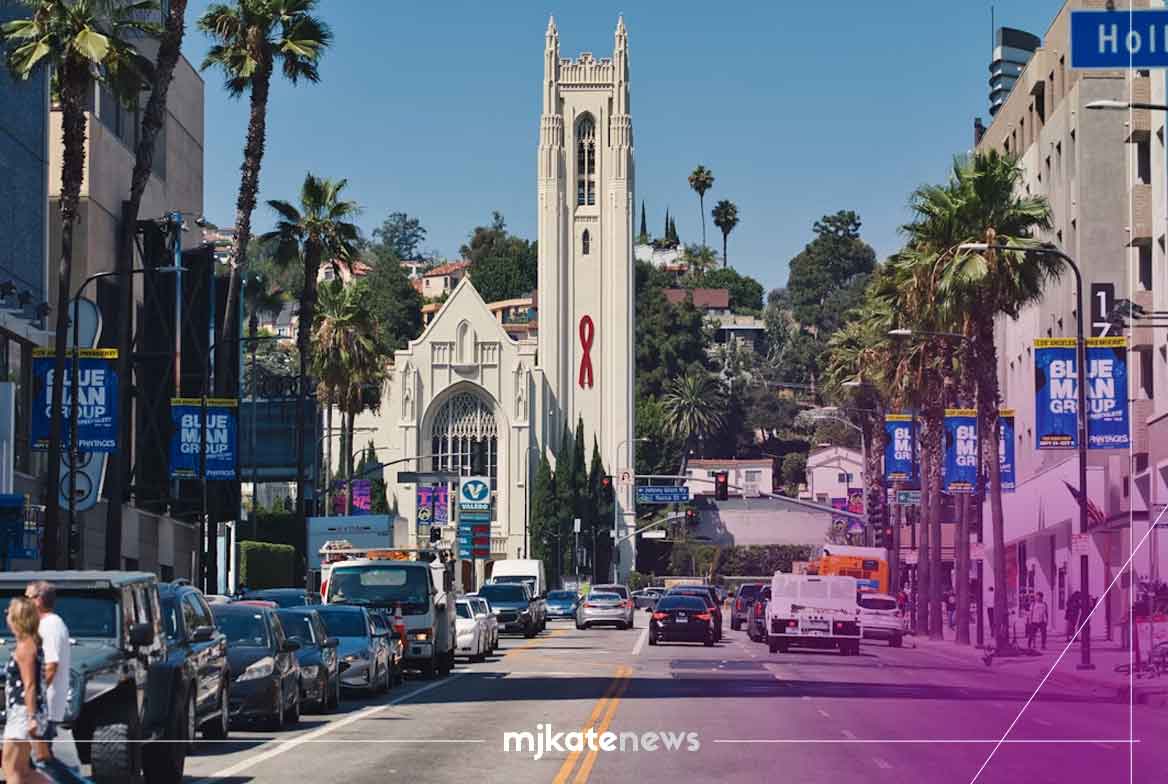

The ongoing integration of self-driving technology into the urban fabric of major American cities faced a physical setback in Los Angeles this week. An incident of targeted vandalism against a Waymo autonomous vehicle has caused significant disruption in the East Hollywood district, raising new questions about the security and vulnerability of driverless fleets operating in public spaces.
Witnesses and local reports indicate that an unidentified individual attacked one of the company’s signature robotaxis, leaving the vehicle damaged and obstructing a key thoroughfare. The incident resulted in localized traffic congestion as emergency services and security teams worked to clear the scene and secure the vehicle. While the extent of the damage to the vehicle’s sophisticated sensor suite remains a primary concern for the operator, it remains unclear whether any passengers were inside the vehicle at the precise moment the attack occurred.
Waymo, the autonomous driving unit of Alphabet Inc., has been aggressively expanding its commercial operations in Los Angeles. The company’s mission to provide a safer, more efficient ride-hailing service relies heavily on the integrity of its hardware, which includes a complex array of LiDAR, cameras, and radar sensors mounted on the exterior of the vehicle. Any physical interference with these sensors can render the entire autonomous system inoperable, turning a high-tech transport solution into a static obstacle on a busy city street.
This latest act of vandalism highlights a growing friction point between cutting-edge automation and urban reality. As companies like Waymo and its competitors move from controlled testing environments to the unpredictable nature of public streets, they face not only the technical challenges of navigation and traffic law compliance but also the sociological challenge of public perception and physical security. While the technology is designed to react to obstacles like pedestrians or other cars, it is not inherently designed to defend itself against intentional human interference or property damage.
The East Hollywood incident serves as a microcosm of the broader debate surrounding the deployment of autonomous vehicles (AVs). Proponents of the technology argue that robotaxis will drastically reduce accidents caused by human error, such as distracted or impaired driving. However, critics and city officials have expressed concerns regarding the liability and security protocols required when machines operate without a human driver present to intervene during an emergency or a confrontation.
Security experts suggest that as AVs become more ubiquitous, they may become targets for both opportunistic vandalism and more coordinated attempts to disrupt the service. The “unmanned” nature of these vehicles presents a unique security profile; unlike traditional taxis, there is no driver present to act as a witness or a deterrent to aggressive behavior. This lack of a human presence creates a perceived window of opportunity for vandals to target the vehicles with minimal immediate risk of confrontation.
Following the incident, local law enforcement and Waymo technicians moved in to manage the scene. While the specific motive behind the attack remains unknown, the disruption caused to the East Hollywood community underscores the logistical complexities of managing autonomous fleets in dense metropolitan areas. For city planners, such incidents necessitate a rethink of how autonomous fleets interact with public infrastructure and how the city manages the fallout when these vehicles become victims of crime.
As Waymo continues to scale its operations, this incident will likely prompt a review of the company’s remote monitoring and response protocols. The ability to detect a physical attack via remote telemetry and dispatch security or law enforcement quickly is crucial to minimizing both the impact on the vehicle and the surrounding traffic flow. As the technology moves closer to mainstream adoption, the industry must find ways to protect its assets from the inherent unpredictability of the urban environment.