
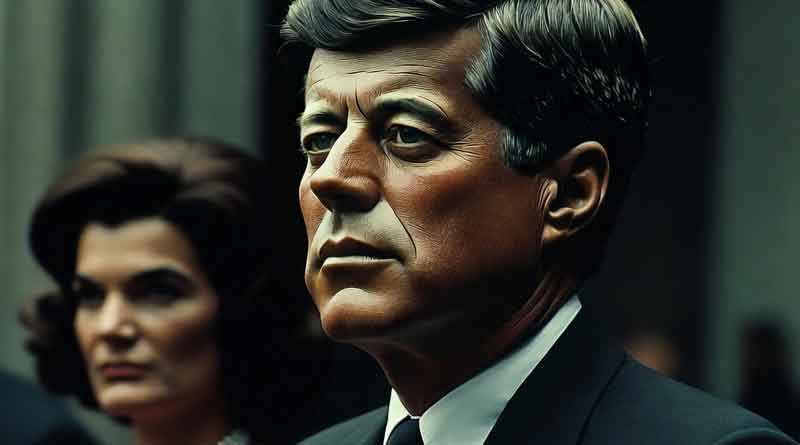

The highly anticipated Kennedy family show is officially underway at Netflix, promising an unprecedented deep dive into America’s most enduring and enigmatic dynasty. This monumental historical drama, which has been the subject of speculation for some time, is set to unravel the complex tapestry of the Kennedy clan, from their ambitious origins to the tragedies and triumphs that cemented their place in American mythology. Audiences are eager to learn more about the cast, the intricate plotlines, and the unique perspective this series will bring to a story already etched into the national consciousness.
What is the new Kennedy family show on Netflix about?
The new Kennedy family show on Netflix is an ambitious historical drama based on Fredrik Logevall’s acclaimed book, “JFK: Coming of Age in the American Century, 1917-1956.” The series aims to explore the intimate lives, loves, rivalries, and profound tragedies that shaped the iconic dynasty and, by extension, the modern world. The initial season, slated for eight episodes, will commence in the 1930s, chronicling the improbable ascent of patriarch Joe Kennedy Sr. and matriarch Rose Kennedy, alongside their nine children. A significant focus will be placed on the youthful struggles of the rebellious second son, Jack (John F. Kennedy), as he grapples to emerge from the shadow of his elder, prodigal brother, Joe Jr.
This series promises to transcend mere biographical recounting, delving into the human aspirations and burdens that lie beneath the polished veneer of the Kennedy myth. It seeks to illuminate not just the political milestones but also the personal conflicts, the internal dynamics, and the often-overlooked moments that forged this powerful family. The narrative will explore how their individual journeys and collective destiny intersected with pivotal moments in American and global history, offering a fresh lens through which to understand their profound and lasting impact. Showrunner Sam Shaw has articulated a vision that positions the Kennedy story as “the closest thing we have to American mythology,” a blend of Shakespearean drama and the sweeping sagas of popular culture, yet grounded in Logevall’s nuanced historical account.
Who is in the cast of the Netflix Kennedy family show?
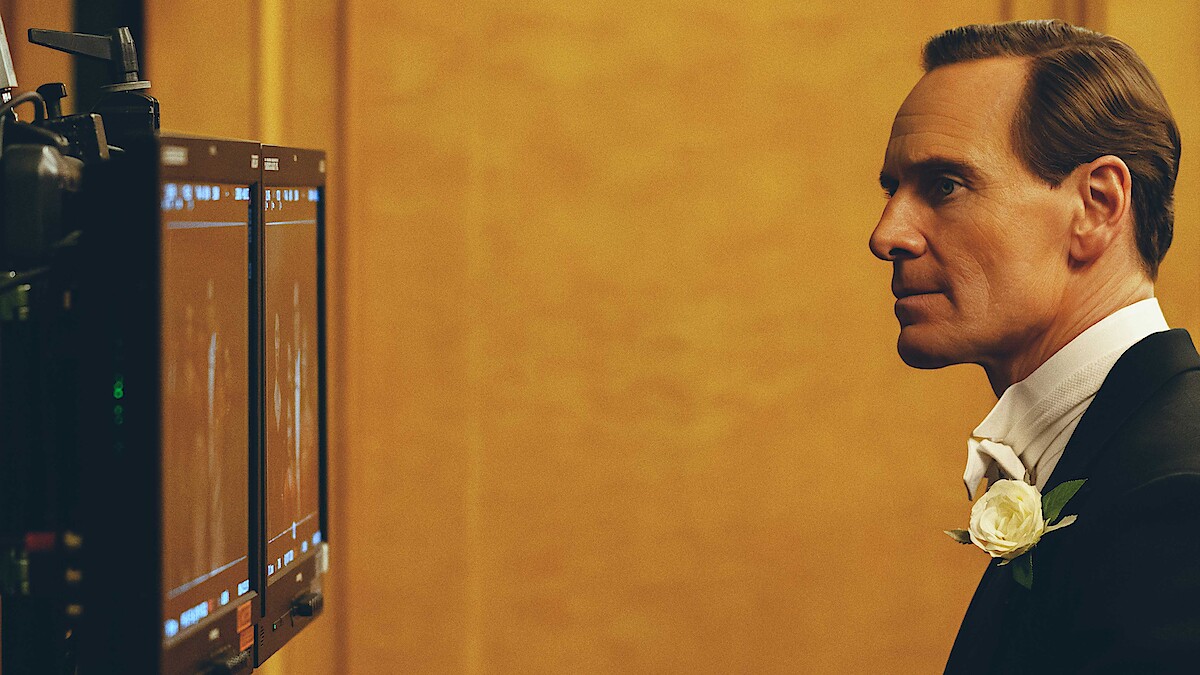
The ensemble cast of the Netflix Kennedy family show features a stellar lineup of talent, bringing to life the pivotal figures of the legendary family. Leading the cast as the formidable patriarch, Joe Kennedy Sr., is the acclaimed actor Michael Fassbender. Fassbender’s portrayal is expected to capture the ambition, drive, and controversial nature of the man who laid the groundwork for the Kennedy dynasty’s political power.
Playing opposite Fassbender as the stoic and devout matriarch, Rose Kennedy, is Laura Donnely. Donnely will embody the strength and resilience of a woman who navigated immense personal sorrow while maintaining the family’s public image. Their eldest son and the family’s initial political hope, Joe Jr., is portrayed by Nick Robinson, highlighting the promise cut short by his tragic death in World War II.
The future President John F. Kennedy, known to the family as Jack, will be brought to the screen by Joshua Melnick. Melnick’s performance will likely trace Jack’s journey from a less-favored son to a charismatic leader, exploring his early life, health struggles, and burgeoning political ambition. The series also features Ben Miles as Eddie More, Joe Sr.’s trusted assistant, offering a glimpse into the inner workings of the patriarch’s extensive operations.
The tragic figure of Rosemary Kennedy, the third child of Joe and Rose, will be portrayed by Lydia Peckham. Her story, marked by intellectual disability and a devastating lobotomy, is a crucial, often heartbreaking, chapter in the family’s history. Saura Lightfoot takes on the role of Kick Kennedy, the rebellious and spirited fourth daughter whose life was marked by both glamour and tragedy.
Further enriching the cast are several other notable actors:
- Georgina Bitmead as Eunice Kennedy, the fifth child, who later became a prominent advocate for individuals with intellectual disabilities and founded the Special Olympics.
- Miley Locke as the younger version of Kick Kennedy, offering insight into her formative years.
- Kipper Seifert-Cleveland as the younger Rosemary Kennedy, depicting her childhood before her life-altering medical procedure.
Beyond the core family, the series also includes historical figures who intersected with the Kennedys:
- Albert Welling as Winston Churchill, the iconic British Prime Minister, whose wartime leadership and relationship with Joe Kennedy Sr. were significant.
- Toby Huss as Franklin D. Roosevelt, the former U.S. President, under whom Joe Kennedy Sr. served as Ambassador to the United Kingdom, a period fraught with political tension and differing ideologies.
This comprehensive cast suggests a commitment to portraying the breadth and depth of the Kennedy saga, capturing not only the family’s internal dynamics but also their interactions with the wider world.
Where is the Kennedy family show being filmed?
The production of the Kennedy family show is primarily taking place in London, England. This choice of filming location is strategically significant, especially given the early focus of the series. Joe Kennedy Sr. served as the U.S. Ambassador to the United Kingdom from 1938 to 1940, a critical period leading up to and during the initial stages of World War II. Filming in London allows the production to authentically recreate the historical settings and atmosphere of that era, which was pivotal for the Kennedy family’s political and personal development.
While specific studios or locations have not been widely publicized, London offers a wealth of historical architecture, period-appropriate backdrops, and world-class production facilities and talent, making it an ideal hub for an ambitious historical drama of this scale. The city’s ability to double for various international locales, combined with its rich history, provides a versatile canvas for depicting the global stage on which the Kennedys often operated.
Why does the Kennedy family continue to fascinate audiences?
The enduring fascination with the Kennedy family show, and indeed the family itself, stems from a confluence of factors that position them as America’s closest equivalent to royalty. Their story is a captivating blend of ambition, power, glamour, scandal, and profound tragedy, woven into the very fabric of the 20th century. This unique combination ensures their narrative remains eternally compelling for audiences across generations.
Firstly, the Kennedys embodied the American Dream on an epic scale. The rags-to-riches tale of Joe Kennedy Sr., his relentless drive to establish a political dynasty, and the subsequent rise of his sons to the highest offices in the land, resonated deeply with the national ethos of aspiration and opportunity. John F. Kennedy’s presidency, in particular, ushered in an era of youthful idealism and hope, known as the “New Frontier,” which captivated the nation and the world. His charisma, intelligence, and vision for America left an indelible mark, creating a mythic aura around his short but impactful time in office.
Secondly, the family’s public image was meticulously crafted and maintained, exuding an almost unattainable level of glamour and sophistication. Jacqueline Kennedy, with her impeccable style and grace, became a global fashion icon and a symbol of elegance. The family’s photogenic nature, their large number of children, and their seemingly perfect lives created an aspirational image that was both admired and envied. This public persona, however, often masked deeper complexities and personal struggles, adding layers of intrigue.
Thirdly, the Kennedys’ story is punctuated by an almost Shakespearean level of tragedy, giving rise to the pervasive notion of a “Kennedy curse.” The assassinations of President John F. Kennedy and his brother Robert F. Kennedy, the death of Joe Jr. in WWII, Kathleen’s death in a plane crash, and later, John F. Kennedy Jr.’s fatal plane crash, among other misfortunes, have created a narrative arc of unparalleled drama and sorrow. These events have fueled endless speculation, conspiracy theories, and a collective sense of loss that continues to reverberate through American society. The contrast between their public triumphs and private sorrows makes their story profoundly human and emotionally resonant.
Finally, the family’s involvement in pivotal historical moments, from the Cold War and the Civil Rights Movement to their influence on modern politics and philanthropy, ensures their relevance. They are not merely a family but a lens through which to view American history itself. Their triumphs and failures, their public service and personal failings, all contribute to a rich, complex, and endlessly fascinating narrative that continues to offer lessons and provoke discussion. The ability of the Kennedy family show to tap into these multifaceted aspects is precisely what guarantees its appeal.
The source material and creative vision for the Kennedy family show
The creative foundation for the Kennedy family show is built upon Fredrik Logevall’s seminal biography, “JFK: Coming of Age in the American Century, 1917-1956.” This scholarly yet accessible work offers a comprehensive and nuanced look at John F. Kennedy’s formative years and the broader context of his family’s rise. Logevall’s meticulous research and insightful analysis provide a rich tapestry of historical detail, moving beyond simplistic narratives to explore the ambitions, conflicts, and personal journeys of the Kennedy clan.
Showrunner Sam Shaw, known for his work on critically acclaimed series, has articulated a clear and compelling vision for the adaptation. He describes the Kennedy story as “the closest thing we have to American mythology, something between Shakespeare and the series ‘The Bold and the Beautiful’.” This evocative comparison highlights the show’s intent to capture both the high-stakes political drama and the intricate, often melodramatic, personal relationships within the family. Shaw emphasizes that Logevall’s biography “unveils the human aspirations and burdens that lie behind the myth,” promising a portrayal that reveals “both about our present, how we got here and where we are going, as about the Kennedys themselves.”
This creative approach suggests that the series will not merely recount historical facts but will delve into the psychological underpinnings of the characters, exploring their motivations, fears, and desires. By focusing on the “origins and conflicts,” the show aims to provide a foundational understanding of how this powerful family was shaped, and how their early experiences influenced their later actions and decisions. The involvement of acclaimed screenwriters and directors, including Eric Roth and Thomas Vinterberg, further underscores the commitment to a high-quality, deeply layered narrative that will resonate with contemporary audiences. Their collective vision is to explore “this saga of a family and a world in transition,” particularly at a time when “our past feels urgently present,” drawing parallels between the historical context of the Kennedys and current societal challenges.
The Kennedy curse: A shadow over the dynasty
The concept of the Kennedy curse is an inseparable, albeit tragic, element of the family’s mystique, and it is almost certainly a theme that the Kennedy family show will explore. This pervasive belief suggests that the family has been plagued by an unusual number of misfortunes, accidents, and premature deaths across multiple generations. While some dismiss it as mere coincidence or the inevitable consequence of a large, high-profile family, the sheer volume and dramatic nature of these tragedies have cemented the “curse” in the public imagination.
The origins of this somber narrative can be traced back to the very first generation of Joe and Rose Kennedy’s children. Their eldest son, Joseph P. Kennedy Jr., the initial hope for the family’s political future, was killed in action during World War II in 1944 when his bomber exploded over the English Channel. Just four years later, in 1948, their spirited daughter Kathleen “Kick” Kennedy Cavendish died in a plane crash in France.
Perhaps the most prominent and devastating events contributing to the curse are the assassinations of two of their sons: President John F. Kennedy in Dallas in 1963, and his younger brother, Senator Robert F. Kennedy, in Los Angeles in 1968, while campaigning for president. These twin tragedies shook the nation to its core and left an enduring sense of what might have been.
Beyond these high-profile deaths, other significant misfortunes have been attributed to the curse:
- Rosemary Kennedy’s tragic lobotomy in 1941, performed at her father’s behest to address her intellectual disabilities and behavioral issues, left her permanently incapacitated and institutionalized for the rest of her life.
- Edward M. “Ted” Kennedy’s involvement in the 1969 Chappaquiddick incident, where a car he was driving plunged off a bridge, resulting in the death of Mary Jo Kopechne, effectively ended his presidential aspirations and cast a long shadow over his otherwise distinguished Senate career.
- In 1984, David Kennedy, Robert F. Kennedy’s fourth son, died of a drug overdose.
- In 1997, Michael Kennedy, another of Robert F. Kennedy’s sons, died in a skiing accident.
- The most recent major tragedy to fuel the curse narrative was the 1999 plane crash that killed John F. Kennedy Jr., his wife Carolyn Bessette Kennedy, and her sister Lauren Bessette. This loss of the charismatic “prince” of the family seemed to seal the fate of a generation.
These events, along with numerous other personal struggles and health issues faced by family members, paint a sobering picture of a dynasty touched by an extraordinary degree of suffering. The Kennedy family show will undoubtedly explore how these tragedies shaped the individual members, influenced their decisions, and ultimately contributed to the powerful, yet poignant, legacy of the Kennedys.
The enduring impact of the Kennedy family on American culture
The Kennedy family show serves as a timely reminder of the indelible mark the Kennedy family has left on American culture, politics, and the collective imagination. Their impact extends far beyond their political achievements, permeating various facets of national identity and global perception. They are more than just historical figures; they are archetypes, symbols, and a constant point of reference in discussions about American power, ambition, and tragedy.
In politics, the Kennedys defined an era of youthful idealism and public service. John F. Kennedy’s “New Frontier” rhetoric inspired a generation to aspire to greater heights, fostering a sense of national purpose, from the space race to the Peace Corps. His call to “ask not what your country can do for you – ask what you can do for your country” remains one of the most iconic and enduring political statements in American history. Robert F. Kennedy continued this legacy, championing civil rights and social justice, resonating deeply with marginalized communities and inspiring a new wave of activism. Even without reaching the presidency, Ted Kennedy’s decades-long career in the Senate made him a legislative force, particularly in healthcare and social policy, cementing the family’s reputation for progressive politics and dedication to public welfare.
Culturally, the Kennedys became synonymous with a particular brand of American glamour and sophistication. Jacqueline Kennedy’s elegance, her promotion of arts and culture, and her meticulous restoration of the White House set new standards for the First Lady’s role and left a lasting imprint on American style. The family’s large, vibrant clan, often photographed sailing off Hyannis Port or engaging in spirited sports, projected an image of robust, aspirational living that captured the public’s imagination. This blend of political power and celebrity appeal created a unique phenomenon, blurring the lines between statesmanship and stardom long before the age of reality television.
Their story has also become a powerful narrative touchstone in literature, film, and television. Countless books, documentaries, and fictionalized accounts have attempted to unravel the mysteries and complexities of the Kennedys, from Oliver Stone’s “JFK” to the “The Kennedys” miniseries. These portrayals, whether celebratory or critical, attest to the family’s enduring capacity to provoke thought, debate, and emotional response. The new Kennedy family show on Netflix is merely the latest, and likely one of the most comprehensive, attempts to grapple with this rich legacy.
Furthermore, the Kennedy family’s tragedies have instilled a profound sense of national grief and reflection. The assassinations created a collective trauma that continues to shape American memory, prompting introspection on issues of violence, leadership, and the fragility of hope. The “Kennedy curse” narrative, while often sensationalized, speaks to a deeper human fascination with fate, destiny, and the burdens of immense privilege. In essence, the Kennedys are not just a family; they are a prism through which America continually examines its past, its ideals, and its own complex identity.
What to expect from the Netflix Kennedy family show
When the Netflix Kennedy family show premieres, audiences can anticipate a meticulously crafted and deeply immersive historical drama that aims to go beyond the well-known headlines. Based on the showrunner’s statements and the source material, several key expectations emerge for what promises to be a landmark series.
Firstly, expect a narrative that prioritizes character depth and psychological complexity. The series will not merely present a chronological recounting of events but will delve into the motivations, internal struggles, and relational dynamics within the family. By starting in the 1930s, the show will lay a foundational understanding of how Joe and Rose Kennedy’s ambitions and values shaped their children, particularly focusing on Jack’s journey to find his own path outside his elder brother’s shadow. This intimate approach will likely reveal the human beings behind the mythic figures, exploring their vulnerabilities, rivalries, and moments of profound personal growth.
Secondly, viewers should prepare for a high level of historical accuracy and detail, informed by Fredrik Logevall’s rigorous scholarship. While dramatic license is always a component of historical fiction, the series’ reliance on a respected biography suggests a commitment to portraying the era and its personalities with authenticity. This will extend to the recreation of period settings, costumes, and the broader socio-political atmosphere of the mid-20th century, from the Great Depression and the looming threat of World War II to the post-war boom.
Thirdly, expect a sophisticated and engaging storytelling style. With acclaimed talents like Sam Shaw, Eric Roth, and Thomas Vinterberg involved, the series is poised to deliver a compelling narrative structure, nuanced dialogue, and visually striking cinematography. The comparison to “Shakespeare and The Bold and the Beautiful” hints at a blend of profound drama and accessible, character-driven storytelling that will appeal to a broad audience, from history buffs to fans of family sagas.
Finally, the series will likely explore the complex interplay between personal lives and public duties. The Kennedys lived under an intense spotlight, where private decisions often had public repercussions. The show will examine how the family navigated this unique existence, grappling with the pressures of expectation, the weight of their political aspirations, and the devastating impact of their personal tragedies. It will offer insights into the sacrifices made, the compromises endured, and the unwavering determination that defined their dynasty.
Ultimately, the Netflix Kennedy family show is set to be more than just a historical drama; it’s an exploration of an American myth, a study of power and family, and a reflection on how one extraordinary clan shaped the course of a nation. Its anticipated 2027 release suggests a painstaking production process, promising a cinematic experience worthy of its iconic subject matter.