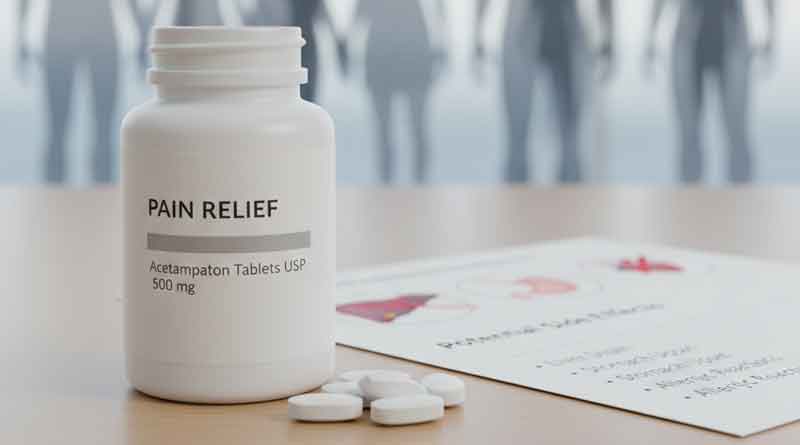
When you reach for an over-the-counter pain reliever, chances are you’ve grabbed a bottle of Tylenol (or its generic equivalent, acetaminophen). It’s a staple in medicine cabinets across America, a trusted ally against headaches, fevers, and minor aches. For most people, when used as directed, Tylenol is safe and highly effective.
But here’s the crucial part: understanding the potential side effects of Tylenol is absolutely essential for safe use. Our primary goal today is to equip you with comprehensive, trustworthy, and actionable knowledge about the potential adverse effects of acetaminophen. We want you to understand the risks, recognize symptoms, and learn how to use this common medication safely to make informed personal healthcare decisions. Let’s dive deep into what you need to know to protect your health while still getting relief.
1. The foremost concern: understanding the risk of liver damage
Let’s get straight to the most critical conversation surrounding acetaminophen: its potential impact on your liver. This isn’t meant to scare you, but to empower you with vital information. Your liver is an incredible organ, a powerhouse responsible for metabolizing virtually everything you ingest, including medications. When you take acetaminophen, your liver processes it. A small amount of acetaminophen is converted into a toxic byproduct. Normally, your liver has mechanisms to neutralize this byproduct and safely excrete it. However, if you take too much—whether through a single large dose or by exceeding the recommended daily limit over several days—your liver can become overwhelmed. It simply can’t neutralize the toxic byproduct fast enough, leading to cellular damage and, in severe cases, acute liver failure. This is why liver damage is the foremost concern among Tylenol side effects.
Symptoms to watch for
Recognizing the early signs of liver toxicity can be life-saving. Don’t wait until it’s too late. If you experience any of these symptoms after taking acetaminophen, seek immediate medical attention:
- Jaundice: A yellowing of the skin or the whites of your eyes. This is a classic sign your liver isn’t functioning correctly.
- Dark urine: Urine that appears unusually dark, like cola or strong tea, can indicate liver problems.
- Upper right abdominal pain: Persistent or severe pain in the area where your liver is located.
- Nausea and vomiting: Unexplained or persistent stomach upset, especially if accompanied by other symptoms.
- Loss of appetite: A sudden and significant disinterest in food.
- Unusual fatigue or weakness: Feeling extremely tired or generally unwell, disproportionate to your activity level.
These symptoms can sometimes be subtle at first, so it’s vital to be vigilant.
Major risk factors
While anyone can experience liver toxicity from acetaminophen overdose, certain factors significantly increase your risk:
- Alcohol consumption: This is a big one. Heavy or chronic alcohol use depletes your liver’s stores of glutathione, the substance it uses to neutralize acetaminophen’s toxic byproduct. Even moderate alcohol consumption while taking acetaminophen can increase risk.
- Using other medications containing acetaminophen: This is often where accidental overdose happens. Many cold and flu remedies, allergy medications, and even some prescription painkillers (like Vicodin or Percocet) contain acetaminophen. You might be taking Tylenol for a headache and then a cold medicine for congestion, unknowingly doubling up on acetaminophen. Always check the active ingredients!
- Pre-existing liver conditions: If you have hepatitis, cirrhosis, fatty liver disease, or any other liver impairment, your liver is already compromised and less able to handle the acetaminophen load.
- Malnutrition or fasting: Being severely malnourished or undergoing prolonged fasting can also reduce your liver’s ability to process acetaminophen safely.
Crucial dosage guidance
This is where the rubber meets the road. Knowing and adhering to proper dosage is your best defense against Tylenol side effects, particularly liver damage. Always, always, always read the Drug Facts label on the packaging. Here’s the general guidance for adults:
- Maximum daily dose: For adults, the generally recommended maximum daily dose is 3,000 mg to 4,000 mg. However, some healthcare professionals and product labels may advise staying closer to 3,000 mg to build in an extra margin of safety, especially if you have risk factors. Never exceed the dose recommended on the label without explicit doctor’s advice.
- Minimum effective dose and duration: Don’t just take the maximum dose automatically. Start with the smallest effective dose (e.g., 325 mg or 500 mg) and see if it provides relief. Only increase if necessary, and never take it for longer than needed. If your pain or fever persists for more than a few days, it’s time to see a doctor.
- Check all labels: This is your practical activity for today! Go grab every medication in your cabinet that you might take for pain, cold, or flu. Look for the active ingredient “acetaminophen.” Make a mental note, or even better, write it down. This simple “Medicine Cabinet Audit” can prevent accidental overdose.
2. Recognizing allergic and skin reactions
While liver damage is the most serious concern, it’s also important to be aware of other potential Tylenol side effects, including allergic and skin reactions. These reactions, while less common than many might assume for an OTC medication, can range from mild discomfort to life-threatening emergencies. Your body’s immune system can sometimes perceive acetaminophen as a threat, triggering a hypersensitivity response.
Common allergic symptoms
Most allergic reactions to acetaminophen are relatively mild, but they still warrant attention and likely discontinuation of the medication. Watch out for:
- Rash or hives: Red, itchy bumps or patches on the skin.
- Itching: Generalized itching without a visible rash.
- Swelling: Especially of the face, lips, tongue, or throat (this can quickly become serious).
- Dizziness: Feeling lightheaded or unsteady.
- Difficulty breathing: This is a medical emergency! If you experience shortness of breath, wheezing, or tightness in your chest, call 911 immediately. This could be anaphylaxis, a severe, life-threatening allergic reaction.
If you suspect an allergic reaction, stop taking acetaminophen and contact your doctor or pharmacist for advice.
Serious skin conditions
In extremely rare but critical cases, acetaminophen can trigger severe cutaneous adverse reactions (SCARs). These are life-threatening skin conditions that require immediate medical attention. The FDA has issued warnings about these:
- Stevens-Johnson Syndrome (SJS): This condition starts with flu-like symptoms (fever, body aches) followed by a painful, red or purplish rash that spreads and blisters. The affected skin then peels off, leaving raw, open areas.
- Toxic Epidermal Necrolysis (TEN): An even more severe form of SJS, TEN involves widespread blistering and peeling of the skin, resembling a severe burn.
- Acute Generalized Exanthematous Pustulosis (AGEP): Characterized by the rapid onset of numerous sterile pustules (small pus-filled blisters) on red, swollen skin, usually accompanied by fever.
The key takeaway here is this: if you develop a new skin rash or blistering while taking acetaminophen, stop the medication immediately and seek emergency medical care. Early intervention is crucial for these severe conditions.
3. Gastrointestinal and blood-related effects
While acetaminophen is often lauded for being gentler on the stomach than NSAIDs like ibuprofen or aspirin, it’s not entirely without gastrointestinal (GI) and blood-related side effects of Tylenol. These are generally less common, but they are important to be aware of, especially if you have pre-existing conditions or are sensitive to medications.
GI distress
Unlike NSAIDs, which can directly irritate the stomach lining and increase the risk of ulcers or bleeding, acetaminophen typically doesn’t pose this threat. However, some individuals may still experience mild GI upset, particularly with higher doses or prolonged use:
- Nausea: A general feeling of sickness or urge to vomit.
- Stomach pain: Discomfort or ache in the abdominal area.
- Loss of appetite: A reduced desire to eat, which might be linked to general malaise.
- Constipation: While not a direct or common side effect, some individuals report changes in bowel habits.
These symptoms are usually mild and resolve upon discontinuation. If they persist or worsen, consult your doctor.
Blood cell impact
Very rarely, acetaminophen can affect your blood cell counts. These are serious but infrequent Tylenol side effects:
- Thrombocytopenia: This is a condition where your blood has a low platelet count. Platelets are crucial for blood clotting. A low count can lead to easy bruising, nosebleeds, bleeding gums, or prolonged bleeding from minor cuts.
- Neutropenia: This refers to a low count of neutrophils, a type of white blood cell vital for fighting infections. Neutropenia can leave you more vulnerable to bacterial and fungal infections.
- Agranulocytosis and pancytopenia: These are even rarer and more severe reductions in white blood cells (agranulocytosis) or all types of blood cells (pancytopenia).
Because these conditions can lead to serious complications, it’s important to be vigilant. If you notice unusual bruising, bleeding that doesn’t stop, frequent or severe infections, or unexplained fatigue, report these symptoms to your doctor immediately. They may order blood tests to investigate further.
4. Who is at higher risk? factors to consider
While we’ve touched on some risk factors, it’s crucial to understand that not everyone responds to medications in the same way. Certain individuals and circumstances place people at a higher risk for experiencing Tylenol side effects. Being aware of these factors can help you and your healthcare provider make the safest choices for your specific situation. This isn’t about fear; it’s about being your own best health advocate.
Chronic conditions
Your underlying health can significantly influence how your body processes acetaminophen:
- Liver disease (hepatitis, cirrhosis, fatty liver disease): As discussed, a compromised liver has a reduced capacity to metabolize acetaminophen safely, making these individuals highly susceptible to liver toxicity even at standard doses.
- Kidney impairment: While acetaminophen is primarily metabolized by the liver, its metabolites are excreted by the kidneys. If your kidneys aren’t functioning optimally, these metabolites can accumulate, increasing the risk of adverse effects.
- Chronic alcoholism: Regular heavy alcohol use not only damages the liver but also alters its metabolic pathways, making it more prone to acetaminophen-induced injury.
If you have any of these conditions, it is imperative to discuss acetaminophen use with your doctor before taking it, even occasional doses.
Concurrent medications
It’s not just about what Tylenol does on its own; it’s also about how it interacts with other substances in your body:
- Blood thinners (e.g., warfarin): Acetaminophen, particularly in higher doses or with prolonged use, can enhance the effect of warfarin, increasing your risk of bleeding. If you’re on blood thinners, always consult your doctor before taking acetaminophen.
- Other drugs metabolized by the liver: Many medications are processed by the same liver enzymes. Taking multiple drugs that put a strain on the liver simultaneously can increase the risk of toxicity from any of them.
- “Hidden” acetaminophen: We mentioned this before, but it bears repeating. Many combination products for colds, flu, allergies, and even some prescription painkillers already contain acetaminophen. Always read the active ingredients on *all* your medications to avoid accidental doubling up. This is a practical activity you can do right now: gather your medications and check their labels!
Special populations
Some demographic groups require extra caution:
- The elderly: As we age, our bodies often metabolize drugs slower, and our liver and kidney function may decline. This means acetaminophen can stay in the system longer, potentially increasing the risk of accumulation and side effects. Lower doses or less frequent administration may be necessary for older adults.
- Pregnancy and breastfeeding: Acetaminophen is often considered one of the safer pain relievers during pregnancy and while breastfeeding. However, it’s not without potential risks, especially with high doses or prolonged use. Always consult your obstetrician or pediatrician before taking any medication if you are pregnant or breastfeeding, to ensure it’s appropriate for your specific situation.
- Children: Dosage for children is based on weight, not age. Always use a child-specific formulation and dosing chart, and never give adult acetaminophen to a child.
Your unique health profile matters. When in doubt, always have a conversation with your pharmacist or doctor. They can provide personalized guidance tailored to your medical history and current medications, helping you navigate the potential side effects of Tylenol safely.
5. Safe use guidelines: minimizing your risk
Now that we’ve covered the potential side effects of Tylenol, let’s shift our focus to proactive strategies. The good news is that most risks can be minimized, or even eliminated, by simply following a few clear, actionable guidelines. Think of these as your personal rulebook for safe acetaminophen use. Integrating these habits into your routine will make you a more informed and empowered consumer of over-the-counter medications.
Here are your essential safe use guidelines:
- Always read and follow the Drug Facts label: This is your primary source of information. It contains dosage instructions, warnings, and active ingredients. Don’t guess; read it every single time, especially if you’re using a new product or a different strength.
- Use the smallest effective dose for the shortest necessary time: Don’t automatically jump to the maximum dose. Start with the lower end of the recommended range, and only increase if your symptoms don’t improve. If your pain or fever resolves, stop taking it. Prolonged use without medical supervision is risky.
- Never exceed the maximum daily dose: This is non-negotiable, particularly concerning the risk of liver damage. If the label says not to exceed 3,000 mg in 24 hours, stick to it. Setting reminders on your phone can help you track doses, especially if you’re taking multiple doses throughout the day.
- Track all sources of acetaminophen (prescription and OTC): This is perhaps the most overlooked guideline. Many combination cold/flu remedies, allergy medicines, and even prescription pain medications contain acetaminophen. Be diligent about checking every label to avoid accidental overdose. Keep a running tally in your head or a simple note on your phone if you’re taking multiple products.
- Avoid or strictly limit alcohol while taking Tylenol: As we discussed, alcohol significantly increases your risk of liver toxicity. It’s best to avoid alcohol altogether when taking acetaminophen. If you’re a chronic heavy drinker, discuss safe pain relief options with your doctor.
- When in doubt, consult a pharmacist or doctor: This is a golden rule. If you have underlying health conditions (especially liver or kidney issues), are taking other medications, are pregnant or breastfeeding, or simply have questions about dosage or interactions, ask a healthcare professional. They are there to help you make safe decisions. Your pharmacist is a fantastic, often underutilized resource for quick, expert advice.
By actively following these guidelines, you’re not just taking medication; you’re taking control of your health. It’s about being proactive and informed, rather than reactive and uncertain.
Conclusion & key takeaways
So, what’s the ultimate takeaway from our deep dive into the side effects of Tylenol? The primary message is clear: Tylenol (acetaminophen) is a highly effective and generally safe medication for most people, provided it’s used precisely as directed. Its widespread availability and efficacy against common ailments make it an indispensable tool in our health arsenal. However, this accessibility often leads to complacency, and it’s misuse – whether accidental or intentional – that carries serious risks, predominantly to your liver.
To reiterate the most important action points:
- Respect dosage limits: Never exceed the maximum recommended daily dose. Your liver will thank you.
- Beware of hidden acetaminophen: Always check all your medication labels to avoid accidental double-dosing.
- Avoid alcohol: Alcohol and acetaminophen are not a safe mix for your liver.
- Know your body: Be vigilant for signs of liver damage or allergic reactions, and seek medical help if you experience anything concerning.
- Consult a pro: When in doubt, especially with underlying conditions or other medications, talk to your pharmacist or doctor.
Being an informed consumer of over-the-counter medications like Tylenol isn’t just smart; it’s an essential part of maintaining your well-being. By understanding its potential side effects and committing to safe usage guidelines, you empower yourself to harness the benefits of this common medication while minimizing its risks. Stay informed, stay safe, and be your own best health advocate!