
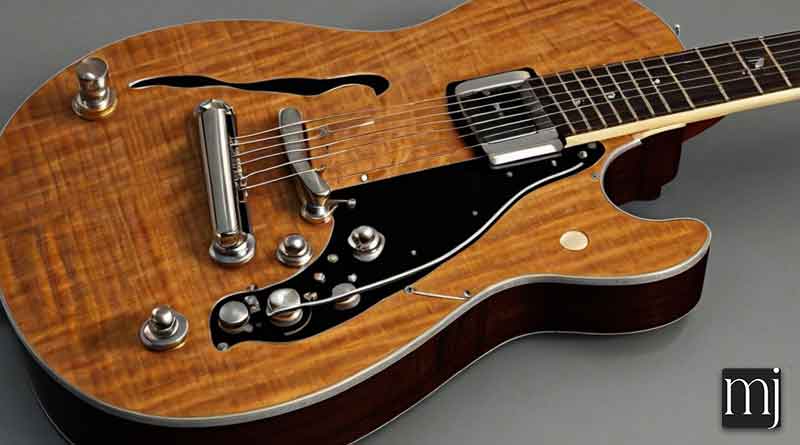
The parts of a guitar: A guide to every part and its purpose

Parts of a guitar work together like instruments in an orchestra, each component playing a crucial role in creating the sound and playability you experience every time you pick up your instrument. Whether you’re strumming your first chords or looking to upgrade your setup, understanding the anatomy of your guitar empowers you to make informed decisions about maintenance, customization, and playing technique. This comprehensive guide breaks down every major component of both acoustic and electric guitars, explaining not just what each part is called, but why it matters to you as a player.
More than just a neck and body
Your guitar is far more sophisticated than it might appear at first glance. Beyond the obvious neck and body, dozens of carefully engineered components work in harmony to transform simple string vibrations into the music you create. From the tuning pegs that keep you in pitch to the bridge that transfers energy into your guitar’s voice, each element affects your instrument’s tone, sustain, playability, and overall character.
By learning how these guitar components interact, you’ll unlock greater control over your sound and develop a deeper connection with your instrument. Let’s explore the complete anatomy, starting from the top and working our way down.

The headstock: Your tuning command center
The headstock sits at the top of your guitar’s neck, serving as the anchor point for your strings and housing the machinery that keeps you in tune. While it might seem like a simple design element, the headstock’s shape and components significantly impact your guitar’s stability and performance.
Tuning pegs, also called machine heads, are the mechanical gears you turn to adjust string tension and pitch. Modern tuning pegs use a sophisticated gear ratio system that allows for precise micro-adjustments. Higher-quality tuners feature sealed mechanisms that resist dirt and maintain smooth operation for years. The gear ratio matters too—an 18:1 ratio means the string post turns once for every 18 turns of the tuning button, providing finer control than a 14:1 system. Vintage-style tuners might look appealing, but locking tuners offer superior tuning stability, especially if you use a tremolo system or bend strings aggressively.
The nut is that small strip of material (bone, plastic, brass, or synthetic compounds like TUSQ) sitting at the junction between the headstock and fretboard. Despite its humble size, the nut is one of the most critical contact points on your guitar. It determines string spacing, sets the action height at the first fret, and serves as one end of the vibrating string length. A poorly cut nut causes tuning instability, buzzing, and intonation problems. The material matters surprisingly much—bone and brass transmit vibrations more efficiently than plastic, contributing to better sustain and tonal clarity.
Why it matters: The headstock design affects more than aesthetics. A well-designed headstock with quality hardware maintains tuning stability through aggressive playing, while premium nut materials can noticeably improve your guitar’s sustain and the feel of string bends.
The neck: The playability highway
Your guitar’s neck is where your musical ideas become reality. Every note you play, every chord you form happens here, making the neck’s construction and components absolutely essential to your playing experience.
The fretboard (or fingerboard) is the smooth playing surface where you press strings against frets. Common fretboard woods include rosewood, known for its warm tone and comfortable feel; ebony, prized for its dense, fast surface and bright attack; and maple, which offers a snappy, articulate response. The wood choice affects both sound and tactile experience—rosewood feels slightly softer under your fingers, while ebony’s hardness provides lightning-fast playability that lead guitarists love. The fretboard radius (its curved profile) ranges from vintage-style 7.25″ curves to modern flatter 12-16″ radiuses. Curved fretboards excel at chord work, while flatter profiles facilitate string bending and fast lead playing.
Frets are the metal strips embedded in the fretboard that divide it into half-step intervals. When you press a string against a fret, you’re shortening the vibrating length of that string, raising its pitch. Frets come in various sizes—taller frets require less pressure and make bending easier, while shorter vintage frets offer a different tactile response that some players prefer. Over time, frets wear down from constant string contact, developing grooves that cause buzzing and intonation issues. Understanding fret wear helps you know when your guitar needs professional maintenance.
The truss rod is the invisible hero running through your neck’s interior. This adjustable metal rod counteracts the tremendous tension your strings place on the neck (often exceeding 150 pounds of force). The truss rod allows precise adjustment of neck relief—the slight forward bow that prevents string buzzing while maintaining playability. Access points typically appear at the headstock or inside the body. However, truss rod adjustment requires careful attention and proper tools. Over-tightening can damage your neck permanently, so approach adjustments cautiously or consult a professional when significant changes are needed.
Inlays are the decorative markers (usually dots, blocks, or custom shapes) positioned at specific frets to help you navigate the fretboard. Beyond aesthetics, they provide crucial visual reference points, especially in dark venues or during complex passages. Standard positions are the 3rd, 5th, 7th, 9th, 12th, 15th, 17th, 19th, and 21st frets.
Why it matters: Neck profile shapes (C-shape, V-shape, or chunky D-profile) dramatically affect comfort and playing style. Jazz players often prefer thinner, faster necks for complex chord voicings, while blues guitarists might favor chunkier profiles that feel substantial during aggressive bending. Your ideal neck profile is deeply personal and influences how naturally you connect with your instrument.
The body: The heart of tone and resonance
The body is where the magic of sound creation truly happens, though the mechanism differs dramatically between acoustic and electric guitars.
Acoustic guitar body: The natural amplifier
An acoustic guitar’s body functions as a natural amplification system, and every element contributes to its voice.
The soundboard (or top) acts like a speaker cone, vibrating sympathetically with the strings to produce and project sound. Spruce tops offer clarity, projection, and balanced response across frequencies, making them the most popular choice. Cedar tops provide warmth and respond well to lighter playing but can compress when played aggressively. The soundboard’s thickness and bracing pattern dramatically shape tonal characteristics—lighter bracing allows freer top movement, creating louder volume but potentially less structural stability.
The sound hole isn’t just a decorative element; it’s the acoustic port through which sound waves escape the body’s internal chamber. The size and placement affect tonal balance and projection. Some modern designs experiment with sound port positions to direct more sound toward the player.
Bracing consists of wooden struts glued to the soundboard’s underside, forming an internal skeleton. X-bracing (most common on steel-string acoustics) provides strength while allowing the top to vibrate. The bracing pattern is one of the most significant factors distinguishing one acoustic guitar’s voice from another.
Electric guitar body: The platform for electronics
Electric guitars don’t rely on acoustic resonance for volume, but body construction still matters enormously.
Solid body guitars (like Stratocasters and Les Pauls) offer maximum sustain and feedback resistance, perfect for high-gain rock and metal. Semi-hollow bodies feature a solid center block with hollow wings, balancing sustain with acoustic warmth—ideal for blues and jazz. Hollow body electrics produce the warmest, most acoustic-like tone but become prone to feedback at high volumes.
Body wood influences even electric guitars significantly. Mahogany produces warm, thick midrange perfect for hard rock. Alder offers balanced tone with excellent clarity. Ash provides bright attack with prominent highs and lows. Basswood is lightweight and neutral-sounding, allowing pickups to dominate the tonal character.
Why it matters: Body size and shape affect playing comfort, weight balance when standing, and access to higher frets. A Telecaster’s slab body sounds and feels completely different from a carved Les Paul, even before considering electronics. Understanding these differences helps you choose instruments that match your playing style and genre preferences.
The bridge and tailpiece: Where vibration transfers
The bridge is the crucial connection point where string vibrations transfer into the guitar body, making it essential for tone, sustain, and tuning stability.
Acoustic bridge: Anchoring the strings
The acoustic bridge anchors strings to the soundboard while transmitting their vibrations efficiently. The saddle (typically bone, plastic, or synthetic materials) sits in a slot on the bridge and provides the string contact point. Like the nut, saddle material affects tone—bone transmits vibrations more effectively than plastic, contributing to better sustain and clarity. The bridge plate, glued beneath the soundboard, reinforces the area where strings exert tremendous downward pressure.
Electric guitar bridges: Fixed vs. tremolo systems
Electric guitars offer more bridge variety. Fixed bridges (like Tune-o-matic or hard-tail Strat bridges) prioritize tuning stability and sustain transfer. They’re ideal for players who don’t use pitch effects and prefer rock-solid intonation.
Tremolo systems (technically vibrato systems, since they modulate pitch rather than volume) allow you to bend pitches up or down by manipulating a whammy bar. Standard Stratocaster-style tremolos offer subtle vibrato effects, while Floyd Rose and other locking systems provide extreme pitch manipulation without detuning. However, tremolo bridges increase setup complexity and can complicate string changes.
The tailpiece on some guitars (particularly Les Pauls) anchors strings separately from the bridge. This divided responsibility affects sustain and tone differently than guitars where the bridge handles both functions.
Intonation adjustment screws on the bridge allow precise tuning of each string’s length. Proper intonation ensures your guitar plays in tune up and down the entire fretboard. Without correct intonation adjustment, your open strings might sound perfectly tuned, but fretted notes—especially at higher positions—will sound progressively more out of tune.
Why it matters: Bridge choice profoundly impacts your playing technique options. Tremolo systems open up expressive possibilities like dive bombs and flutter effects but require more maintenance. Understanding your bridge type helps you maintain optimal setup and choose appropriate hardware when upgrading.
The electronics: Electric guitar’s voice
Electric guitars transform string vibrations into electrical signals that amplifiers turn into the sounds you hear. The electronics define an electric guitar’s fundamental character.
- Pickups function as magnetic microphones. When steel strings vibrate within their magnetic field, they create electrical current that gets sent to your amplifier.
- Single-coil pickups use one coil of wire wrapped around magnetic poles. They produce bright, clear, articulate tones with excellent note definition—the classic Stratocaster “quack” and Telecaster “twang.” However, they can pick up electromagnetic interference, producing a characteristic hum.
- Humbuckers use two coils wired in opposite polarity, canceling noise while producing thicker, warmer tones with emphasized midrange. They offer higher output, making them perfect for hard rock, metal, and jazz. Think classic Les Paul tone—creamy, sustained, and powerful.
- P-90s represent a middle ground—technically single-coils but with wider coils that produce more output and midrange warmth than traditional single-coils, though without humbuckers’ noise cancellation.
- Volume and tone controls shape your signal before it reaches the amplifier. Volume knobs control output level, while tone knobs function as treble-cut filters, rolling off high frequencies for warmer sounds. Many players use these controls dynamically during performance, cleaning up overdriven tones by reducing volume or warming rhythms by cutting treble.
- The pickup selector switch chooses which pickups are active. Three-way switches are standard on Les Pauls (neck/both/bridge), while Stratocasters typically feature five-way switches offering seven tonal combinations through series and parallel pickup blending.
- The output jack provides the connection point for your instrument cable, completing the signal chain from string to amplifier.
Why it matters: Pickup configuration is the primary factor determining an electric guitar’s sonic personality. Single-coils excel at blues, country, and funk, providing glassy clarity. Humbuckers dominate hard rock and metal with aggressive power. Understanding pickups helps you choose the right guitar for your preferred genres.
The strings and hardware: Your contact points
Guitar strings are your direct contact with the instrument, and their characteristics dramatically affect playability and tone.
String gauge refers to thickness—lighter gauges (.009-.042 for electrics, .011-.052 for acoustics) bend easily and feel comfortable for beginners but produce thinner tone. Heavier gauges (.011-.049 electric, .013-.056 acoustic) offer fuller tone and better sustain but require more finger strength.
String materials matter too. Nickel-plated steel offers warm, balanced tone. Pure nickel provides vintage warmth. Stainless steel delivers bright, cutting tone with extended life. Coated strings resist corrosion, lasting longer but sometimes feeling slightly different under your fingers.
Strap buttons anchor your guitar strap, while pickguards protect the finish from pick scratches. Control knobs provide tactile interfaces for your electronics, with some players preferring specific shapes and materials for both feel and aesthetics.
Bringing it all together
Every component we’ve explored—from tuning pegs to output jacks, from soundboards to pickup magnets—works in concert to create your guitar’s unique voice and playability. Understanding the parts of a guitar transforms you from a player who simply uses an instrument into a musician who truly knows their tool. This knowledge helps you troubleshoot problems (is that buzzing a loose nut or worn frets?), make informed upgrade decisions (would changing pickups or the bridge have more impact?), and communicate effectively with repair technicians.
Next time you pick up your guitar, take a moment to appreciate the engineering marvel in your hands. Each component represents decades of refinement and innovation. Whether you’re adjusting your truss rod for optimal relief, selecting new pickups to reshape your tone, or simply understanding why your Les Paul sounds so different from your friend’s Telecaster, this anatomical knowledge makes you a more intentional, capable musician. Your guitar isn’t just a mysterious wooden box with strings—it’s a precisely designed instrument whose every element you now understand.