
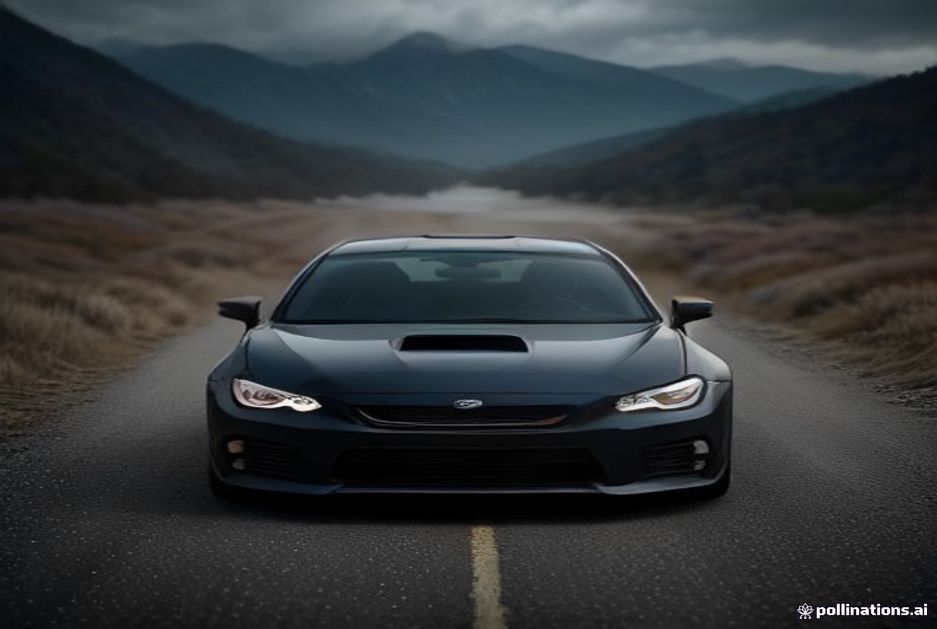

Japanese automaker Subaru is preparing to unveil special edition versions of its popular WRX and BRZ sports models on September 27, hinting at modifications that may extend well beyond traditional aesthetic enhancements. The announcement, which has generated significant buzz in automotive circles, suggests the company is positioning these limited-run variants as more than simple trim upgrades.
The WRX and BRZ have maintained dedicated followings among enthusiasts who appreciate Subaru’s signature all-wheel-drive system and balanced driving dynamics. While specific details remain under wraps, industry analysts suggest the special editions could incorporate performance-oriented features that align with Subaru’s motorsports heritage and the growing demand for more engaging driver experiences in the sports car segment.
The timing of the reveal appears strategic, coming as the automotive industry continues to navigate the transition toward electrification while maintaining interest in traditional internal combustion vehicles. Special editions often serve as final expressions of beloved platforms before major redesigns or powertrain transitions, making these models potentially significant from both a performance and collectibility standpoint.
Subaru’s approach to the WRX and BRZ special editions seems to reflect a broader trend in the automotive market, where manufacturers are increasingly focusing on creating vehicles that offer genuine substance alongside visual distinction. Rather than simply adding premium badges or unique color options, these models may incorporate functional improvements that enhance the driving experience.
The WRX, known for its turbocharged boxer engine and rally-inspired handling, has consistently drawn attention from performance enthusiasts. Recent iterations have focused on refining its character while maintaining its core appeal. A special edition version could potentially highlight these attributes through upgraded suspension components, enhanced aerodynamic elements, or power boost modifications that remain within Subaru’s engineering philosophy.
The BRZ, Subaru’s lightweight sports car platform shared with Toyota’s GR86, has been praised for its near-perfect weight distribution and balanced handling characteristics. Its appeal lies in its simplicity and driver engagement rather than raw power output. Any special edition treatment would need to respect this fundamental character while potentially adding subtle performance refinements or unique features that distinguish it from standard models.
Industry observers note that special edition models often serve multiple purposes for automakers. They can help clear inventory before redesigns, generate media attention, reward loyal customers, or test new technologies in lower-volume production runs. The emphasis on changes “beyond the aesthetic” suggests Subaru may be using these models to introduce features that could carry over to future regular-production versions.
The automotive community has shown particular interest in any potential powertrain enhancements for these models. The WRX’s 268-horsepower turbocharged engine has remained relatively unchanged in recent years, while the BRZ’s naturally aspirated 228-horsepower boxer has sparked discussions about whether forced induction might be introduced in future iterations. Special editions often serve as testing grounds for new technologies before broader implementation.
From a market perspective, special editions can significantly impact resale values and desirability among collectors. Limited production runs, combined with unique features or badging, often command premium prices in the used market. The September 27 reveal date positions these models for potential availability during the crucial fall buying season when enthusiasts typically begin planning their purchase decisions.
Subaru’s commitment to boxer engine architecture and symmetrical all-wheel-drive systems remains central to its brand identity, and these special editions likely won’t deviate significantly from these core principles. However, the emphasis on enhancements beyond visual modifications suggests attention to details that affect daily driving experience, long-term ownership satisfaction, and overall vehicle refinement.
The broader context of these models’ development reflects the challenges facing performance-oriented vehicles in an era of increasing regulatory scrutiny and evolving consumer preferences. While full electrification remains the long-term goal for most manufacturers, special editions of existing platforms provide opportunities to extract maximum enjoyment from traditional powertrains before inevitable transitions.
As the September 27 reveal approaches, automotive journalists and enthusiasts alike will be watching closely to see how Subaru balances the demands of special edition marketing with genuine performance improvements. The outcome could provide valuable insights into how traditional sports cars can remain relevant while manufacturers navigate the complex transition toward electric mobility.
The automotive industry’s response to these upcoming reveals may influence how other manufacturers approach their own special edition programs, particularly in segments where enthusiast engagement and long-term loyalty remain critical factors in brand success.