Physical Address
304 North Cardinal St.
Dorchester Center, MA 02124
Physical Address
304 North Cardinal St.
Dorchester Center, MA 02124

The quest to understand the oni mask meaning is more than just a curiosity about Japanese folklore or a trend in alternative fashion. It’s a deep dive into ancient symbolism, a validation of personal choice, and often, a search for an authentic connection to a powerful cultural icon. You’re not just looking for a simple definition; you want to know the “why” behind those fierce horns, the vibrant colors, and that menacing grin. Before you commit to that tattoo, don the mask for an event, or integrate it into your streetwear, you want to be sure you understand and respect what it truly represents. This isn’t just an accessory; it’s a legacy, a warning, and a potent expression of identity. Let’s unmask the legend and discover what the oni truly means, both historically and for you today.
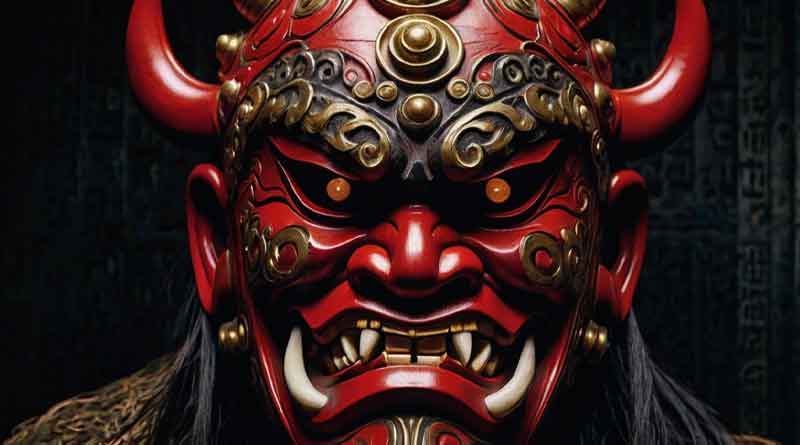
To grasp the profound oni mask meaning, we must journey back to its roots in ancient Japan. The oni are formidable supernatural creatures, often depicted as ogres, trolls, or demons with sharp claws, wild hair, and two long horns protruding from their heads. They are central figures in Japanese folklore, mythology, and religion, evolving over centuries from malevolent spirits to complex entities capable of both immense destruction and surprising benevolence.
Originally, oni were seen primarily as harbingers of disaster, embodying everything from famine and disease to natural catastrophes. They were the personification of evil, the ultimate antagonists in tales designed to warn and instruct. However, as Japanese culture evolved, so too did the perception of the oni. They became more nuanced, often serving as powerful protectors against even greater evils, or as enforcers of justice, punishing the wicked on behalf of deities.
The physical representation of the oni, and by extension the oni mask, gained significant prominence through traditional Japanese theater, particularly Noh and Kyogen plays. In these highly stylized dramatic forms, masks are not merely props; they are essential tools for character portrayal, allowing actors to transform into supernatural beings, spirits, and demons. The oni mask, with its exaggerated features, served to immediately communicate power, ferocity, and often, a touch of the grotesque. These masks were meticulously carved, often from cypress wood, and painted with striking colors, each detail contributing to the character’s emotional and symbolic weight.
Beyond the stage, oni figures played a crucial role in religious rituals and festivals. Perhaps the most famous example is Setsubun, the spring festival where beans are thrown to symbolically drive away oni (evil spirits) and invite good fortune into homes. Here, individuals often wear oni masks to embody the evil being purged, a temporary transformation that underscores the dynamic interplay between fear and protection that defines the oni.
Thus, the birth of the oni mask was not just an artistic endeavor; it was a cultural necessity. It provided a tangible form for abstract fears and hopes, a medium through which to confront the unknown, to tell stories, and to perform rituals that shaped the spiritual landscape of Japan. Understanding this deep cultural genesis is the first step in truly appreciating the powerful symbolism that radiates from every curve and color of these iconic masks.
The visual language of the oni mask is rich with symbolism, where every color, every horn, and every furrowed brow tells a story. When you look at an oni mask, you’re not just seeing a face; you’re reading a legend. Decoding these elements is crucial to understanding the full spectrum of the oni mask meaning and finding the one that resonates most deeply with you.
Each element contributes to the mask’s overall aura and the intricate tapestry of its oni mask meaning. By paying attention to these details, you can select a mask that not only appeals to your aesthetic but also authentically reflects the deeper messages you wish to convey or embrace.
The allure of the oni mask extends far beyond its striking visual appeal. For many, wearing or displaying an oni mask is a powerful act of self-expression, a statement that communicates deep-seated aspects of their personality and aspirations. The question isn’t just “What is the oni mask meaning?” but “What does choosing this mask reveal about you?”
Those drawn to the oni often possess an inner complexity, a recognition that power and vulnerability, fear and protection, can coexist. It speaks to a psychology that embraces paradox, refusing to fit neatly into conventional boxes. Here are some archetypes of personality that often resonate with the profound symbolism of the oni:
In essence, choosing an oni mask is a deeply personal statement. It’s an affirmation of your strength, your individuality, and your willingness to delve into the complex, often challenging, aspects of self. It asks: “Are you wearing the mask, or is the mask revealing a part of you?”
While the visual impact of the oni mask is undeniable, its most profound and often overlooked aspect lies in its role as a potent symbol of spiritual protection. Far from being merely figures of dread, oni have historically been invoked to ward off evil, punish malevolence, and safeguard human realms. This dualistic nature—feared yet revered—is central to understanding the true depth of the oni mask meaning.
The concept of using a fearsome image to deter greater evil is ancient and universal. In Japan, the intimidating presence of the oni was believed to be effective against lesser demons, malicious spirits, and even misfortune. This apotropaic function—the power to avert evil—is one of the most significant layers of the mask’s symbolism.
One of the most vivid examples of the oni’s protective role is its presence in the Setsubun festival, celebrated annually in early February. During Setsubun, people throw roasted soybeans (mamemaki) at individuals wearing oni masks while shouting “Oni wa soto! Fuku wa uchi!” which translates to “Demons out! Luck in!” Although the oni are symbolically “driven out,” the act itself acknowledges their power and the ritualistic necessity of confronting and banishing negative forces to invite positive ones. The mask here is a temporary vessel for the evil that needs to be expelled, a powerful, albeit symbolic, sacrifice for the community’s well-being.
Moreover, oni masks and statues are often found adorning the eaves of temples, shrines, and even traditional homes. These architectural elements, known as *onigawara* (oni roof tiles), are specifically designed to repel evil spirits and fire. The fierce visage of the oni, etched into clay or stone, stands as an eternal guardian, silently watching over the inhabitants and their property. This practical application underscores the deep-seated belief in the oni’s ability to protect.
In various forms of folklore and religious practices, specific oni are sometimes considered deities or messengers of deities, tasked with upholding moral order. They might punish wrongdoers or guide lost souls, embodying a tough love that ultimately serves a greater good. For individuals, an oni mask can therefore serve as a personal amulet, a tangible representation of a guardian spirit that watches over them, helps them confront their fears, and shields them from negative influences. It’s a reminder that even the most formidable aspects of life can possess a protective essence.
Embracing the oni as a symbol of spiritual protection is to acknowledge the full spectrum of its power—not just its capacity for destruction, but its unwavering resolve to defend against it. It’s an understanding that true protection sometimes requires a formidable front, a declaration that you are not to be trifled with, and that you carry a powerful ward against the world’s adversities. This layer of oni mask meaning transforms it from a mere decorative item into a profound spiritual ally.
The journey of the oni mask from ancient folklore and traditional theater to a global icon of contemporary culture is a testament to its enduring power and universal appeal. Today, the oni mask meaning resonates deeply within diverse subcultures, finding new life in streetwear, high fashion, body art, and even digital entertainment. This modern resurgence validates its status as a timeless symbol, celebrated for both its aesthetic impact and its rich historical roots.
In the vibrant world of streetwear and fashion, the oni mask has become a powerful motif. Designers and enthusiasts alike are drawn to its striking imagery, integrating its fierce visage into hoodies, t-shirts, sneakers, and accessories. It’s a statement piece that immediately conveys an edge, a connection to Japanese aesthetics, and an embrace of a powerful, rebellious spirit. Brands leverage the mask’s instantly recognizable features to create bold, avant-garde designs that appeal to a demographic that values individuality, cultural depth, and a touch of the dramatic. Wearing an oni-inspired garment isn’t just about fashion; it’s about signaling an affiliation with a particular mindset—one that is strong, independent, and perhaps a little enigmatic.
Perhaps nowhere is the modern embrace of the oni mask meaning more permanent and personal than in the realm of tattoos. Oni mask tattoos are incredibly popular, chosen by individuals who want to embody its protective qualities, its fierce strength, or its representation of overcoming personal demons. A red oni tattoo might symbolize passion and a fiery spirit, while a blue one could represent controlled power or introspection. Often combined with other traditional Japanese motifs like cherry blossoms, waves, or samurai, these tattoos create complex narratives on the skin, transforming the wearer into a walking canvas of cultural heritage and personal mythology. The decision to ink an oni mask is a significant one, reflecting a deep connection to its symbolic weight and a desire to carry its power perpetually.
Beyond fashion and tattoos, the oni mask appears prominently in popular media, from video games and anime to comics and movies. Its intimidating yet intriguing appearance makes it a perfect character design element for villains, anti-heroes, or even protective spirits. This exposure introduces the mask to new generations and global audiences, ensuring its cultural relevance continues to grow. While sometimes stripped of its deepest historical context in popular depictions, its core attributes of power, otherworldliness, and intensity remain intact, fueling curiosity and driving more people to investigate the authentic oni mask meaning.
This widespread adoption in contemporary culture doesn’t diminish the mask’s traditional significance; rather, it amplifies it. It demonstrates how ancient symbols can transcend time and geography, adapting to new contexts while retaining their core essence. For those who choose to incorporate the oni mask into their modern lives, whether through clothing, art, or personal symbols, it is a way to bridge the past and the present, to carry forward a powerful legacy, and to express a unique identity in an ever-evolving world.
After exploring the profound oni mask meaning, you might feel a compelling desire to own one—not just a decorative piece, but an authentic item that truly embodies its spiritual and cultural significance. The market is flooded with various options, from cheap plastic souvenirs to exquisite handcrafted masterpieces. Navigating this landscape requires discernment to ensure you acquire a mask that respects the tradition it represents and truly resonates with your personal connection to its symbolism.
When you invest in an authentic oni mask, you’re not just buying an object; you’re acquiring a piece of history, a work of art, and a powerful symbol imbued with centuries of meaning. Choose the mask that feels right when you hold it, the one that speaks to your soul and truly aligns with the unique oni mask meaning you wish to bring into your life.