
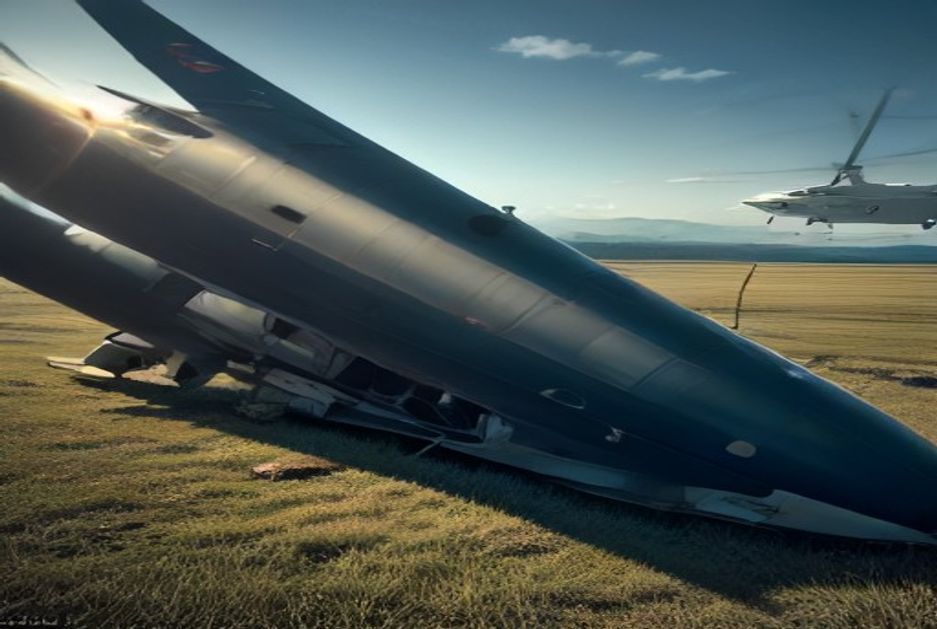

The small Cessna 150, a single‑engine aircraft commonly used for private flight training, collided mid‑air with a Bell 407 helicopter belonging to the Pennsylvania State Police during a scheduled training maneuver. The impact resulted in the death of the Cessna’s pilot and left two police officers aboard the helicopter with injuries that required medical attention.
State police aviation units across the United States routinely conduct low‑altitude flight drills to maintain proficiency in navigation, communication, and emergency response. The Bell 407, a light turbine helicopter, is a standard platform for many law‑enforcement agencies because of its speed, maneuverability, and capacity to carry a crew and equipment. Training flights often involve coordination with nearby civilian aircraft, especially in airspace surrounding regional airports where both military and civilian traffic share the same corridors.
Federal aviation regulations require that pilots of both manned aircraft and helicopters be aware of each other’s presence, especially when operating in the same training zone. The National Transportation Safety Board typically investigates such collisions to determine whether procedural failures, miscommunication, or inadequate see‑and‑avoid practices contributed to the accident. While the investigation is ongoing, the incident underscores the challenges of integrating civilian flight training activities with law‑enforcement aerial operations.
Pennsylvania’s state police aviation program has a long history of supporting ground units with aerial surveillance, search and rescue, and transport of personnel. The Bell 407 used in this exercise is equipped with advanced sensors and communication gear, allowing officers to conduct night operations and coordinate with other emergency services. The loss of a pilot in such a context highlights the inherent risks that accompany even routine training flights, as the proximity of smaller aircraft can reduce reaction times for larger, more complex platforms.
Safety protocols for mixed‑traffic training exercises generally include predefined flight paths, mandatory radio check‑ins, and visual look‑outs. In busy airspace, air traffic controllers may be tasked with separating civilian traffic from police helicopters, but the dynamic nature of training maneuvers can create moments where standard separation standards are difficult to maintain. The tragic outcome in this case may prompt a review of those protocols to ensure that future exercises can be conducted with reduced risk to both crew members and the public.
Beyond the immediate human cost, the incident carries broader implications for aviation safety policy. It serves as a reminder that the integration of civilian flight schools, recreational pilots, and law‑enforcement aviation units demands rigorous coordination and adherence to safety standards. As investigators piece together the factors leading to the crash, the aviation community and police agencies alike will likely consider adjustments to training procedures, airspace management, and the equipment used to enhance survivability in the event of an unexpected collision.